We Were Young
1961
No user ratings available yet
Representation score: 3.9 out of 10
Representation Score
Fair
1964
Director
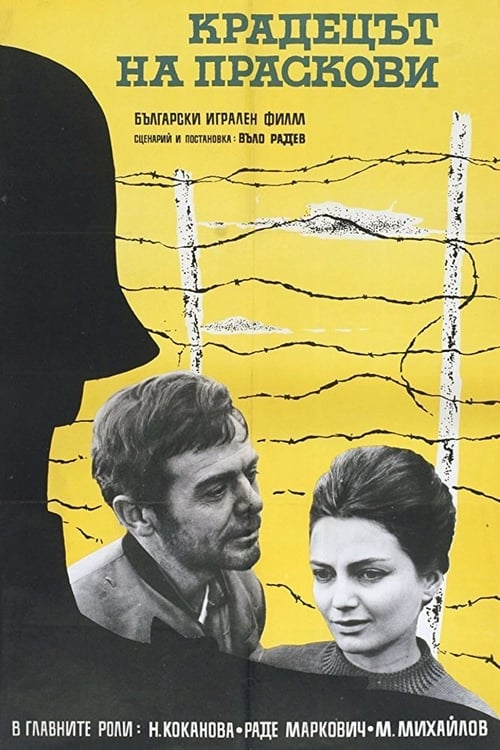
Vulo Radev
Runtime
84 minutes
Average Rating
No ratings yetNew Showbiz Analysis
The Peach Thief is a humanistic period drama that emphasizes individual freedom over rigid wartime or marital hierarchies. It successfully uses a cross-border ethnic dynamic to highlight human connection over nationalist divisions. While the film challenges traditional gender roles by giving the female protagonist romantic autonomy, it lacks visible LGBTQ+ representation. The narrative remains centered on a central heterosexual romance. Ultimately, the film critiques institutional boundaries but does not delve deeply into broader multi-layered themes found in contemporary cinema.
Category Breakdown
The film focuses on a romantic relationship between a warden's wife and a Serbian prisoner. There is no clear indication of LGBTQ+ identities or non-straight relationships in the plot.
The story emphasizes the emotional independence of the female protagonist. She chooses a prisoner over her husband, challenging traditional gender roles and marital expectations.
The film depicts a cross-border relationship between Bulgarians and Serbians. This portrayal of intimacy between different nationalities challenges narrow nationalist views during World War I.
The movie highlights the conflict between institutional authority and personal morality. It critiques the strictness of wartime institutions by showing a romance set in a prisoner-of-war camp.
There is no information about the portrayal of physical or neurodivergent disabilities in the film's synopsis or historical records.
Present on Screen
Limited or Absent
Official Synopsis
The wife of a Bulgarian POW camp's warden falls in love with a Serbian prisoner at the end of World War I.
1961
1958
1927
2002
1993
2011
2006
1962
No reviews yet. Be the first to share your thoughts on this movie!
Use the rating form above to leave a star rating and optional review.