
Gigolo
1926
No user ratings available yet
Diversity score: 2.3 out of 10
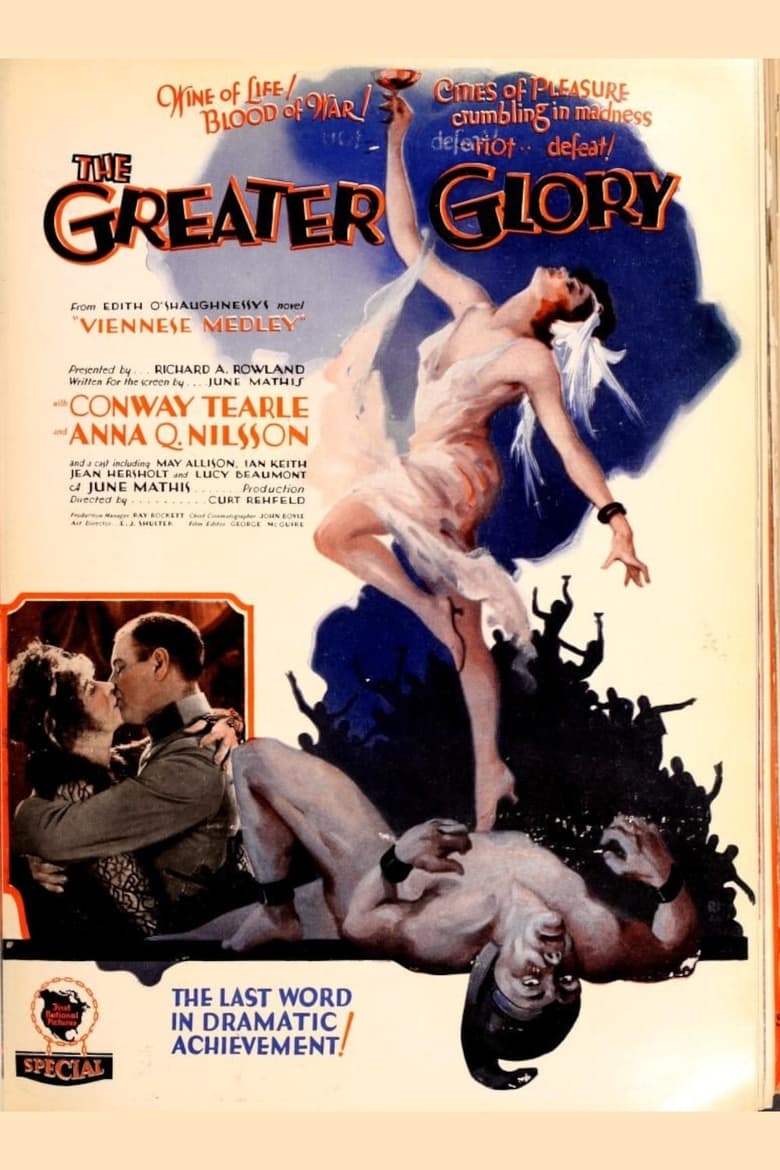
1926
PassedDirector
Curt Rehfeld
Runtime
110 minutes
Average Rating
No ratings yetSynopsis
Fanny von Berg's engagement to Count Maxim von Hurtig is suddenly broken off and she is denounced by her family for a suspected indiscretion. When they are reduced to starvation by the war, the family members accept her earnings without acknowledging the source. As the hostess of a Viennese night club, Fanny becomes the mistress of a rich war profiteer. The Count, loving her still, prevents her from making further sacrifices for her or his people, and they find ultimate happiness in the prospect of a new life together. A lost film.
Overall Score
Limited
Category Breakdown
LGBTQ+ Representation
The film lacks any evidence of non-cisnormative identities or same-sex intimacy. The story focuses entirely on a heterosexual romance between Fanny and the Count.
Gender Representation
Fanny demonstrates notable economic agency by managing a nightclub to support her family. However, her ultimate salvation is tied to a traditional romantic resolution with a male lead.
Racial & Ethnic Diversity
The narrative centers on a homogeneous, white, upper-class European aristocracy. There is no indication of racial blending or intersectional casting within the Viennese setting.
Religious & Cultural Diversity
The film critiques hypocritical social institutions through its depiction of war profiteering and family hypocrisy. It ultimately prioritizes personal romantic happiness over systemic social critique.
Disability Representation
There is no information regarding the depiction of physical or neurodivergent disabilities in this work.
Strengths
Areas for Improvement
AI Analysis
The film operates as a period-specific melodrama, adhering to the traditionalist narrative frameworks of the 1920s. While the protagonist shows individual resilience, the film lacks intersectional depth. Its strengths lie in the portrayal of female economic autonomy, yet it remains limited by its homogeneous social focus and reliance on aristocratic tropes. The story prioritizes romantic resolution over broader social or cultural critique.
1926
1927
1930
1944
1931
1927
1917
1919

1964
2006
No reviews yet. Be the first to share your thoughts on this movie!
Use the rating form above to leave a star rating and optional review.