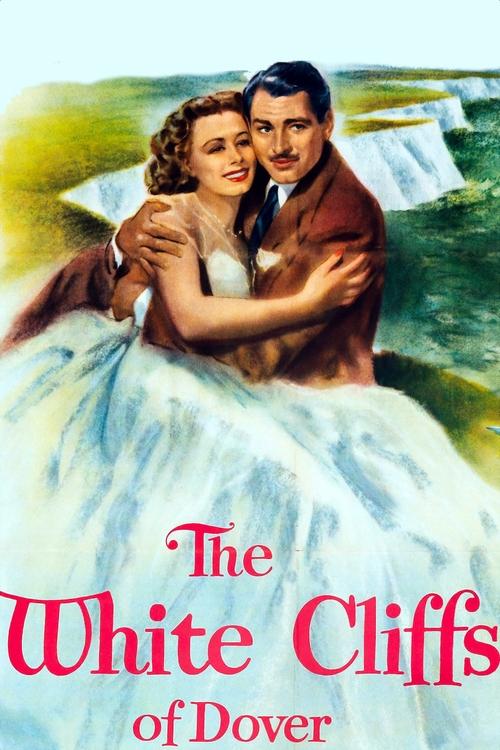
The White Cliffs of Dover
1944
No user ratings available yet
Representation score: 0.7 out of 10

Representation Score
Minimal
1933
NRDirector
John Ford
Runtime
96 minutes
Average Rating
No ratings yetNew Showbiz Analysis
Pilgrimage is a traditional drama that reinforces established social, religious, and gender hierarchies. It functions as a stabilizer of conventional societal norms rather than a disruptor of them. The film relies heavily on patriarchal archetypes and Western mythologies. By prioritizing communal stability and traditional values, the narrative avoids complex multi-layered issues and maintains a singular, homogeneous worldview. Ultimately, the production reflects the cinematic norms of its time, focusing on duty and domesticity while excluding underrepresented identities.
Category Breakdown
The film operates within a strictly heterosexual and cisgender framework. There is no presence of LGBTQ+ identities or same-sex relationships.
Gender roles adhere to conventional expectations of the era. Women have limited ability to act, confined to domestic manipulation, while masculinity is defined by wartime duty.
The cast is predominantly white and Anglo-Saxon. The film presents a homogeneous social environment without diverse ethnic representation.
The story centers on religious devotion and the sanctity of the family. It promotes a singular moral perspective tied to faith and sacrifice.
There are no depictions of physical, neurodivergent, or mental health disabilities. Characters are presented through a lens of standard physical capability.
Present on Screen
Limited or Absent
Official Synopsis
A mother from Arkansas is very possessive of her grown son. To prevent him from getting married she has him drafted into WW I.
1944
1958

1926

1932

1927

1925

1917

1927
No reviews yet. Be the first to share your thoughts on this movie!
Use the rating form above to leave a star rating and optional review.