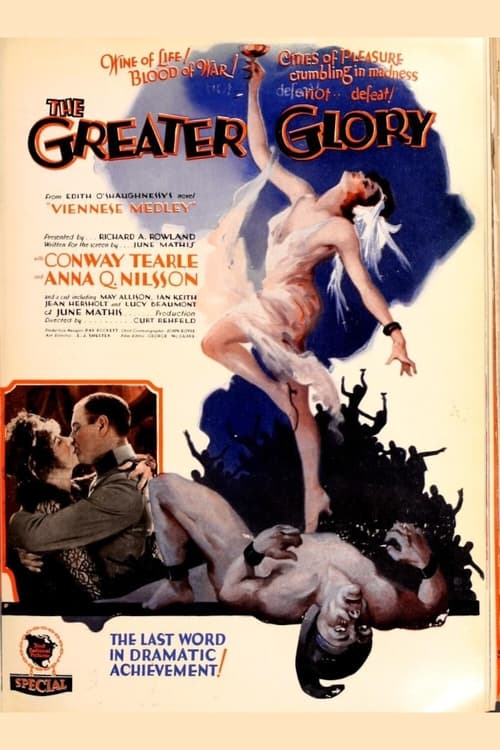
The Greater Glory
1926
No user ratings available yet
Diversity score: 3.0 out of 10
1930
PassedDirector
William C. deMille
Runtime
70 minutes
Average Rating
No ratings yetSynopsis
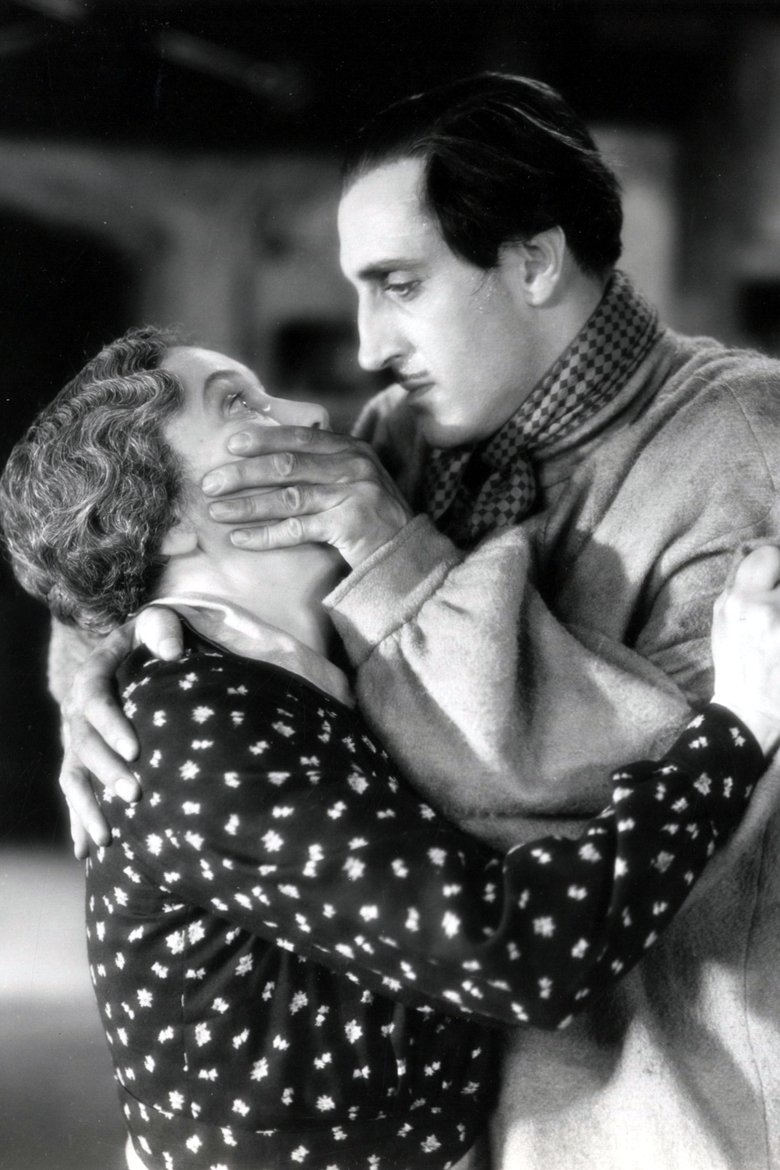
Parisot, a French spy in World War 1, returns home on a secret mission to visit his mother, and finds that Victoria, the wife of a German general, is billeted in the Parisot home while waiting to see her husband. Victoria discovers that Paul is a spy and, although fascinated by him, plans to reveal his identity to her husband. When the latter is unable to visit her, she attempts to go to the German army headquarters.
Overall Score
Limited
Category Breakdown
LGBTQ+ Representation
The film lacks explicit LGBTQ+ characters or non-heteronormative identities. The story centers on romantic and espionage tensions within traditional heteronormative structures.
Gender Representation
Victoria serves as a central driver of the plot rather than a passive observer. Her ability to dictate the protagonist's fate provides significant narrative agency.
Racial & Ethnic Diversity
The setting focuses on French and German characters during World War I. The cast appears to reflect the homogeneous Eurocentric demographic norms of 1930s cinema.
Religious & Cultural Diversity
The narrative explores the breakdown of traditional loyalties and subjective morality during wartime. It remains rooted in a traditional Western dramatic framework.
Disability Representation
There is no mention of characters portraying physical or neurodivergent disabilities within the story.
Strengths
Areas for Improvement
AI Analysis
This wartime drama functions as a conventional period piece, deeply embedded in the cinematic hierarchies of the early 1930s. While it avoids the broader demographic breadth seen in modern cinema, it offers more than a simple melodrama through its character dynamics. The film's strength lies in its subversion of female archetypes. Victoria is a character of consequence, possessing the power to influence the protagonist's survival through her own independent decisions. However, the work remains limited by its era. The focus on European conflict and traditional romantic structures results in a lack of intersectional complexity and racial diversity.
1926
1931
1927

1926
1964
1927
1919
1940
1933
1917
No reviews yet. Be the first to share your thoughts on this movie!
Use the rating form above to leave a star rating and optional review.