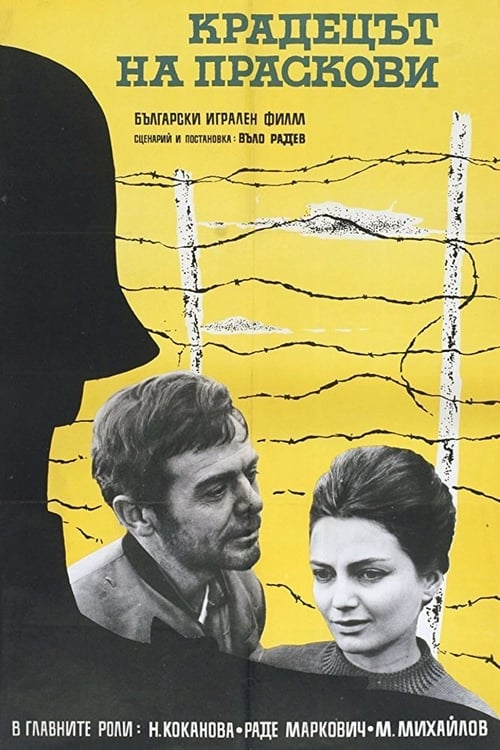
The Peach Thief
1964
No user ratings available yet
Representation score: 5.0 out of 10
Representation Score
Minimal
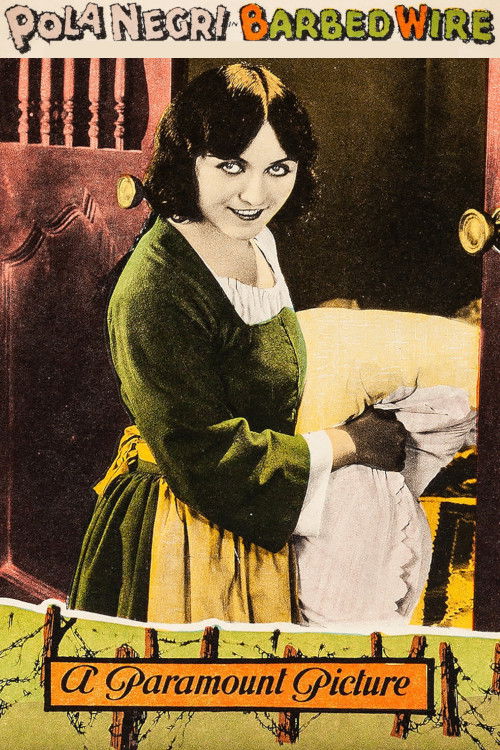
1927
NRDirector
Rowland V. Lee
Runtime
67 minutes
Average Rating
No ratings yetNew Showbiz Analysis
Barbed Wire is a period-specific wartime drama that emphasizes traditional romantic and nationalist themes. While it features a female protagonist with emotional involvement, the film adheres to the rigid social and racial hierarchies of the 1920s. The narrative centers on the tension between French and German identities, reinforcing a Eurocentric worldview. It lacks the complexity needed to challenge the era's social structures. Ultimately, the film serves as a conventional character study of geopolitical conflict, offering little in terms of progressive representation or social disruption.
Category Breakdown
The film portrays a traditional wartime romance between a French woman and a German prisoner. It does not include any non-straight or non-cisgender identities or narratives that challenge the idea that everyone is straight or cisgender.
Alice Terry plays a central role with significant emotional involvement. However, the plot sticks to romantic clichés and male-dominated military structures.
The setting reflects a Eurocentric focus typical of the time. The story delves into French and German tensions but keeps a homogeneous racial and ethnic makeup.
The narrative examines personal morality against wartime constraints. It follows traditional Western dramatic structures without challenging institutional or Western authority.
There is no depiction of physical or neurodivergent disabilities in the film's storyline.
Present on Screen
Limited or Absent
Official Synopsis
During WWI, a French farm girl and a German P.O.W. fall in love.
1964
1958
1993
1925
1917

1932
1927
1974
No reviews yet. Be the first to share your thoughts on this movie!
Use the rating form above to leave a star rating and optional review.