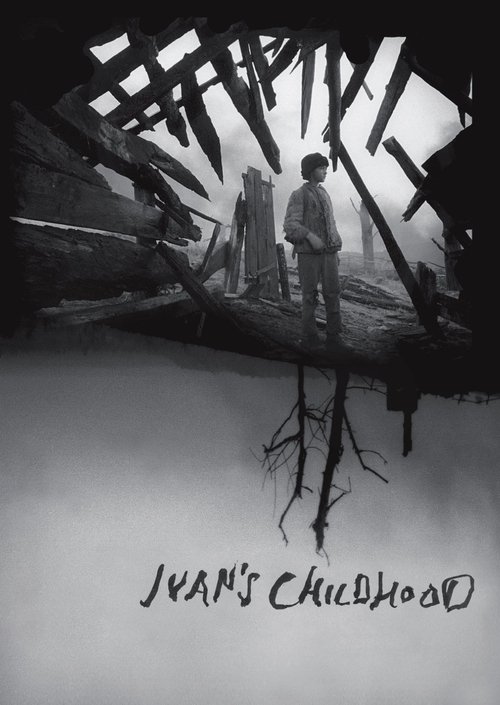
Ivan's Childhood
1962
No user ratings available yet
Representation score: 4.0 out of 10
Representation Score
Good
1970
Director
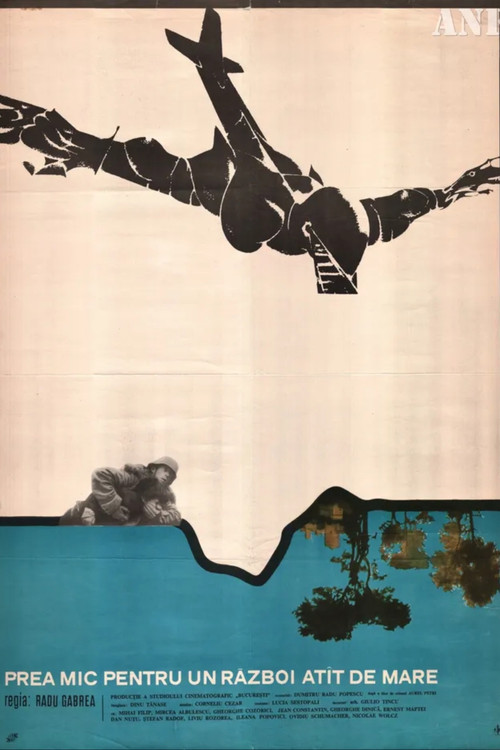
Radu Gabrea
Runtime
77 minutes
Average Rating
No ratings yetNew Showbiz Analysis
Radu Gabrea’s drama shifts the focus of war cinema from state-driven heroism to the personal survival of an orphaned boy. By centering the narrative on a child searching for a friend, the film emphasizes human vulnerability over military glory. While the film offers a nuanced, character-driven look at systemic upheaval, it lacks modern characters who reflect more than one aspect of diversity. The setting and era suggest a reliance on traditional social structures and a homogeneous demographic consistent with the regional conflict. Ultimately, the film succeeds as a humanistic exploration of loss and innocence. It moves away from rigid, celebratory military clichés to provide a more empathetic view of how war disrupts the individual and the family unit.
Category Breakdown
The film does not include any non-straight relationships or same-sex intimacy, which is typical for its 1970 production context.
The story revolves around an orphaned boy and a military regiment, creating a male-dominated environment with no evidence of women taking leadership roles or challenging traditional gender hierarchies.
The cast likely reflects the specific ethnic makeup of the Eastern European theater, focusing on localized identities rather than a globalized or color-blind casting approach.
The narrative avoids traditional heroic war clichés by focusing on an orphan's subjective experience, prioritizing emotional truth and individual survival over patriotic or institutional ideals.
It is unclear if the characters experience permanent physical or neurodivergent disabilities. While war often involves physical trauma, there is no evidence of characters with disabilities exercising high ability to act.
Present on Screen
Limited or Absent
Official Synopsis
Inspired by true events, an orphaned boy raised by the regiment goes to the front in search of his best friend and faces terrifying experiences.
1962
1977
1995
1978
1967
1974
1982

1980
No reviews yet. Be the first to share your thoughts on this movie!
Use the rating form above to leave a star rating and optional review.