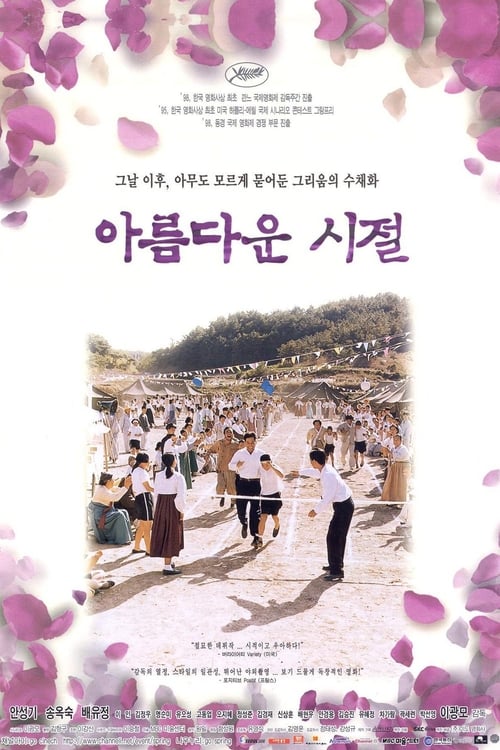
Spring in My Hometown
1998
No user ratings available yet
Representation score: 7.5 out of 10

Representation Score
Fair
2016
Director
Lee Han
Runtime
124 minutes
Average Rating
No ratings yetNew Showbiz Analysis
A Melody to Remember is a traditionalist biographical drama that prioritizes emotional intimacy over social critique. It functions as a character study of resilience set against the rigid historical structures of colonial-era Korea. The film excels at portraying ethnic ability to act through cultural expression, yet it remains tethered to classical romantic clichés. It does not seek to challenge the social hierarchies or gender norms of its period. Ultimately, the narrative uses historical hardship as a backdrop for personal perseverance. It favors historical authenticity and tragic realism over contemporary progressive frameworks.
Category Breakdown
The film follows a strictly straight-centered framework, focusing entirely on the romantic relationship and marriage between the central male and female leads.
Gender dynamics reflect the social constraints of the era. The narrative emphasizes traditional roles, highlighting the wife's resilience within the domestic sphere during a crisis.
The story centers on Korean identity during the Japanese colonial period. It uses music and song to assert ethnic ability to act against a dominant colonial backdrop.
The film emphasizes traditional themes of devotion and family sanctity. It avoids secularist themes, opting for a classicist portrayal of romantic and familial loyalty.
A central arc involves the protagonist's physical decline due to illness. The portrayal focuses on the realistic, harrowing impact of chronic illness on the family.
Present on Screen
Limited or Absent
Official Synopsis
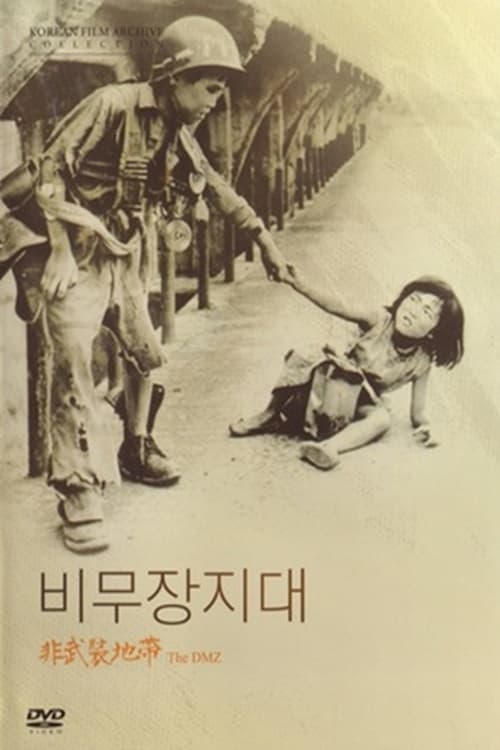
Second Lieutenant Han Sang-yeol leads his platoon during the Korean War in the early 1950s. He carries emotional scars and pain within. So when he meets some children from a choir, who have lost everything in the war, Sang-yeol is deeply moved and tries to protect to them.
1998
1962

2017
1956
1965
1961

2018

2013
No reviews yet. Be the first to share your thoughts on this movie!
Use the rating form above to leave a star rating and optional review.