Broken English
1981
No user ratings available yet
Representation score: 6.4 out of 10
Representation Score
Fair
1985
Not RatedDirector
Satyajit Ray
Runtime
140 minutes
Average Rating
No ratings yetNew Showbiz Analysis
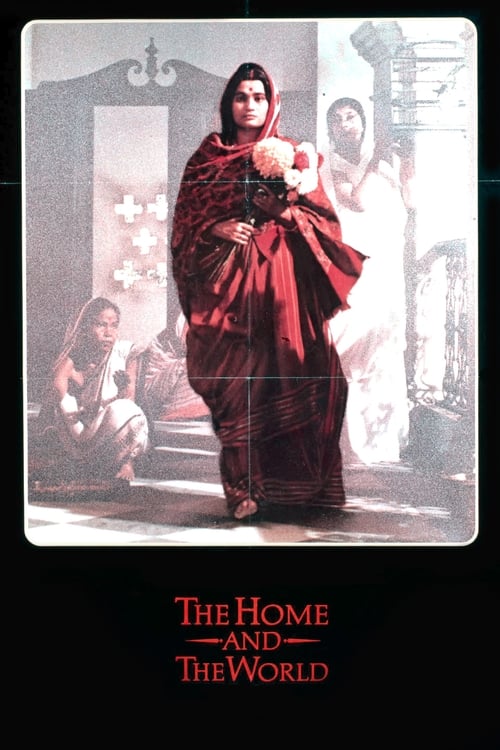
Satyajit Ray’s drama effectively captures the complexities of the post-colonial experience and indigenous identity. By focusing on the intellectual and political ability to act of the colonized, it challenges Western-centric views during the British Raj. The film stands out for its nuanced portrayal of female empowerment. Bimala’s journey from a traditional wife to a woman asserting her own subjective truth offers a sophisticated critique of historical domestic hierarchies. However, the film does not include representation of LGBTQ+ identities or disabilities. The narrative primarily revolves around the central characters and the broader anti-colonial political struggle.
Category Breakdown
The film focuses on traditional heterosexual relationships and political tensions. There is no depiction of non-binary genders or same-sex relationships.
Bimala’s evolving role challenges traditional gender roles. She transitions from a passive position to becoming the main driver of the film’s emotional and moral climax.
Set in colonial East Bengal, the film highlights the intellectual and political ability to act of the indigenous population. It features a predominantly Indian cast.
The film critiques Western influence through the lens of the Swadeshi movement. It portrays political radicalism and the breakdown of traditional structures as integral to national identity.
There are no prominent depictions of visible or invisible disabilities that serve as central narrative drivers.
Present on Screen
Limited or Absent
Official Synopsis
In the early 1900s, Nikhilesh, a wealthy Westernized Hindu in colonial East Bengal, feels compelled to test the love of his wife, Bimala. He introduces her to his friend Sandip, a politician agitating against British rule, and Bimala is equally taken with both Sandip's anti-colonial fervor and the man himself. Personal and political tensions subsequently flare as the now assertive Bimala has to make a crucial decision.
1981

1964
1977
1963
1975
1954
1962

1951
No reviews yet. Be the first to share your thoughts on this movie!
Use the rating form above to leave a star rating and optional review.