
The World of Apu
1959
No user ratings available yet
Representation score: 6.6 out of 10
Representation Score
Fair
1962
Director
Satyajit Ray
Runtime
102 minutes
Average Rating
No ratings yetNew Showbiz Analysis
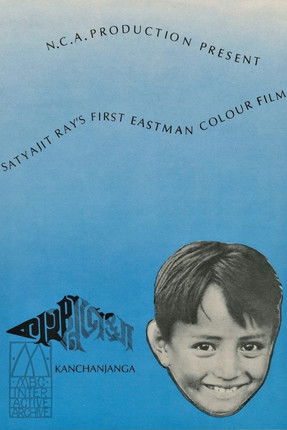
Satyajit Ray’s Kanchenjungha is a nuanced exploration of a postcolonial society in transition. It moves away from monolithic family portraits to examine individual ability to act and evolving social hierarchies within the Indian upper-middle class. The film's strength lies in its intellectual integrity and its refusal to conform to external cultural norms. By breaking down the domestic sphere, it challenges the stability of traditional social structures. However, the film does not include representations of modern identity-politics markers, such as LGBTQ+ identities or disability, which limits its coverage in these areas.
Category Breakdown
The film does not include any LGBTQ+ characters or identities outside of traditional heterosexual relationships. The story focuses solely on conventional family dynamics.
Women in the film are portrayed as complex individuals navigating societal pressures. They engage in meaningful conversations about their lives, passing the Bechdel test.
The movie features a Bengali cast and delves into specific Indian identities. It avoids a Western-centric viewpoint by emphasizing a genuine, local perspective.
Ray critiques rigid social structures and class pretensions. The film portrays the family unit through a lens of tension and moral ambiguity.
There are no prominent depictions of physical or neurodivergent disabilities used as central plot devices.
Present on Screen
Limited or Absent
Official Synopsis
Played out in real time, several complex family dramas intersect in the landscape of the Himalayan foothills, allowing the Bengali auteur to examine the class and generational differences of postcolonial India while celebrating the hopes of a society in transition.
1959
1956

1973

1951

1995

2005

1973
1955
No reviews yet. Be the first to share your thoughts on this movie!
Use the rating form above to leave a star rating and optional review.