
The Hero
1966
No user ratings available yet
Representation score: 4.4 out of 10
Representation Score
Limited
1991
Not RatedDirector
Satyajit Ray
Runtime
114 minutes
Average Rating
No ratings yetNew Showbiz Analysis
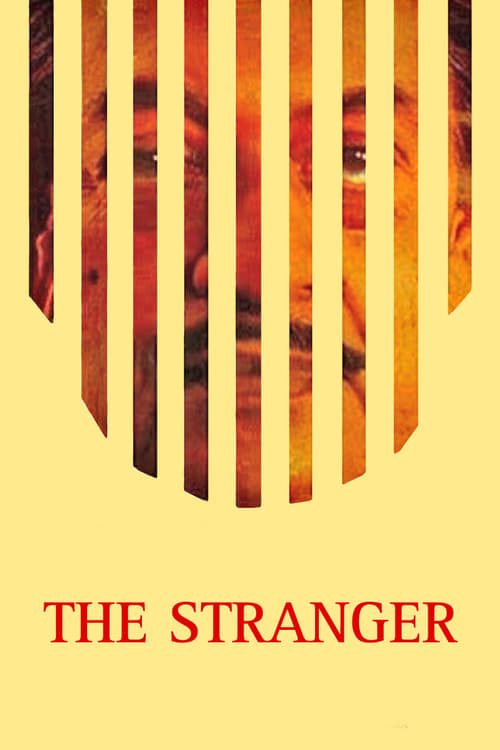
Satyajit Ray’s film is a sophisticated meditation on the tension between social structures and the nomadic individual. It succeeds by rejecting Western-centric narrative norms and offering a nuanced critique of social insularity through a post-colonial lens. The strength of the work lies in its cultural depth and its ability to frame social non-conformity as a philosophical challenge. It uses the stranger to deconstruct the rigid, localized hierarchies of a Bengali household. However, the film lacks engagement with modern identity politics. The narrative remains constrained by the era's social structures, particularly regarding gender roles and the absence of LGBTQ+ representation.
Category Breakdown
The film does not include any explicit LGBTQ+ characters or narratives. The story revolves around the interactions between a visiting stranger and the established family unit.
Female characters primarily take on traditional domestic roles within the middle-class setting. While avoiding stereotypes, the story focuses on the male protagonist and household patriarchs.
The film offers an authentic depiction of Bengali identity. It avoids a Western-centric perspective by centering a localized, culturally specific worldview.
The narrative critiques conventional Westernized middle-class values. It uses the stranger's worldly wisdom to challenge the perceived superiority of established social institutions and capitalism.
There is no evidence of visible or invisible disabilities being used as central plot devices or character traits.
Present on Screen
Limited or Absent
Official Synopsis
A well-off family is paid an unexpected, and rather unwanted, visit by a man claiming to be the woman's long lost uncle. The initial suspicion with which they greet the man slowly dissolves as he regales them with stories of his travels, tales that are at odds with their conventional middle class perspective on the world.
1966
1963
1971
1959

1999

2004

1994

2005
No reviews yet. Be the first to share your thoughts on this movie!
Use the rating form above to leave a star rating and optional review.