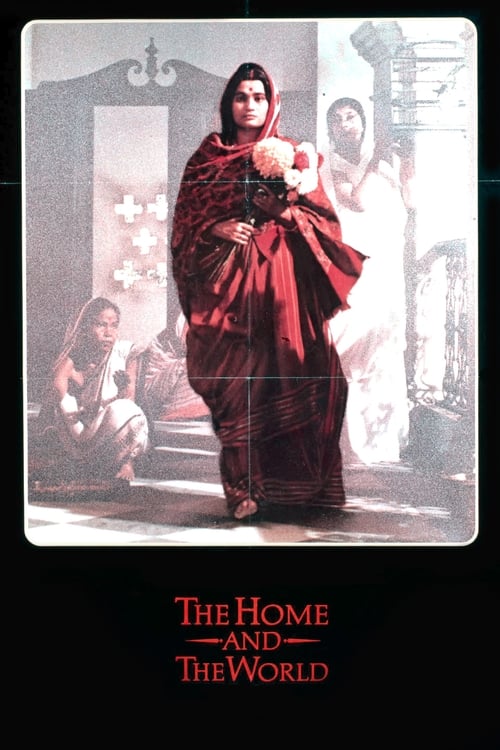
The Home and the World
1985
No user ratings available yet
Representation score: 5.8 out of 10
Representation Score
Limited
1977
Not RatedDirector
Satyajit Ray
Runtime
129 minutes
Average Rating
No ratings yetNew Showbiz Analysis
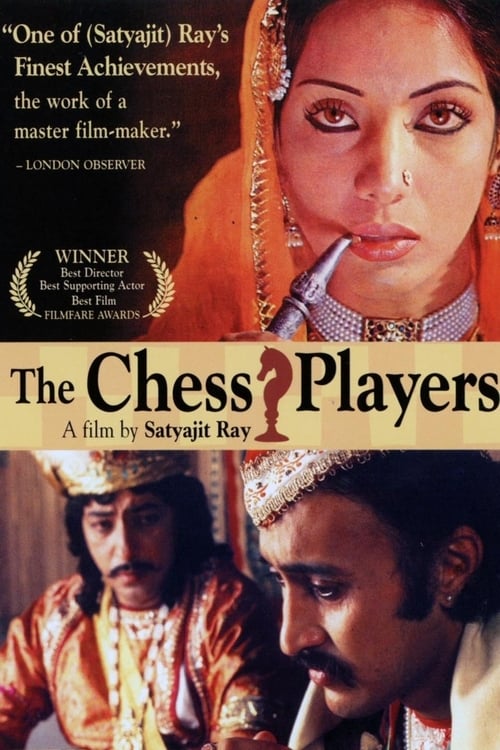
Satyajit Ray’s film offers a critical perspective on the impact of British colonialism on the Indian nobility. It avoids typical heroic narratives and instead examines the breakdown of traditional institutions due to systemic issues and colonial pressures. The film highlights the Indian experience by focusing on the tension between local elites and the British colonial administration. While the film provides a nuanced look at the erosion of sovereignty, its adherence to the social norms of the period limits its representation of diverse identities. The narrative is dominated by male characters, and there is no representation of LGBTQ+ identities or significant female roles.
Category Breakdown
The film adheres closely to the social norms of its time and does not include any representation of non-traditional gender or sexual identities.
The story focuses on male characters who drive the plot, while women are confined to domestic roles.
The film features a diverse cast representing Indian nobility and successfully captures the power dynamics between Indian elites and the British military.
The movie critiques Western expansion through the lens of colonialism, using the protagonists' interest in chess to symbolize cultural estrangement.
There are no central depictions of physical or cognitive disabilities in the film.
Present on Screen
Limited or Absent
Official Synopsis
In the year 1856, Nawab Wajid Ali Shah is the King of Awadh, one of the last independent kingdoms of India. The British intend to control this rich land and send General Outram to clear way for an annexation. Pressure is mounting amidst intrigue and political maneuvers, but the Nawab whiles away his time in pursuit of pleasure and religious practice. The court is of no help either — noblemen Mir and Mirza ignore all duties and spend their days playing endless games of chess.
1985

1954
1999
1984
1962
1989
1991
2017
No reviews yet. Be the first to share your thoughts on this movie!
Use the rating form above to leave a star rating and optional review.