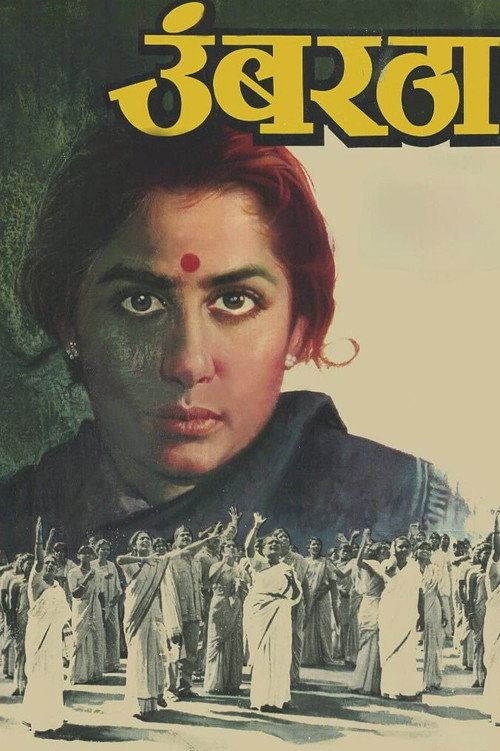
Umbartha
1982
No user ratings available yet
Representation score: 7.8 out of 10

Representation Score
Fair
1963
Not RatedDirector
Satyajit Ray
Runtime
136 minutes
Average Rating
No ratings yetNew Showbiz Analysis
Satyajit Ray’s drama is a sophisticated exploration of shifting social structures in post-independence Calcutta. It centers on a woman’s transition from the private domestic sphere to the public economic one, challenging patriarchal hierarchies through the lens of modern capitalism. The film excels in its portrayal of gendered labor and the deconstruction of established social norms. By linking Arati's journey to the changing urban landscape, Ray creates a nuanced look at how economic necessity drives individual autonomy. While the film provides deep cultural and gendered insights, it remains strictly focused on heterosexual relationships and lacks representation of LGBTQ+ identities or diverse racial backgrounds beyond the Anglo-Indian character.
Category Breakdown
The film focuses solely on heterosexual relationships and does not include any non-cisgender identities or same-sex narratives.
Arati transforms from a submissive housewife to a confident saleswoman, challenging traditional gender roles. Her journey highlights the impact of economic changes on domestic power dynamics.
The story is set within the Bengali middle class, with the Anglo-Indian character Edith adding a layer of post-colonial complexity and a cosmopolitan influence.
The narrative critiques traditional societal structures through the lens of modern urban life. It portrays the family unit as strained by the pressures of capitalist shifts.
There are no central depictions of physical or neurodivergent disabilities in the narrative.
Present on Screen
Limited or Absent
Official Synopsis
Arati takes a job as a door-to-door saleswoman in Calcutta's wealthy neighbourhoods, in defiance of her traditionally-minded husband, Subrata, and his live-in parents. Emulating her Anglo-Indian friend Edith, who speaks equal to the men she encounters on the job, Arati quickly becomes her firm's top salesperson. When Subrata loses his job, the power dynamic begins to shift.
1982

1959

1976

1955
1971

2005
1970

1954
No reviews yet. Be the first to share your thoughts on this movie!
Use the rating form above to leave a star rating and optional review.