
The Hero
1966
No user ratings available yet
Diversity score: 6.0 out of 10
1963
Director
James Ivory
Runtime
100 minutes
Average Rating
No ratings yetSynopsis
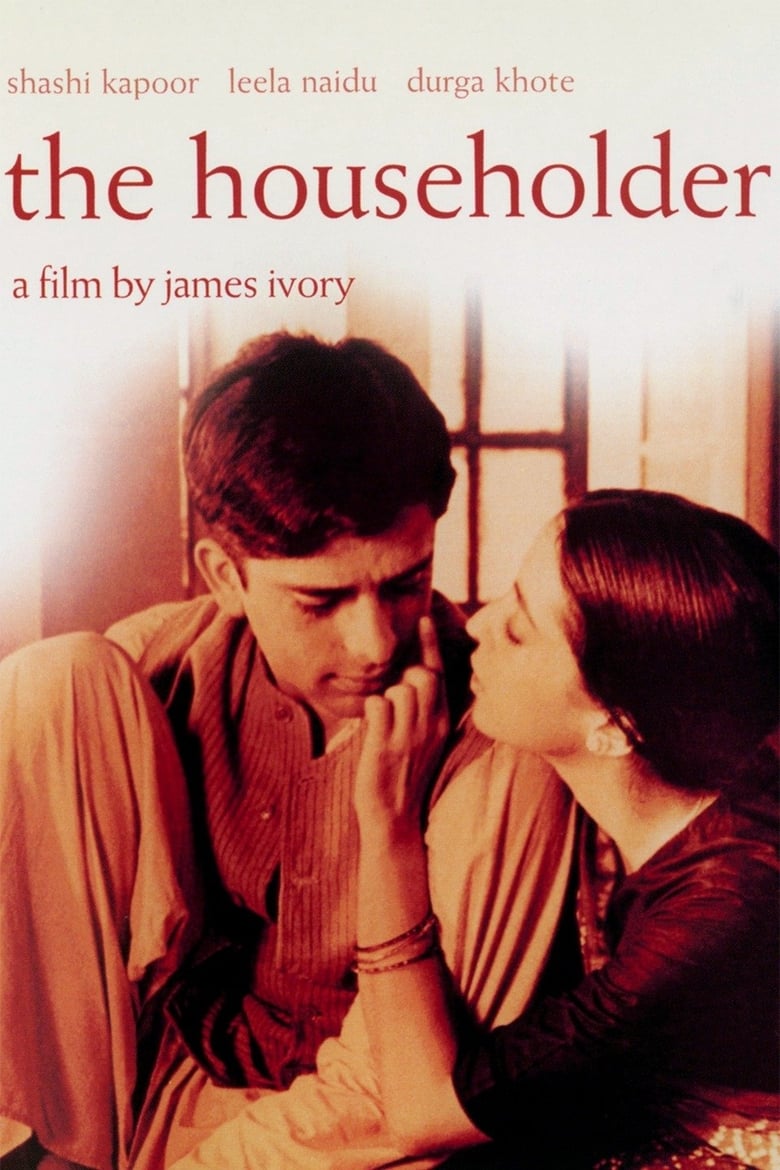
Follows the fortunes of a young teacher, Prem, who isn't ready to take on the responsibilities of his arranged marriage.
Overall Score
Fair
Category Breakdown
LGBTQ+ Representation
The film lacks LGBTQ+ characters or non-heteronormative identities. The story focuses entirely on the binary dynamics of a traditional, heteronormative arranged marriage.
Gender Representation
The narrative explores gendered expectations by centering on a protagonist's struggle within a patriarchal framework. It highlights the friction and alienation caused by rigid domestic roles.
Racial & Ethnic Diversity
The film features an interracial marriage between a Westerner and an Indian man. This placement of a non-Anglo-Saxon majority cast disrupts typical mid-century cinematic norms.
Religious & Cultural Diversity
The story presents a clash between Western individualism and Eastern familial duties without asserting superiority. It explores the tension between communal duty and personal agency.
Disability Representation
There are no significant depictions of visible or invisible disabilities within the narrative.
Strengths
Areas for Improvement
AI Analysis
The Householder stands out for its era-specific disruption of Western-centric storytelling. By centering an interracial marriage and an Indian cultural landscape, it moves away from the homogeneous perspectives common in 1963 cinema. The film uses this intercultural union to examine the friction between individual identity and institutional tradition. While the film lacks LGBTQ+ representation and disability narratives, it offers a sophisticated study of social hierarchies. It avoids presenting an idealized version of either culture, instead focusing on how rigid systems—whether Western or Eastern—constrain human agency. Ultimately, the film's strength lies in its nuanced approach to cultural integration and the complexities of the domestic unit.
1966

1965
1985

1972
1991
1974

2013
1962
1972

2007
1971

1963
No reviews yet. Be the first to share your thoughts on this movie!
Use the rating form above to leave a star rating and optional review.