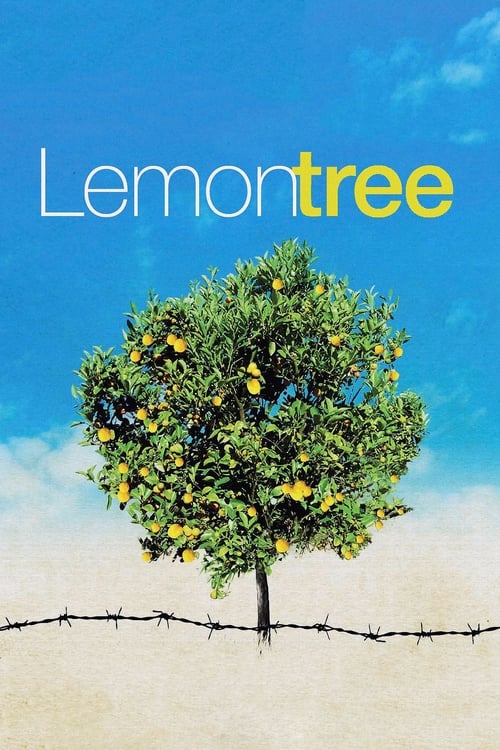
Lemon Tree
2008
No user ratings available yet
Representation score: 3.9 out of 10
Representation Score
Fair
2004
Director
Eran Riklis
Runtime
97 minutes
Average Rating
No ratings yetNew Showbiz Analysis
The film is a sophisticated exploration of identity within contested spaces. It succeeds by framing the individual as a site of resistance against the oppressive structures of nationalism and border enforcement. While the work lacks engagement with LGBTQ+ or disability clichés, it achieves depth through its profound engagement with the lasting effects of historical colonization. The narrative architecture effectively challenges traditional geopolitical hierarchies. Ultimately, the film prioritizes identity-based control over institutional dogma, providing a nuanced look at how personal lives are shaped by broader social rigidity.
Category Breakdown
The film focuses on traditional romantic and familial structures. There is no presence of non-straight identities or narratives that question the assumption that everyone is straight or cisgender.
The narrative centers on a female protagonist's significant role in driving the story. Her decision to navigate dangerous geopolitical boundaries serves as a critique of restrictive social structures governing female movement.
The film excels by focusing on the Druze community and Arab-Israeli relations. It challenges Anglo-centric storytelling by centering a non-Western, Middle Eastern perspective.
The story deconstructs the concept of the nation-state and artificial borders. It prioritizes humanistic morality over singular nationalistic or religious truths.
There is no evidence of characters with visible or invisible disabilities serving as central narrative drivers or plot devices.
Present on Screen
Limited or Absent
Official Synopsis
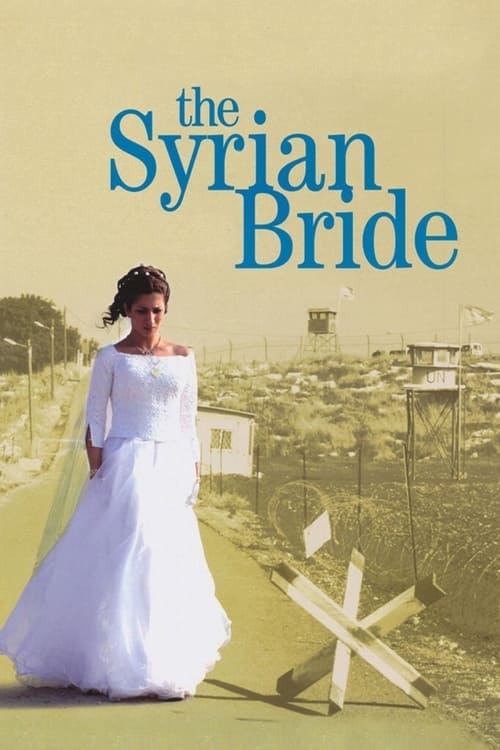
In Majdal Shams, the largest Druze village in Golan Heights on the Israeli-Syrian border, the Druze bride Mona is engaged to get married with Tallel, a television comedian that works in the Revolution Studios in Damascus, Syria. They have never met each other because of the occupation of the area by Israel since 1967; when Mona moves to Syria, she will lose her undefined nationality and will never be allowed to return home. Mona's father Hammed is a political activist pro-Syria that is on probation by the Israeli government. His older son Hatten married a Russian woman eight years ago and was banished from Majdal Shams by the religious leaders and his father. His brother Marwan is a wolf trader that lives in Italy. His sister Amal has two teenager daughters and has the intention to join the university, but her marriage with Amin is in crisis. When the family gathers for Mona's wedding, an insane bureaucracy jeopardizes the ceremony.
2008
2016
2014
2020
2017
2004
2017

2009
No reviews yet. Be the first to share your thoughts on this movie!
Use the rating form above to leave a star rating and optional review.