Biraj Bahu
1954
No user ratings available yet
Representation score: 4.1 out of 10
Representation Score
Fair
1974
Director
Shyam Benegal
Runtime
122 minutes
Average Rating
No ratings yetNew Showbiz Analysis
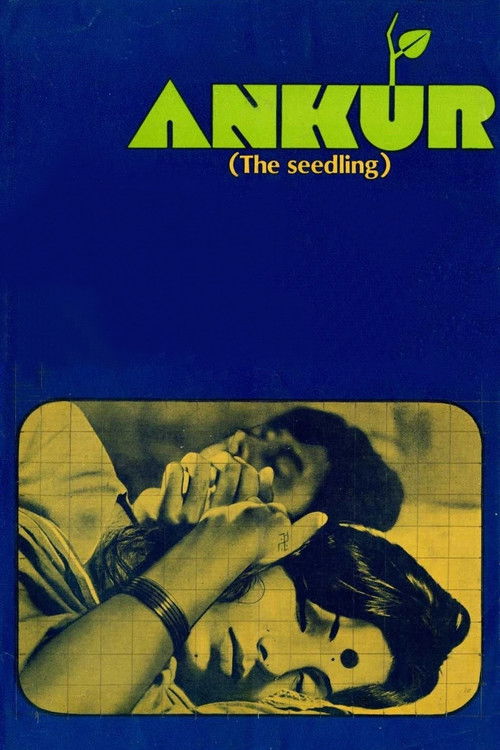
Shyam Benegal’s *Ankur* serves as a cinematic exploration of caste and class. The film goes beyond simple storytelling to expose the feudal system as a mechanism of systemic exploitation. The narrative focuses on the struggles of underrepresented laborers against the landed gentry. By portraying the village hierarchy as an engine of oppression rather than a source of order, the film adopts a progressive, anti-establishment stance. While the film lacks LGBTQ+ and disability representation, its strength lies in its sophisticated critique of entrenched social hierarchies and the precariousness of life for those at the bottom of the social ladder.
Category Breakdown
The film does not include any LGBTQ+ characters or narratives. Relationships focus solely on traditional, exploitative gender and class-based interactions.
The story revolves around a woman navigating extreme vulnerability within a patriarchal society. It highlights the predatory nature of the landlord's son and critiques traditional hierarchies.
The film examines internal social stratification through the Indian caste system. It uses these power dynamics to explore how internal hierarchies mirror colonial structures of oppression.
The story offers a profound critique of feudalism and traditional land ownership. It deconstructs the moral authority of the ruling class, presenting their dominance as inherently corrupt.
There is no significant or central depiction of physical or neurodivergent disabilities within the main storyline.
Present on Screen
Limited or Absent
Official Synopsis
In a small Indian village, a destitute woman's barren, alcoholic husband absconds after stealing toddy. Alone to fend for herself, she ends up relying on the affections of her landlord's to-be-married son who recently returned to look after the estate.
1954

1959

1977

1955
1954

2005

1977

1984
No reviews yet. Be the first to share your thoughts on this movie!
Use the rating form above to leave a star rating and optional review.