
Bol
2011
No user ratings available yet
Representation score: 9.6 out of 10
Representation Score
Good
2009
Director
Mostofa Sarwar Farooki
Runtime
124 minutes
Average Rating
No ratings yetNew Showbiz Analysis
Mostofa Sarwar Farooki’s drama is a sophisticated interrogation of social realism. It succeeds by centering women's ability to drive the story and challenging the dominance of traditional cultural structures in Bangladesh. The film prioritizes individual subjective truth over collective communal morality. However, the narrative remains limited by its focus on straight relationships. The absence of LGBTQ+ representation and disability narratives prevents a more layered exploration of identity. Ultimately, the film serves as a progressive tool for deconstructing social hierarchies, even while operating within specific romantic frameworks.
Category Breakdown
The story focuses on straight relationships and marital infidelity. There is no evidence of LGBTQ+ identities or narratives that specifically critique the assumption that everyone is straight.
The film gives the female protagonist significant control over her actions by centering her pursuit of intimacy outside traditional marriage. It explores the subversion of domestic hierarchies and patriarchal constraints.
A predominantly Bengali cast provides authentic local representation. The film avoids a Western-centric perspective by grounding its social commentary within specific Bangladeshi socioeconomic strata.
The narrative critiques oppressive social institutions by framing individual autonomy against rigid communal morality. It explores the tension between modern identity and inherited tradition.
There is no discernible evidence regarding the depiction of physical or neurodivergent disabilities in this work.
Present on Screen
Limited or Absent
Official Synopsis
A woman breaks with traditional Muslim culture by living with her boyfriend before getting married, but when the relationship ends, she must face the harsh consequences of being an outcast in her community.
2011
2016
2013
2000
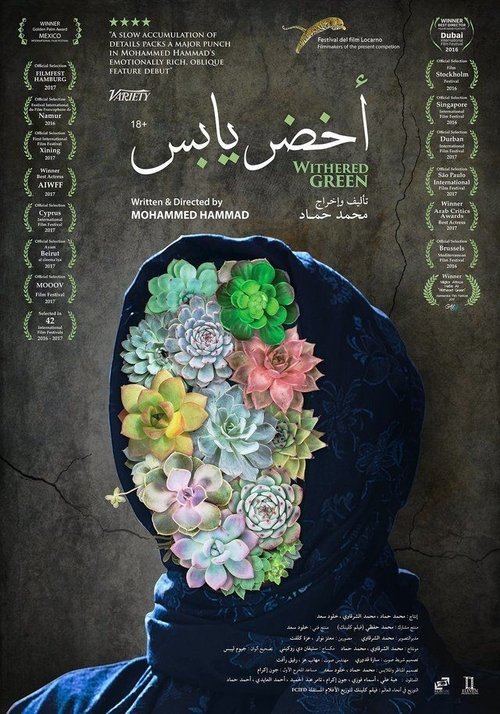
2017

2004

2009

2008
No reviews yet. Be the first to share your thoughts on this movie!
Use the rating form above to leave a star rating and optional review.