Statues Also Die
1953
No user ratings available yet
Diversity score: 6.7 out of 10
1950
Director
René Vautier
Runtime
17 minutes
Average Rating
No ratings yetSynopsis
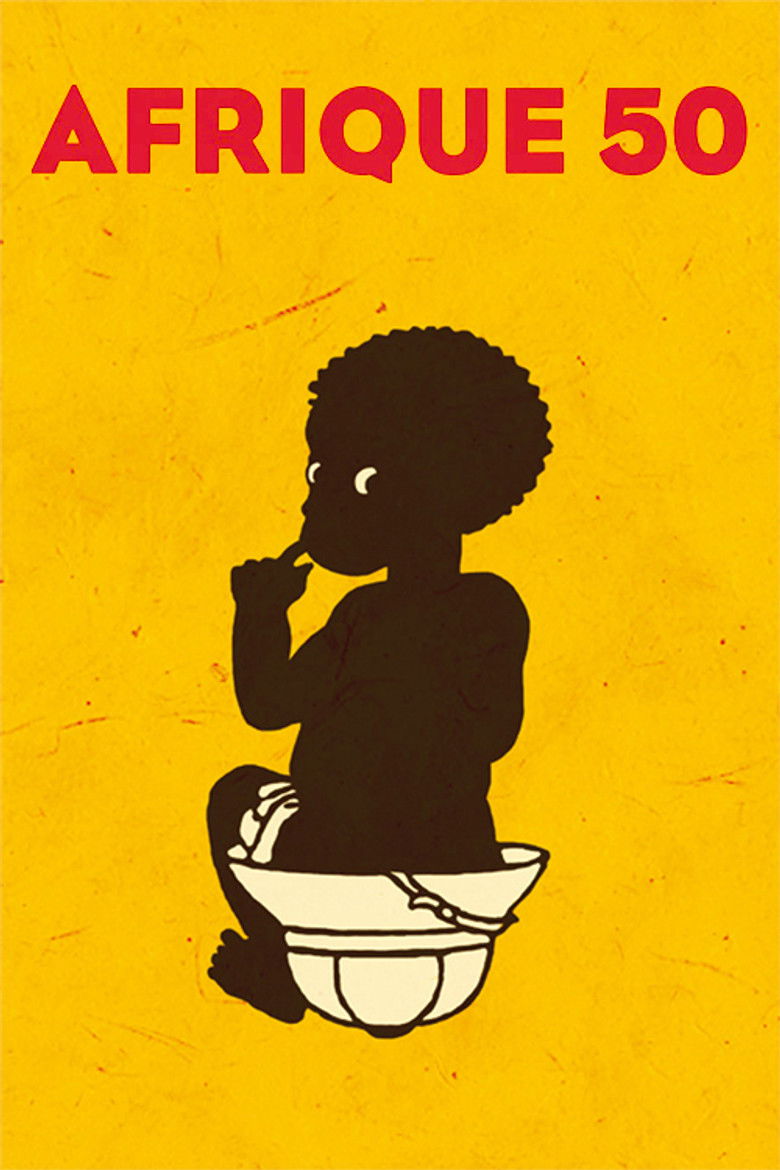
The first French anti-colonialist film, derived from an assignment in which the director was to document educational activities by the French League of Schooling in West Africa. Vautier later filmed what he actually saw: “a lack of teachers and doctors, the crimes committed by the French Army in the name of France, the instrumentalization of the colonized peoples.” For his role in the film, Vautier was imprisoned for several months. The film was banned from public screening for more than 40 years.
Overall Score
Good
Category Breakdown
LGBTQ+ Representation
The film focuses on the critique of colonial structures and racial hegemony. There are no documented LGBTQ+ narratives or non-cisnormative identities present in this historical documentary.
Gender Representation
The film challenges patriarchal colonial hierarchies through its disruption of French administration. However, it lacks explicit evidence of female agency or the subversion of traditional gender roles among African subjects.
Racial & Ethnic Diversity
The documentary achieves exceptional representation by centering the African experience and the agency of colonized subjects. It validates the humanity of non-white populations while rejecting white savior tropes.
Religious & Cultural Diversity
This seminal work critiques Western institutions and the French colonial state as inherently oppressive. It deconstructs Western hegemony by framing the colonial administration as a corrupt aggressor.
Disability Representation
There is no specific evidence regarding the portrayal of physical or neurodivergent disabilities within the film's historical context.
Strengths
Areas for Improvement
AI Analysis
René Vautier’s *Afrique 50* is a radical decolonial text that pivots from a state assignment to a scathing exposé of imperialist crimes. It succeeds by centering the racial and political struggles of colonized peoples, effectively dismantling the myth of the French 'civilizing mission.' While the film is a landmark for its racial and cultural critique, it lacks specific focus on gender dynamics or LGBTQ+ identities. The absence of data regarding disability representation also limits the mathematical diversity profile. Ultimately, the film's strength lies in its intentionality. It uses the camera to validate the systemic suffering of African populations, making it a foundational piece of anti-colonial cinema.
1953
1968

1969

1974

1968
2009

2011

1971

1968
1960

2005
2012
No reviews yet. Be the first to share your thoughts on this movie!
Use the rating form above to leave a star rating and optional review.