I Am a Son of America
1972
No user ratings available yet
Representation score: 6.3 out of 10
Representation Score
Limited
1968
UnratedDirector
Octavio Getino, Fernando E. Solanas
Runtime
260 minutes
Average Rating
No ratings yetNew Showbiz Analysis
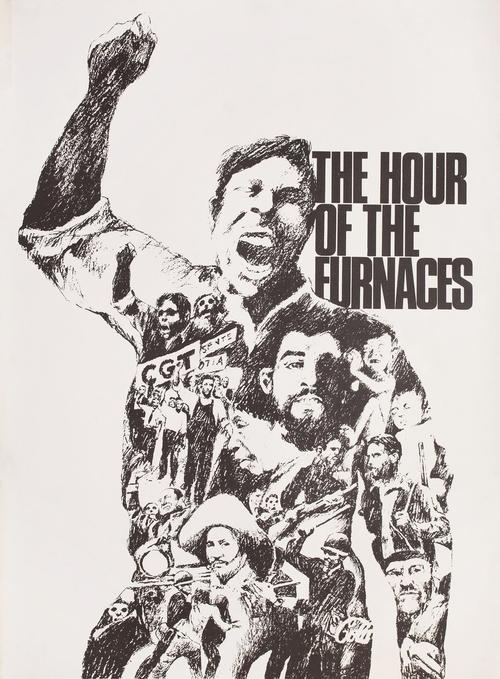
The Hour of the Furnaces is a landmark of Third Cinema that prioritizes systemic critique over individual identity. It excels at challenging Eurocentric hegemony by centering the struggles of the colonized and the working class across Latin America. However, the film’s macro-political focus results in a lack of representation for specific identity groups. It does not engage with LGBTQ+ narratives or provide specific ability to act for gender-focused or disability-focused perspectives. Ultimately, the work is a powerful tool for anti-colonial analysis, trading individual character arcs for a radical critique of global power structures and imperialist exploitation.
Category Breakdown
The film focuses on class and state power without depicting specific LGBTQ+ identities or stories involving diverse gender expressions.
While the narrative emphasizes the role of the masses in historical change, it does not provide specific roles or actions centered around gender issues.
The film centers the experiences of colonized peoples and those in the 'Third World,' highlighting indigenous populations and Latin American working classes to challenge Eurocentric dominance.
It portrays Western institutions and capitalism as oppressive and criticizes religious institutions for maintaining class hierarchies, advocating for dismantling Western-imposed norms.
The documentary focuses on collective socio-economic identities without addressing physical or neurodivergent disabilities.
Present on Screen
Limited or Absent
Official Synopsis
An impassioned three-part documentary of the liberation struggle waged throughout Latin America, using Argentina as a historical example of the imperialist exploitation of the continent. Part I: Neo-Colonialism and Violence is a historical, geographic, and economic analysis of Argentina. Part II: An Act For Liberation examines the ten-year reign of Juan Perón (1945-55) and the activities of the Peronist movement after his fall from power. Part III: Violence and Liberation studies the role of violence in the national liberation process and constitutes a call for action.
1972
2017
1977
2015

1977

2013
1979
1966
No reviews yet. Be the first to share your thoughts on this movie!
Use the rating form above to leave a star rating and optional review.