O Retorno da Terra Tupinambá
2015
No user ratings available yet
Representation score: 4.8 out of 10
Representation Score
Fair
1960
Director
Linduarte Noronha
Runtime
20 minutes
Average Rating
No ratings yetNew Showbiz Analysis
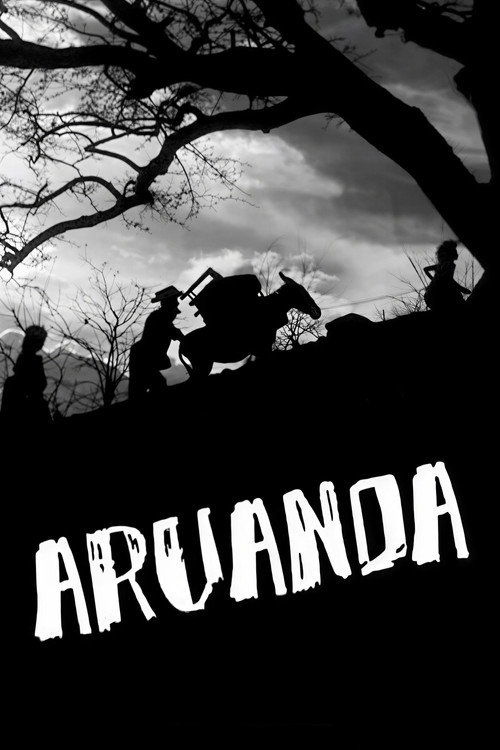
Aruanda is a crucial ethnographic documentary that centers on the Quilombo Olho d'Água, a community of formerly enslaved individuals in Paraíba. By focusing on this isolated social structure, the film provides a powerful counter-narrative to colonial hegemony and state-driven history. The film excels in racial and cultural representation, emphasizing Black ability to act and communal resilience. However, it offers limited visibility into specific gendered character arcs or LGBTQ+ identities, and there is no clear depiction of disabilities or neurodivergence.
Category Breakdown
The film does not provide any direct evidence of LGBTQ+ identities. The story focuses more on communal survival and lineage rather than individual queer identity.
The documentary highlights the essential roles of women in maintaining isolated, self-sustaining communities. Women play key roles in the social structures and communal labor of the Quilombo.
The film centers around a Black community, providing a platform for Black autonomy by documenting the lives of runaway slave communities. It challenges Eurocentric historical narratives.
The narrative critiques Western institutions by showcasing a community that exists in isolation from capitalist and state-driven norms. The Quilombo is presented as a site of resistance.
There is no verifiable evidence regarding the depiction of physical disabilities or neurodivergence within the community.
Present on Screen
Limited or Absent
Official Synopsis
The real story of Quilombo Olho d'Água from Serra do Talhado, in the state of Paraíba, Brazil, which became institutionally isolated from the rest of the country. Quilombos were runaway slave communities in colonial Brazil.
2015

1991
1959

2020

1982

1971

1965
2009
No reviews yet. Be the first to share your thoughts on this movie!
Use the rating form above to leave a star rating and optional review.