
Here and Elsewhere
1976
No user ratings available yet
Representation score: 7.0 out of 10
Representation Score
Fair
1971
Director
Kōji Wakamatsu, Masao Adachi
Runtime
70 minutes
Average Rating
No ratings yetNew Showbiz Analysis
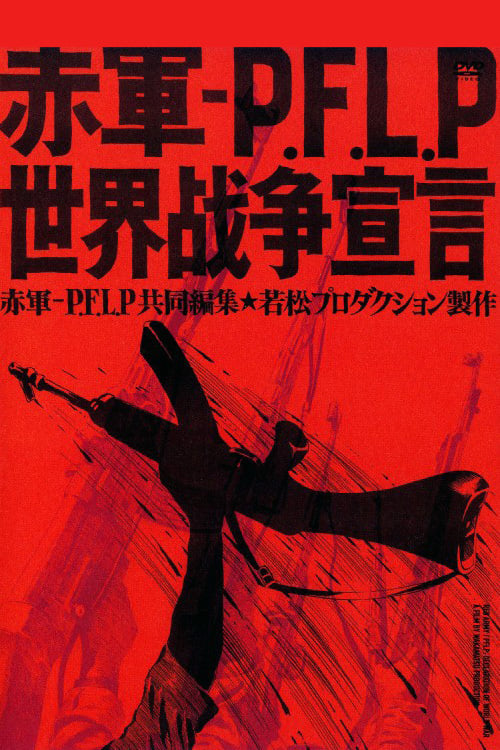
Red Army/PFLP: Declaration of World War is a film that emphasizes international solidarity over traditional journalism. It effectively challenges Western dominance and centers non-Western perspectives. However, it focuses narrowly on geopolitical struggles and militant ideologies, leaving little room for diverse representation. The film does not engage with LGBTQ+ identities or gender hierarchies within the revolutionary movements it documents. Ultimately, it is a powerful tool for anti-imperialist storytelling but remains limited in its scope of representation.
Category Breakdown
The film does not show any visible or explicit depictions of LGBTQ+ identities or non-cisgender gender expressions.
Women are present in the revolutionary cells, but the film does not focus on their roles or the power dynamics between genders.
The documentary highlights Palestinian and Japanese Red Army resistance, presenting a non-Western coalition as the main characters.
This work is a strong example of anti-imperialist storytelling. It focuses on post-colonial themes and the voices of those resisting Western influence.
There is no significant depiction of physical or neurodivergent disabilities in the film.
Present on Screen
Limited or Absent
Official Synopsis
On their way back from the Cannes Film Festival in 1971, filmmakers Wakamatsu Koji and Adachi Masao visited Lebanon to meet Japan's Red Army faction and the Popular Front for the Liberation of Palestine to shoot a newsreel film promoting the Palestinian resistance. Conceived as a ‘declaration of world war’ that implicates us all, the directors capture the everyday banality of military training and preparation exercises for imminent battle.
1976

2024

2011

1974

1974

2011

1982

1977
No reviews yet. Be the first to share your thoughts on this movie!
Use the rating form above to leave a star rating and optional review.