Ai Weiwei: The Fake Case
2013
No user ratings available yet
Representation score: 8.8 out of 10
Representation Score
Limited
2011
Not RatedDirector
Mojtaba Mirtahmasb, Jafar Panahi
Runtime
78 minutes
Average Rating
No ratings yetNew Showbiz Analysis
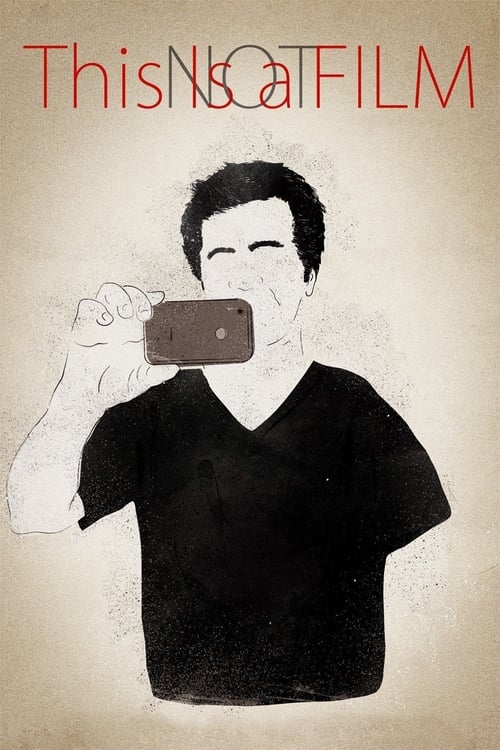
This documentary serves as a vital piece of meta-cinematic resistance. It succeeds by offering a nuanced, non-Western perspective that challenges state-controlled narratives and explores the intersection of art and authority. While the film lacks specific representation for LGBTQ+ and disability-focused narratives, its cultural impact is driven by a high-level critique of institutional power. It effectively deconstructs the concept of truth in cinema through the lens of a filmmaker under house arrest. The work functions primarily as a political and professional document, prioritizing the struggle for intellectual freedom over traditional social identity explorations.
Category Breakdown
The documentary does not include any representations of LGBTQ+ identities or non-cisgender narratives. Instead, it focuses on the political and creative challenges faced by the filmmaker under state surveillance.
The film centers on the male-dominated world of filmmaking and the legal restrictions faced by the filmmaker. It does not explicitly challenge gender hierarchies but focuses on the political and professional ability to act of the filmmaker.
The film provides a deep look at Iranian identity and lived experiences. It disrupts the Western-centric cinematic perspective by centering a non-Western viewpoint within a specific geopolitical context.
The work excels in critiquing state institutions as oppressive forces. It employs a postmodern framework to deconstruct the concept of truth and highlights the struggle for creative autonomy against centralized power.
There are no specific depictions of physical or neurodivergent disabilities central to the narrative. These themes are not used as plot devices within this documentary.
Present on Screen
Limited or Absent
Official Synopsis
Renowned Iranian director Jafar Panahi received a 6-year prison sentence and a 20-year ban from filmmaking and conducting interviews with foreign press due to his open support for the opposition party in Iran's 2009 election. In this film, which was shot secretly by Panahi's close friend Mojtaba Mirtahmasb and smuggled into France on a USB stick concealed inside a cake for a last-minute submission to Cannes, Panahi documents his daily life under house arrest as he awaits a decision on his appeal.
2013
2020
2008
2015
2016
2022
2017
2011
No reviews yet. Be the first to share your thoughts on this movie!
Use the rating form above to leave a star rating and optional review.