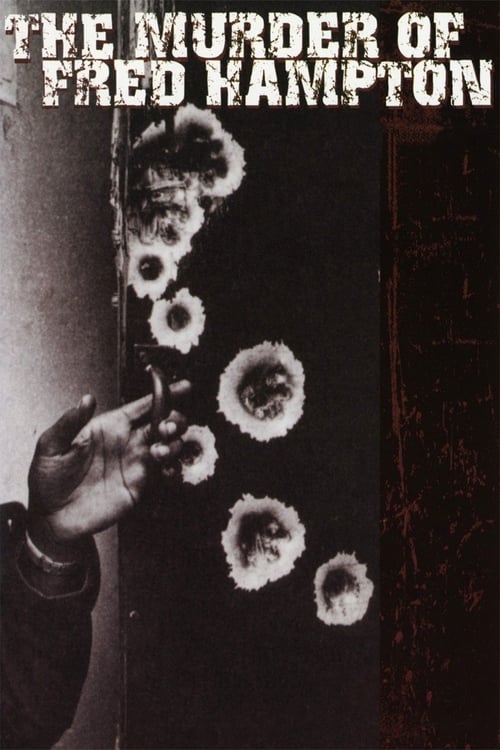
The Murder of Fred Hampton
1971
No user ratings available yet
Representation score: 4.0 out of 10

Representation Score
Fair
1968
Not RatedDirector
Agnès Varda
Runtime
28 minutes
Average Rating
No ratings yetNew Showbiz Analysis
Agnès Varda’s documentary serves as a powerful disruption of traditional cinematic hierarchies. By focusing on the Black Panther Party’s efforts in Oakland, the film shifts the focus from institutional authority to grassroots ability to act. It successfully challenges the dominant cultural narratives of the 1960s. The film excels in transforming a legal proceeding into a broader discussion on systemic justice. It centers identity-driven political ability to act and functions as a vital counter-narrative. While it excels in racial and cultural representation, it lacks specific data on LGBTQ+ or disability representation.
Category Breakdown
The film does not provide any explicit representation of LGBTQ+ characters or storylines. Therefore, no score can be assigned.
The documentary challenges traditional masculine-centric views by highlighting the collective ability to act of the community. It focuses on organized, communal political action rather than individual leaders.
This work centers a non-Anglo-Saxon movement, moving characters of color from the periphery to the core of the political debate.
The narrative critiques Western institutions from a systemic perspective, prioritizing underrepresented viewpoints over established state power and judicial systems.
There is no documented evidence regarding the portrayal of physical or neurodivergent disabilities within the film.
Present on Screen
Limited or Absent
Official Synopsis
A film shot during the summer of 1968 in Oakland, California around the meetings organised by the Black Panthers Party to free Huey Newton, one of their leaders, and to turn his trial into a political debate. They tried and succeeded in catching America’s attention.
1971
2012
1970

2013
2012

2017

1966
2012
No reviews yet. Be the first to share your thoughts on this movie!
Use the rating form above to leave a star rating and optional review.