
When Clouds Clear
2008
No user ratings available yet
Diversity score: 6.4 out of 10
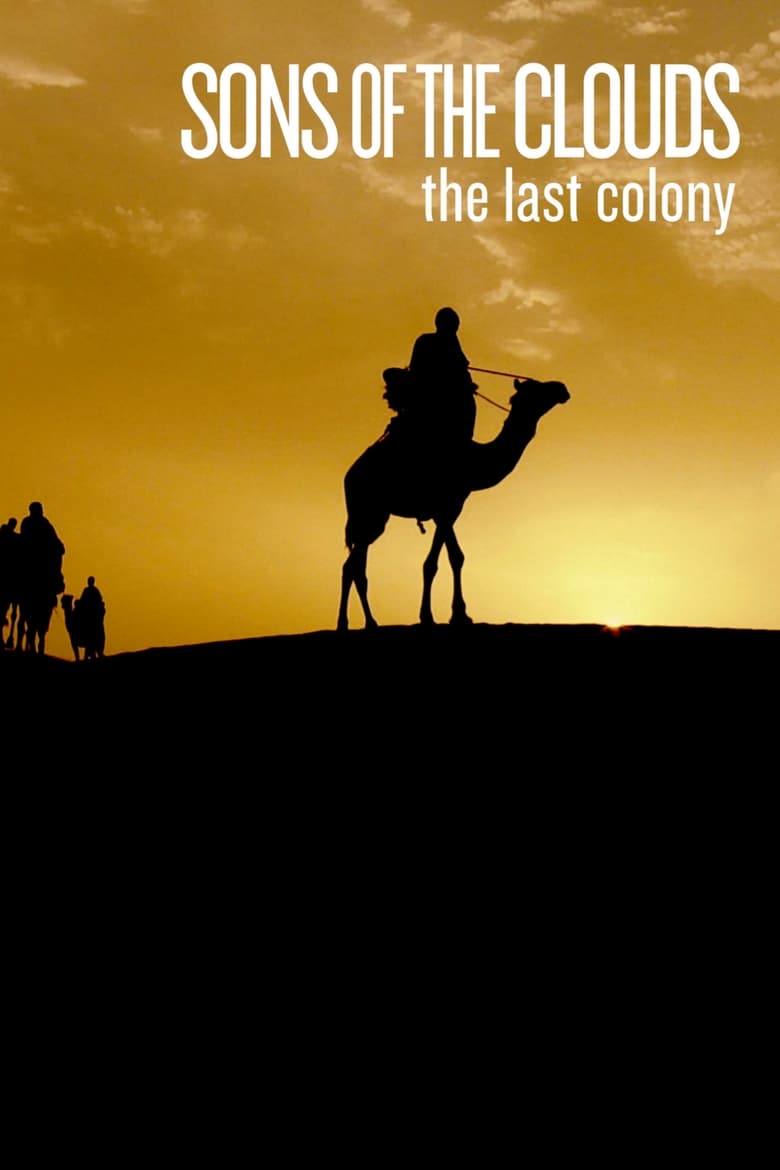
2012
Director
Álvaro Longoria
Runtime
80 minutes
Average Rating
No ratings yetSynopsis
The political upheaval in North Africa is responsibility of the Western powers —especially of the United States and France— due to the exercise of a foreign policy based on practical and economic interests instead of ethical and theoretical principles, essential for their international politic strategies, which have generated a great instability that causes chaos and violence, as occurs in Western Sahara, the last African colony according to the UN, a region on the brink of war.
Overall Score
Good
Category Breakdown
LGBTQ+ Representation
The documentary focuses on geopolitical and ethnic struggles for sovereignty. There is no narrative focus on non-cisnormative identities or LGBTQ+ themes.
Gender Representation
The film disrupts patriarchal hierarchies by centering the agency of Sahrawi women. It highlights their leadership and essential roles in maintaining community infrastructure within refugee camps.
Racial & Ethnic Diversity
The film provides exceptional representation by centering the Sahrawi people as primary protagonists. It prioritizes indigenous voices and activists to deconstruct Anglo-centric historical perspectives.
Religious & Cultural Diversity
Using a post-colonialist framework, the film critiques Western hegemony and the economic interests of the U.S. and France. It examines the failures of international diplomacy and capitalism.
Disability Representation
The film depicts socioeconomic hardships and physical vulnerabilities inherent in refugee life. However, there is no specific focus on individual disabilities as a narrative driver.
Strengths
Areas for Improvement
AI Analysis
Sons of the Clouds: The Last Colony is a significant piece of post-colonial cinema that shifts the focus from Western diplomatic maneuvering to the lived realities of the Sahrawi people. It succeeds by utilizing a framework of systemic analysis to empower a marginalized identity through historical and political agency. The documentary's primary strength is its ability to disrupt conventional geopolitical narratives. By centering indigenous voices, it avoids the common 'Western lens' trope and provides a sophisticated critique of global power dynamics. While the film excels in ethnic and cultural representation, it lacks focus on LGBTQ+ identities and specific disability narratives. The narrative architecture is strictly tied to the geopolitical struggle for sovereignty.
2008

2018
2014
2009
2007
2008
2015

2014
1968

1974
2004
2010
No reviews yet. Be the first to share your thoughts on this movie!
Use the rating form above to leave a star rating and optional review.