Afrique 50
1950
No user ratings available yet
Diversity score: 6.7 out of 10
1953
Director
Chris Marker, Alain Resnais, Ghislain Cloquet
Runtime
30 minutes
Average Rating
No ratings yetSynopsis
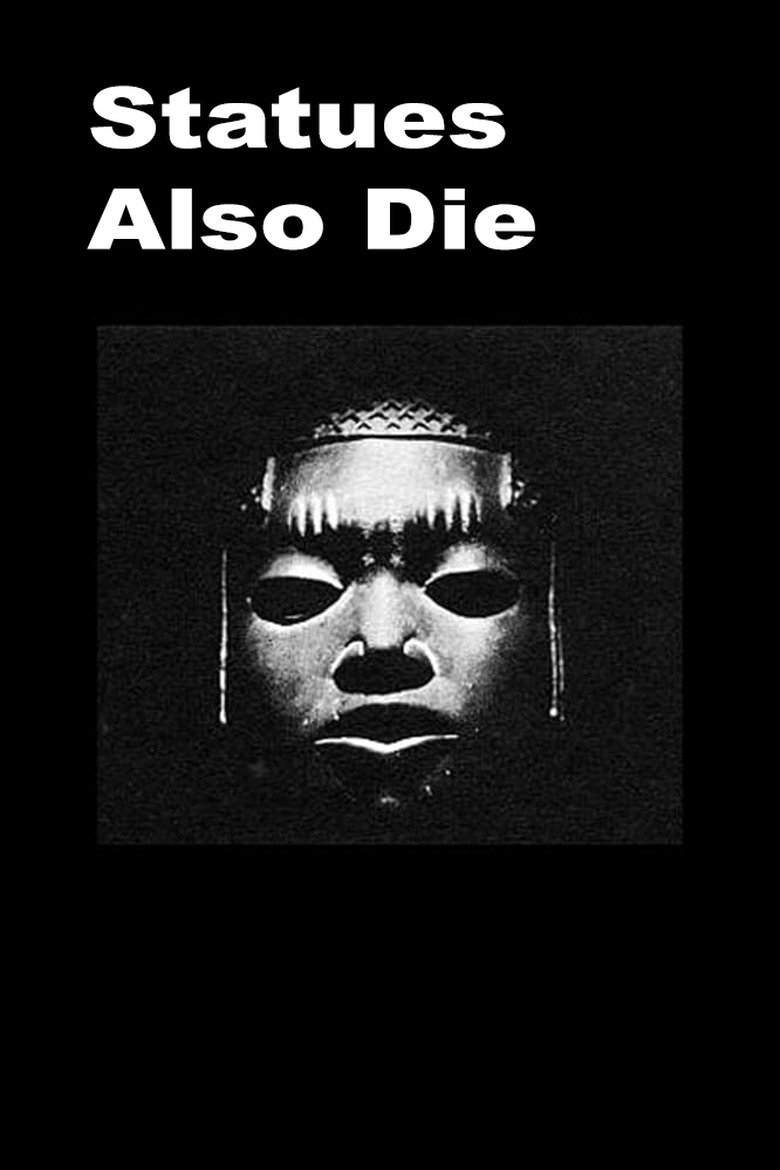
Commissioned by the journal Présence Africaine, this short documentary examines how African art is devalued and alienated through colonial and museum contexts. Beginning with the question of why African works are confined to ethnographic displays while Greek or Egyptian art is celebrated, the film became a landmark of anti-colonial cinema and was banned in France for eight years.
Overall Score
Good
Category Breakdown
LGBTQ+ Representation
The documentary does not feature LGBTQ+ characters or narratives. Its focus remains on the semiotics of art and the sociopolitical realities of colonialism rather than gender identity.
Gender Representation
The film captures Algerian social life through an observational lens. It adheres to 1950s social norms without actively centering female agency or subverting traditional gender hierarchies.
Racial & Ethnic Diversity
This landmark film prioritizes the agency of the colonized subject. It disrupts the Eurocentric museum gaze by centering African art and the Algerian experience against colonial hierarchies.
Religious & Cultural Diversity
The film offers a profound critique of Western hegemony and the colonial 'civilizing mission.' It frames the struggle for sovereignty as a necessary reclamation of cultural dignity.
Disability Representation
The film does not focus on characters with visible or invisible disabilities. No specific representation is present in this narrative.
Strengths
Areas for Improvement
AI Analysis
Statues Also Die is a foundational post-colonial text that excels in its radical critique of Western cultural dominance. By deconstructing how museums alienate African art, the film centers the historical validity of the colonized subject. While the film lacks engagement with modern tropes regarding LGBTQ+ identities or gender subversion, its intellectual depth is immense. The involvement of Marker and Resnais ensures a sophisticated dismantling of imperialist narratives. Ultimately, the work succeeds by replacing colonial hierarchies with a narrative that prioritizes the subjective truth of African identity over the official accounts of the colonizer.
1950
1968
1964

2011
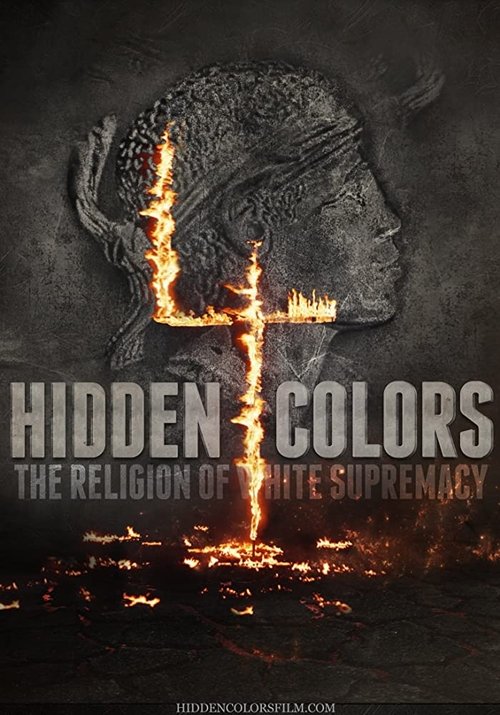
2016

2005
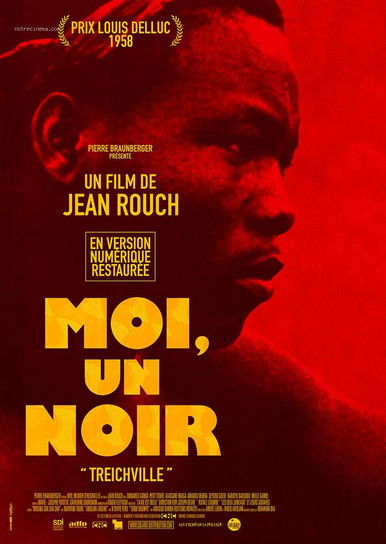
1959
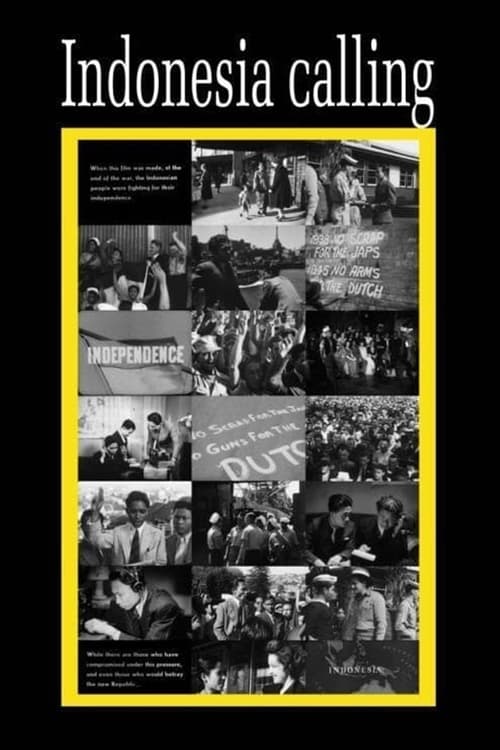
1946

2000
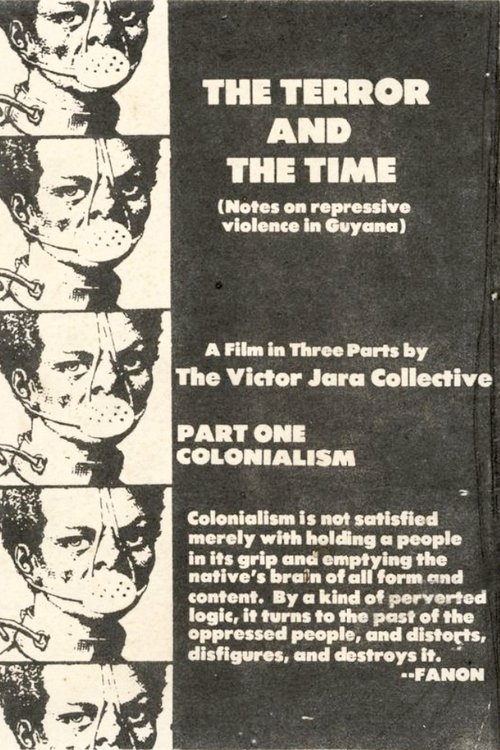
1978

1968
1991
No reviews yet. Be the first to share your thoughts on this movie!
Use the rating form above to leave a star rating and optional review.