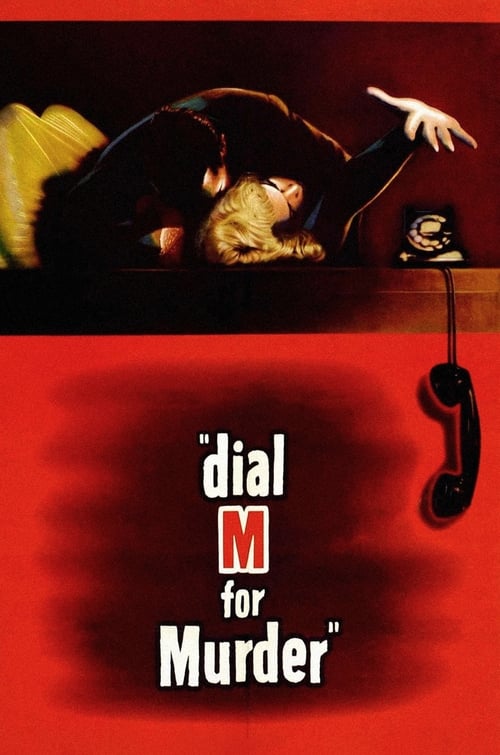
Dial M for Murder
1954
No user ratings available yet
Representation score: 1.2 out of 10
Representation Score
Limited
1951
PGDirector
Alfred Hitchcock
Runtime
101 minutes
Average Rating
No ratings yetNew Showbiz Analysis
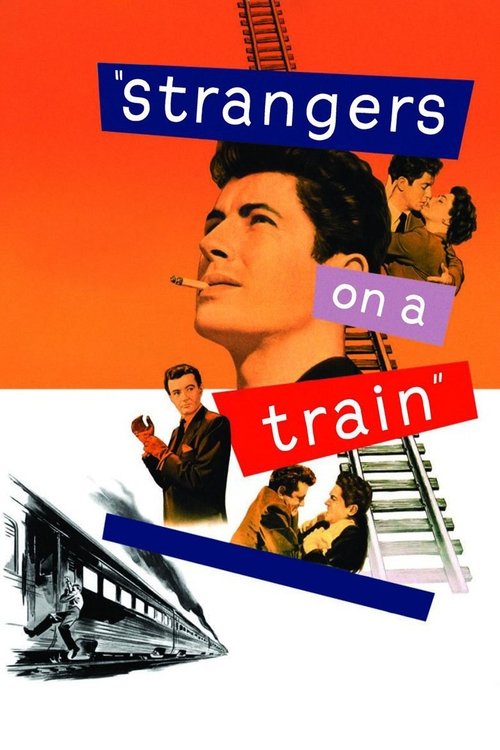
Strangers on a Train is a quintessential mid-century thriller that prioritizes psychological suspense over social subversion. It operates within the traditional hierarchies of the 1950s, focusing on individual deviance rather than systemic diversity. The film lacks intentional characters who reflect more than one aspect of diversity, presenting a homogeneous social world. While it touches on psychological instability, it frames these issues through the lens of criminal pathology rather than nuanced disability representation. Ultimately, the narrative reinforces established cultural norms, positioning legal and social institutions as the necessary forces to restore order against individual madness.
Category Breakdown
The film adheres to a strictly heterosexual and cisgender framework. There are no depictions of LGBTQ+ identities or subtext related to gender fluidity.
Women primarily serve as emotional stakes or catalysts for male development. Although Anne has depth, her role is mostly reactive to the actions of the male leads.
The cast is predominantly white, reflecting a homogeneous social landscape. The narrative focuses on a narrow, culturally specific American middle and upper-class demographic.
The story upholds traditional social structures and authority. It portrays moral relativism as a psychological issue rather than a critique of Western institutions.
The film explores behaviors associated with neurodiversity, such as obsessive tendencies. However, these traits are framed as criminal pathology rather than as expressions of ability to act.
Present on Screen
Limited or Absent
Official Synopsis
A charming psychopath tries to coerce a tennis star into his theory that two strangers can commit the perfect crime by exchanging murders—each killing the other’s most-hated person.
1954
1944
1948
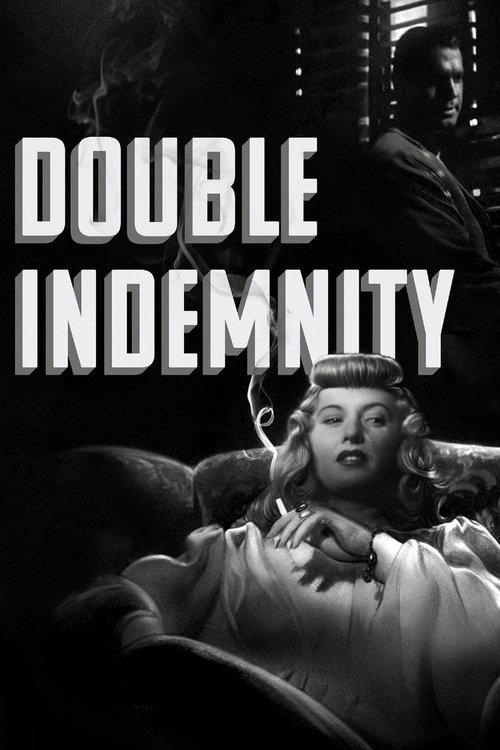
1944
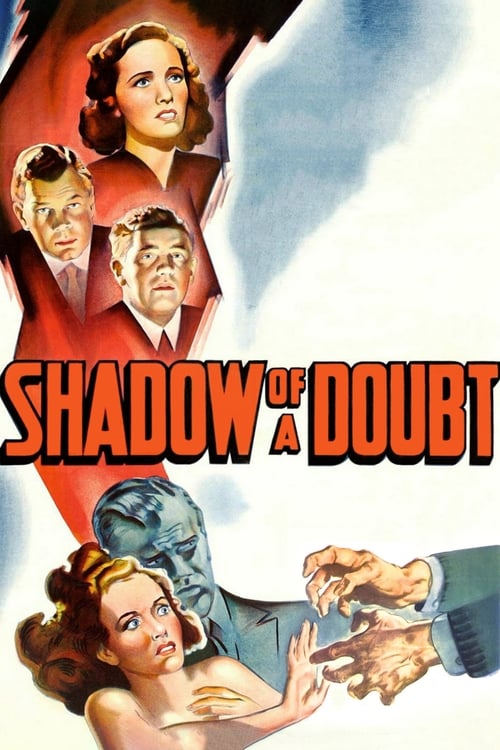
1943
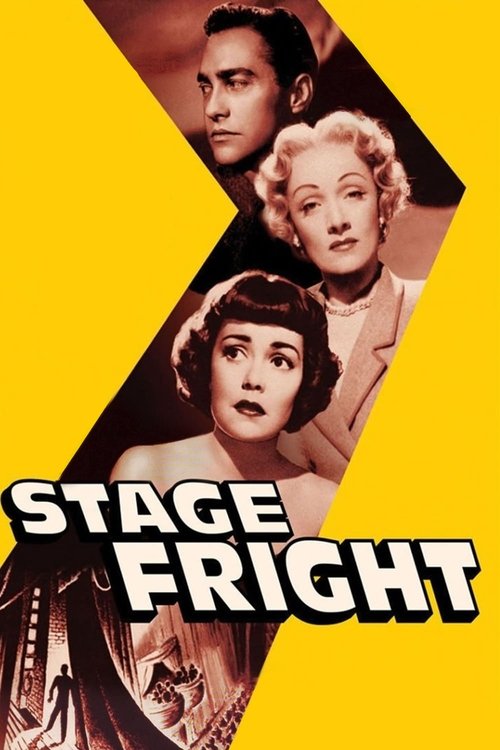
1950

1956
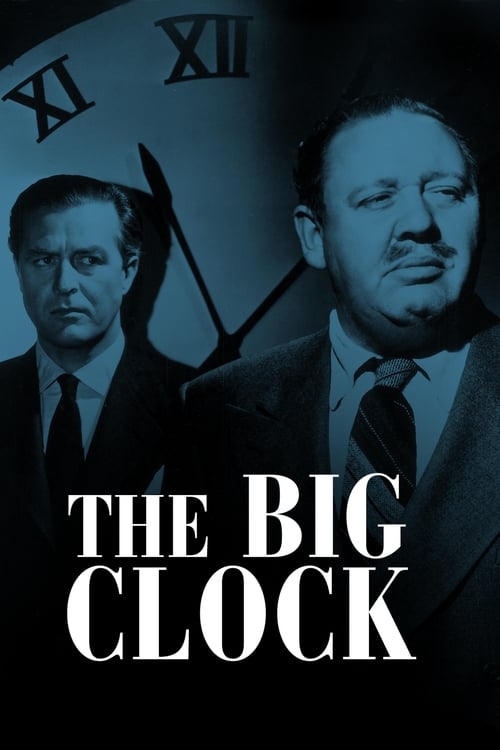
1948
No reviews yet. Be the first to share your thoughts on this movie!
Use the rating form above to leave a star rating and optional review.