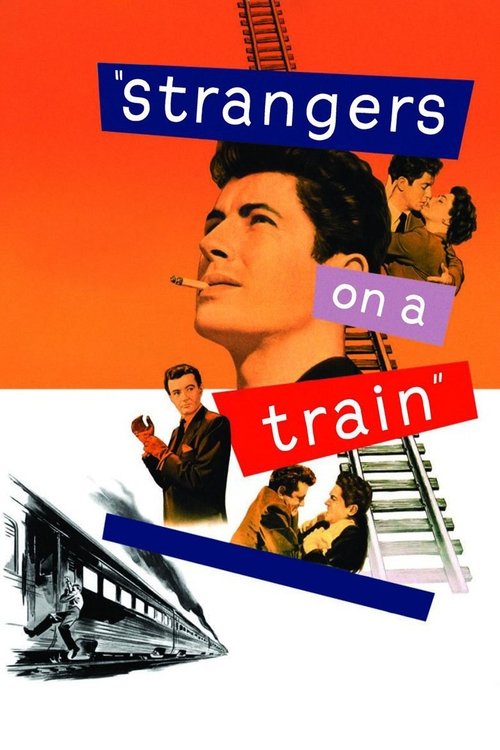
Strangers on a Train
1951
No user ratings available yet
Diversity score: 2.8 out of 10
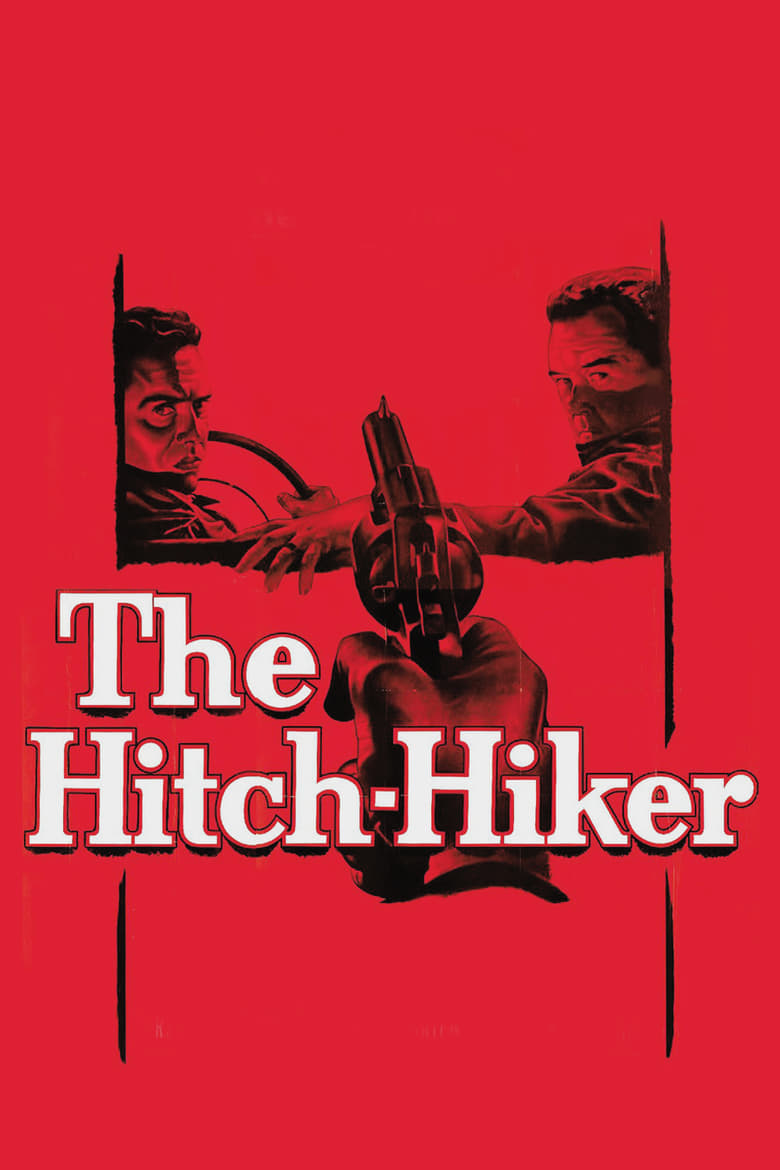
1953
ApprovedDirector
Ida Lupino
Runtime
71 minutes
Average Rating
No ratings yetSynopsis
Roy and Gilbert's fishing trip takes a terrifying turn when the hitchhiker they pick up turns out to be a sociopath on the run from the law. He's killed before, and he lets the two know that as soon as they're no longer useful, he'll kill again. The two friends plot an escape, but the hitchhiker's peculiar physical affliction, an eye that never closes even when he sleeps, makes it impossible for them to tell when they can make a break for it.
Overall Score
Limited
Category Breakdown
LGBTQ+ Representation
The film lacks LGBTQ+ characters or themes. The interpersonal dynamics focus on a predatory male figure and his victims within a traditional heteronormative framework.
Gender Representation
Ida Lupino’s direction shifts the focus from traditional masculine heroism toward a nuanced exploration of vulnerability. The narrative centers on survival against a male predator rather than domestic hierarchies.
Racial & Ethnic Diversity
Set in the American Southwest, the film features a predominantly white cast. It reflects 1950s cinematic norms by not actively diversifying the racial landscape of its setting.
Religious & Cultural Diversity
The story critiques the failure of institutional protection and social stability. It explores the breakdown of the social contract through characters isolated in a remote, lawless environment.
Disability Representation
The antagonist's eye that never closes serves as a plot device to heighten paranoia. This depiction uses physical abnormality to create psychological unease rather than exploring disability agency.
Strengths
Areas for Improvement
AI Analysis
The Hitch-Hiker is a masterclass in psychological tension that subverts typical 1950s genre tropes. While its demographic diversity is limited by the era's historical context, the film offers a sophisticated look at human vulnerability and the deconstruction of social trust. Ida Lupino’s direction provides a unique lens, moving away from standard masculine heroism to explore the fragility of safety. However, the film remains constrained by the period's lack of racial and LGBTQ+ representation. Ultimately, the film's strength lies in its narrative architecture and its ability to use physical abnormality and social isolation to drive a sense of profound psychological realism.
1951

1956

1968

1954

1993

1948

2007

2010
1942
1955
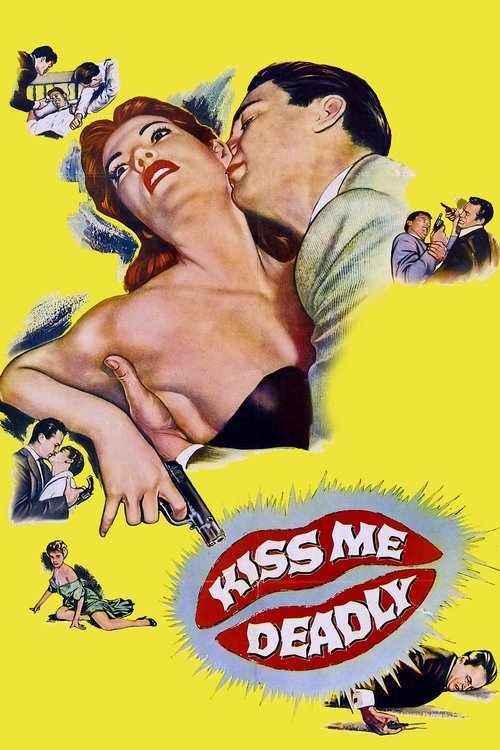
1955

1997
No reviews yet. Be the first to share your thoughts on this movie!
Use the rating form above to leave a star rating and optional review.