Dial M for Murder
1954
No user ratings available yet
Representation score: 1.2 out of 10
Representation Score
Minimal
1950
ApprovedDirector
Alfred Hitchcock
Runtime
110 minutes
Average Rating
No ratings yetNew Showbiz Analysis
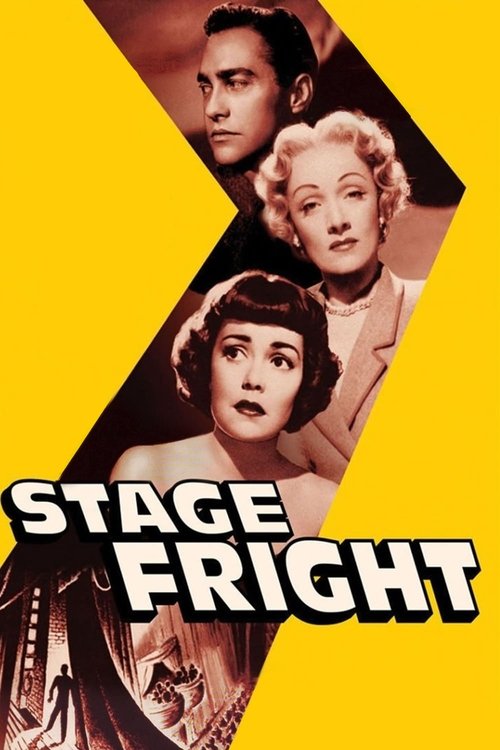
Stage Fright is a product of its time, prioritizing classical suspense and individualist mystery over diverse representation. While it offers some professional ability to act through its female lead, it lacks demographic breadth. The film adheres to mid-century structural norms, focusing on psychological tension rather than systemic critique. It reflects the social constraints of the 1950s rather than challenging them. Ultimately, the narrative lacks the complexity or diverse casting needed to move beyond a traditional, homogeneous social framework.
Category Breakdown
The film does not depict any queer identities or challenge the social standards of the era. It operates within a strictly heterosexual and cisgender framework.
Marlene Dietrich's character provides a strong and intellectually capable presence, showcasing women's ability to drive the story. However, the film still relies on conventional romantic dynamics and vulnerabilities.
The cast is uniform, reflecting the historical context of a 1950s English village. The film lacks diverse casting and any intentional use of non-Anglo-Saxon identities.
The narrative centers on social order and individual morality through a classic whodunit mystery. It prioritizes psychological motives over systemic or socio-political critiques.
There are no visible or invisible disabilities portrayed within the primary character arcs. The story focuses strictly on the psychological states of paranoia and suspense.
Present on Screen
Limited or Absent
Official Synopsis
A struggling actress tries to help a friend prove his innocence when he's accused of murdering the husband of a high-society entertainer.
1954

1930

1947
1944

1953

1948
1954
1937
No reviews yet. Be the first to share your thoughts on this movie!
Use the rating form above to leave a star rating and optional review.