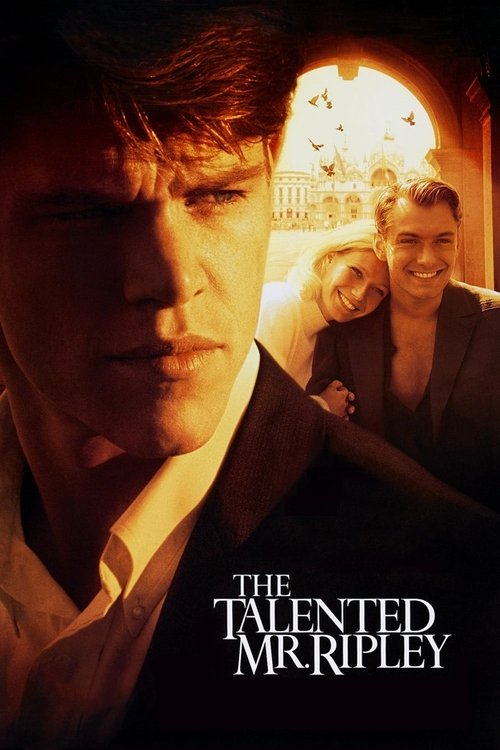
The Talented Mr. Ripley
1999
No user ratings available yet
Representation score: 3.9 out of 10

Representation Score
Fair
2002
RDirector
Liliana Cavani
Runtime
110 minutes
Average Rating
No ratings yetNew Showbiz Analysis
Ripley's Game is a character-driven exploration of class and moral decay, rather than a diverse demographic showcase. It excels at presenting complex female characters who navigate power through intellect and social positioning. However, the film's narrow focus on a homogeneous 1950s European setting limits its representation of racial, ethnic, and LGBTQ+ diversity, keeping the narrative confined to a specific cultural context. Ultimately, the film's strength lies in its psychological depth and its deconstruction of Western morality, while it falls short in providing broad representation across various identities.
Category Breakdown
The story focuses on traditional romantic relationships and lacks explicit LGBTQ+ characters or critiques of heteronormativity. Instead, it explores themes of class and obsession.
The film features strong, complex female characters who challenge stereotypes of passivity by influencing the story through intellect and social positioning. It shifts the focus away from traditional masculine leadership to psychological manipulation.
Set in 1950s Venice, the film reflects a historically homogeneous European society. It lacks racial or ethnic diversity, focusing solely on Western European class struggles.
The film provides a sophisticated critique of upper-class decadence and moral relativism. It deconstructs traditional truths and social institutions through situational ethics.
Jonathan Trevanny's terminal cancer diagnosis drives the plot, but the film uses illness primarily as a catalyst for conflict rather than delving into the lived experience of disability.
Present on Screen
Limited or Absent
Official Synopsis
Tom Ripley - cool, urbane, wealthy, and murderous - lives in a villa in the Veneto with Luisa, his harpsichord-playing girlfriend. A former business associate from Berlin's underworld pays a call asking Ripley's help in killing a rival. Ripley - ever a student of human nature - initiates a game to turn a mild and innocent local picture framer into a hit man. The artisan, Jonathan Trevanny, who's dying of cancer, has a wife, young son, and little to leave them. If Ripley draws Jonathan into the game, can Ripley maintain control? Does it stop at one killing? What if Ripley develops a conscience?
1999
1960
2007

1972
1951
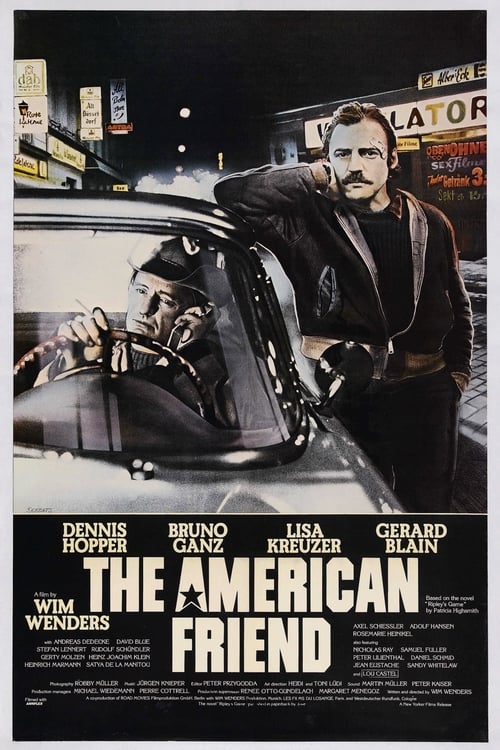
1977
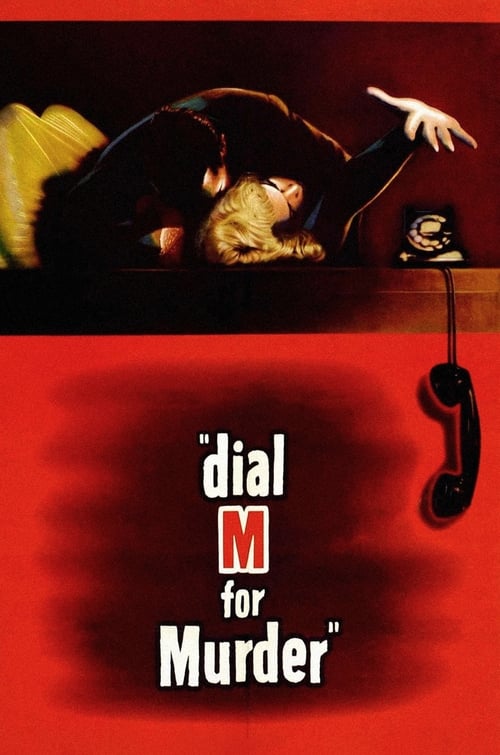
1954
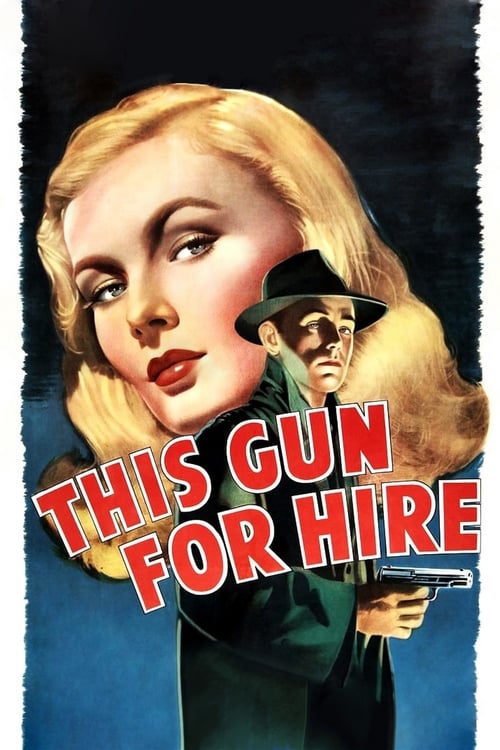
1942
No reviews yet. Be the first to share your thoughts on this movie!
Use the rating form above to leave a star rating and optional review.