
Rope
1948
No user ratings available yet
Representation score: 3.4 out of 10
Representation Score
Minimal
1953
NRDirector
Alfred Hitchcock
Runtime
95 minutes
Average Rating
No ratings yetNew Showbiz Analysis
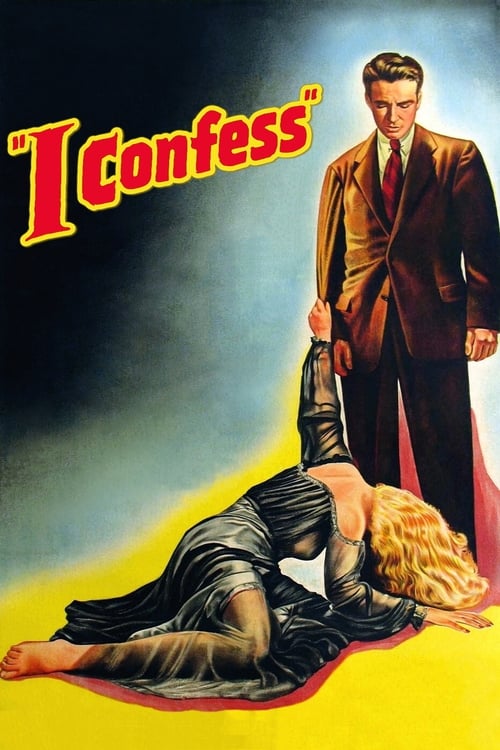
Alfred Hitchcock's thriller emphasizes psychological tension and ethical dilemmas over demographic diversity. The narrative excels in exploring the conflict between religious duty and secular law, providing rich character development within a limited social context. While the film offers a nuanced exploration of human desires and institutional power, it adheres to the social norms of its 1953 setting. It operates within the traditional racial and gender hierarchies of the time, lacking representation outside a standard European cast. Ultimately, the film's strength lies in its examination of moral certainty rather than its inclusivity. It provides a sophisticated look at the interplay between individual psychology and societal expectations.
Category Breakdown
The film centers on heterosexual romance and religious devotion. It does not include any characters with non-binary gender identities or same-sex relationships.
Sister María plays a significant role in driving the protagonist's emotional journey. However, the story is still rooted in a male-dominated system of spiritual and legal authority.
The cast is mostly made up of white actors from Europe. The film does not have characters from diverse racial backgrounds or non-Anglo-Saxon origins.
The story examines the tension between religious beliefs and civil laws. It portrays traditional religious institutions as sources of both personal and social turmoil.
The film does not feature any characters with visible or invisible disabilities.
Present on Screen
Limited or Absent
Official Synopsis
When a priest hears a murderer’s confession, he becomes bound by his vow of silence—even as circumstantial evidence turns suspicion toward him. Torn between faith and self-preservation, he faces public scandal and trial for a crime he cannot reveal the truth about.
1948
1947
1948
1950
2005
1944
1943

1930
No reviews yet. Be the first to share your thoughts on this movie!
Use the rating form above to leave a star rating and optional review.