Sabotage
1936
No user ratings available yet
Representation score: 1.1 out of 10
Representation Score
Limited
1943
PGDirector
Alfred Hitchcock
Runtime
108 minutes
Average Rating
No ratings yetNew Showbiz Analysis
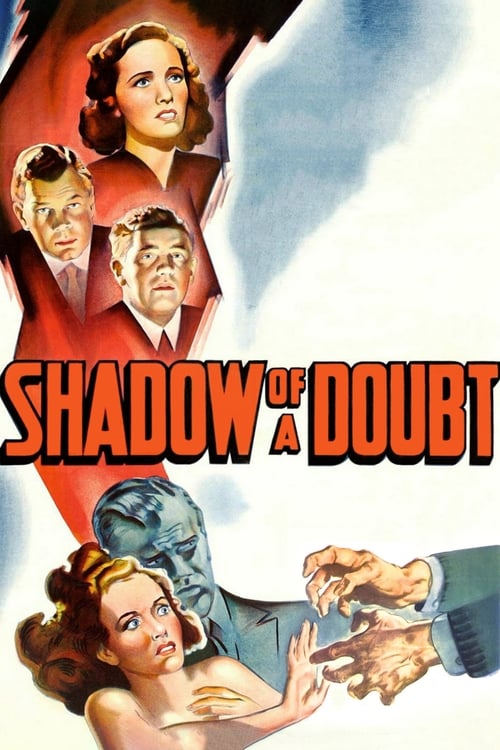
Shadow of a Doubt excels in psychological suspense within the traditionalist frameworks of 1943. It provides the female protagonist with significant psychological ability to act and challenges the perceived stability of the nuclear family. However, the film lacks the multi-layered breadth and racial diversity needed for a higher score. The narrative architecture is built around a singular demographic, offering little visibility for queer or diverse ethnic perspectives. Ultimately, the film's strength lies in its subversion of domestic safety rather than its subversion of social hierarchies.
Category Breakdown
The film does not include any visible LGBTQ+ characters or non-cisgender identities. The social landscape focuses solely on traditional familial and romantic structures.
Charlie Newton evolves from a passive observer into an active driver of the plot, navigating a moral crisis. The film challenges the helpless female stereotype by emphasizing her intellectual intuition.
The narrative depicts a homogeneous, white, middle-class American community. It relies on a single, Anglo-Saxon demographic to create a sense of sleepy Americana.
The story critiques the perceived perfection of the nuclear family and small-town stability. It suggests that the safety of Western domestic institutions is often an illusion.
There is no intentional representation of physical or neurodivergent disabilities. Psychological states like paranoia are treated as character arcs rather than explorations of disability ability to act.
Present on Screen
Limited or Absent
Official Synopsis
In sleepy Santa Rosa, restless young Charlie’s world brightens when her sophisticated Uncle Charlie arrives for a long visit. But as his behavior grows increasingly strange, she begins to suspect that her beloved uncle may be hiding a terrible secret—and that danger has quietly entered her home.
1936
1953
1954

1946
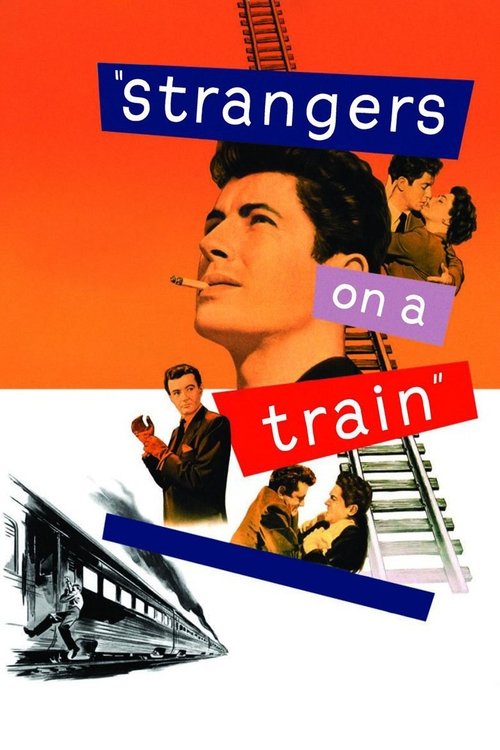
1951
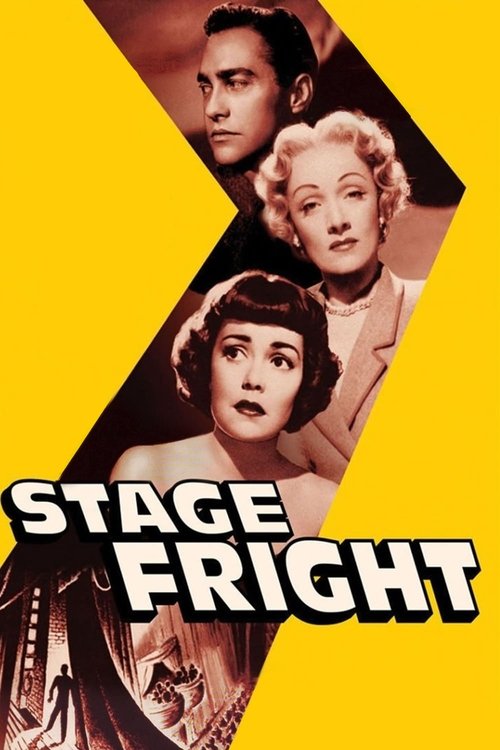
1950
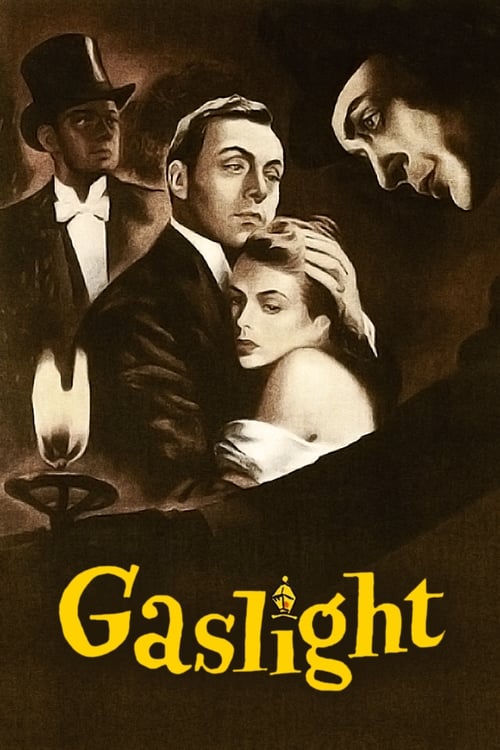
1944
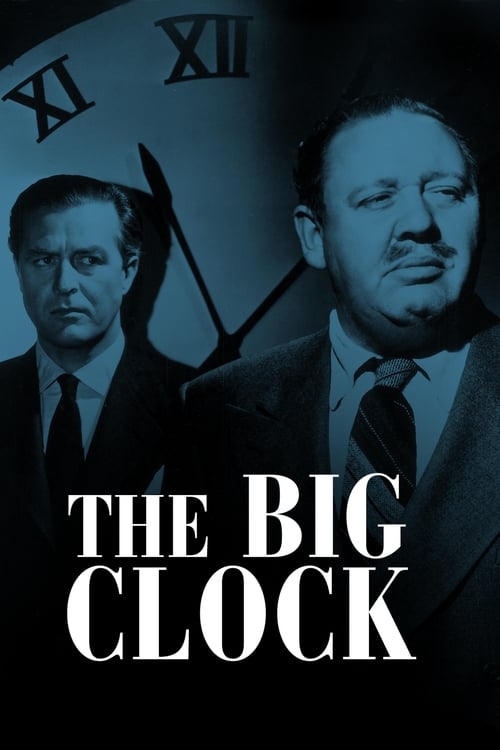
1948
No reviews yet. Be the first to share your thoughts on this movie!
Use the rating form above to leave a star rating and optional review.