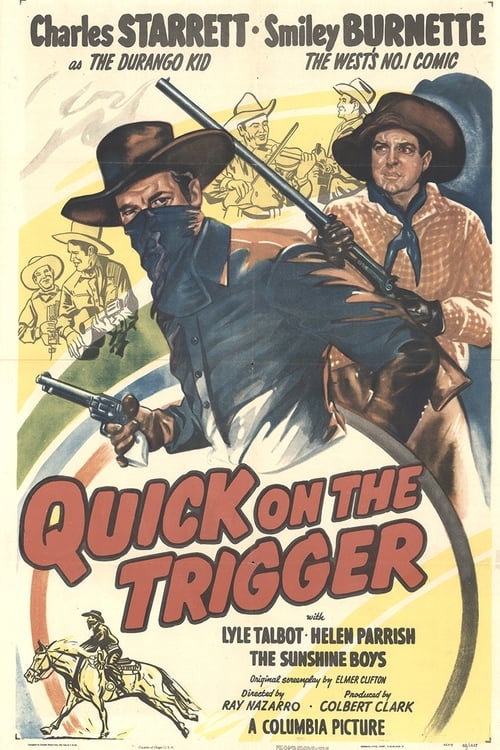
Quick on the Trigger
1948
No user ratings available yet
Diversity score: 1.4 out of 10
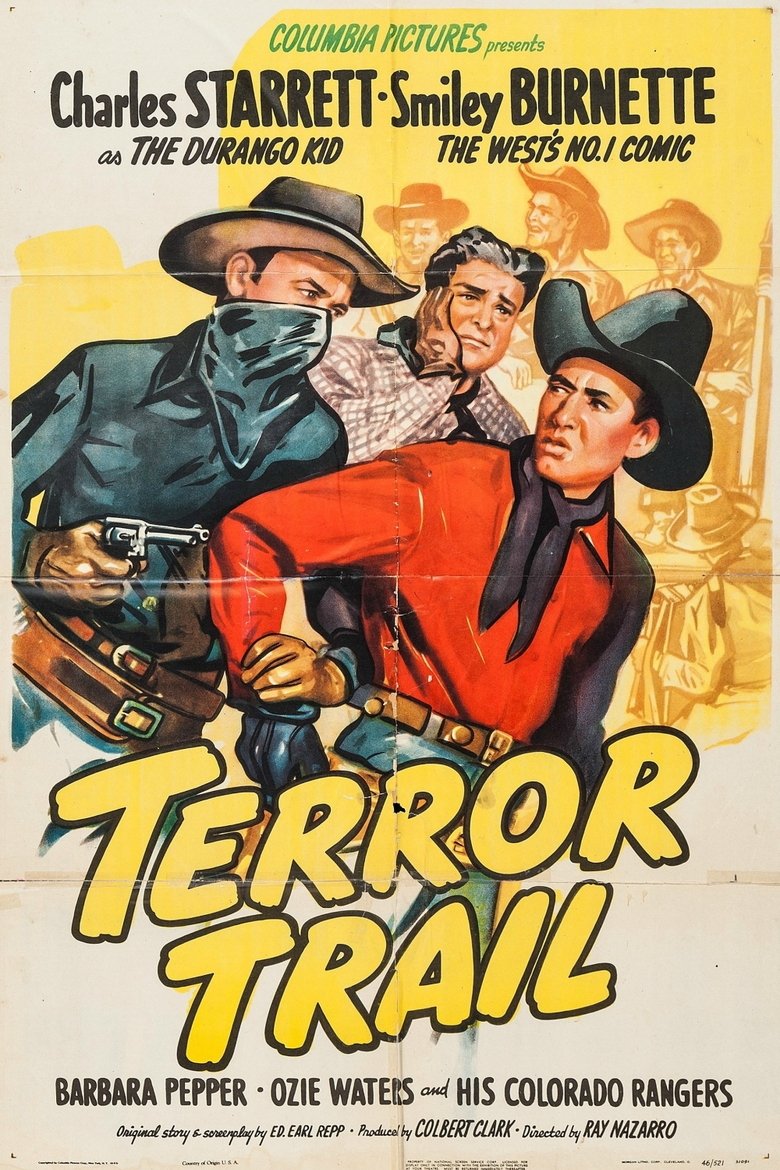
1946
ApprovedDirector
Ray Nazarro
Runtime
57 minutes
Average Rating
No ratings yetSynopsis
The Durango Kid (Charles Starrett) returns to Ret Butte intending to sell his cattle ranch. Saloon owner, Duke Catlett (Lane Chandler) is the secret owner of a sheep flock which graze on the cattle lands--leaving them useless for cattle. A range war looms between the cattlemen and sheepherders.
Overall Score
Limited
Category Breakdown
LGBTQ+ Representation
The film lacks LGBTQ+ characters or narratives that challenge heteronormativity. It adheres to the conventional social structures typical of 1940s Westerns.
Gender Representation
The story centers on masculine conflicts regarding ranching and territorial disputes. The protagonist embodies traditional masculine leadership and physical agency.
Racial & Ethnic Diversity
The narrative is framed through an Anglo-centric lens of land ownership. There is no indication of characters of color possessing significant agency.
Religious & Cultural Diversity
The plot reinforces traditional Western values concerning property rights and individual enterprise. It operates within a standard moral framework of good versus evil.
Disability Representation
There is no mention of characters with visible or invisible disabilities within the narrative.
Strengths
Areas for Improvement
AI Analysis
Terror Trail is a quintessential mid-century B-Western that prioritizes genre tropes over social complexity. The plot focuses on a range war between cattlemen and sheepherders, centering the conflict on land ownership and masculine authority. The film reinforces established social hierarchies of the 1940s. It offers a narrow perspective that emphasizes traditional Western values and clear-cut moral binaries, providing little room for diverse identities or non-traditional perspectives. Ultimately, the film serves as a standard representation of its era, adhering to the period's cinematic norms without attempting to subvert or expand upon the existing social order.
1948

1946
1946
1946
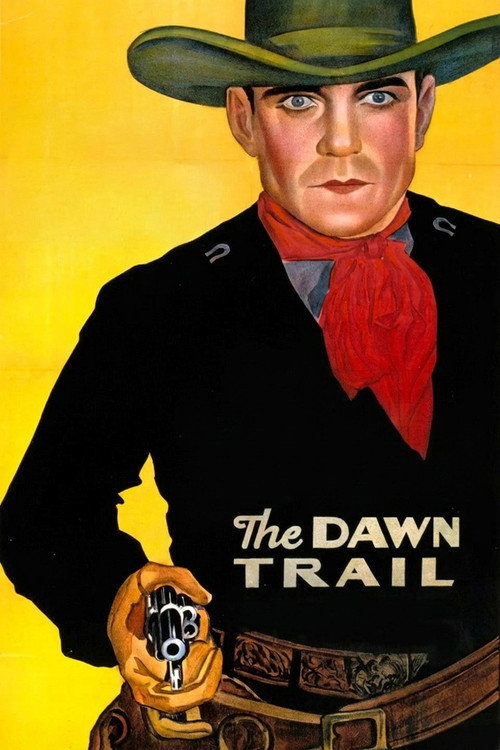
1930
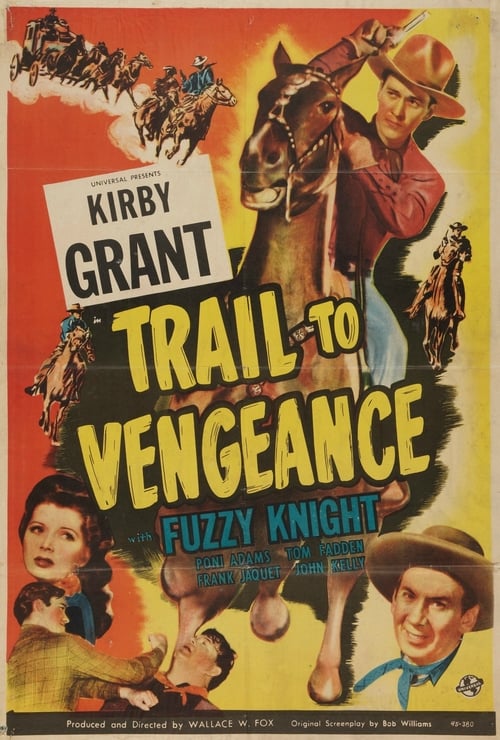
1945
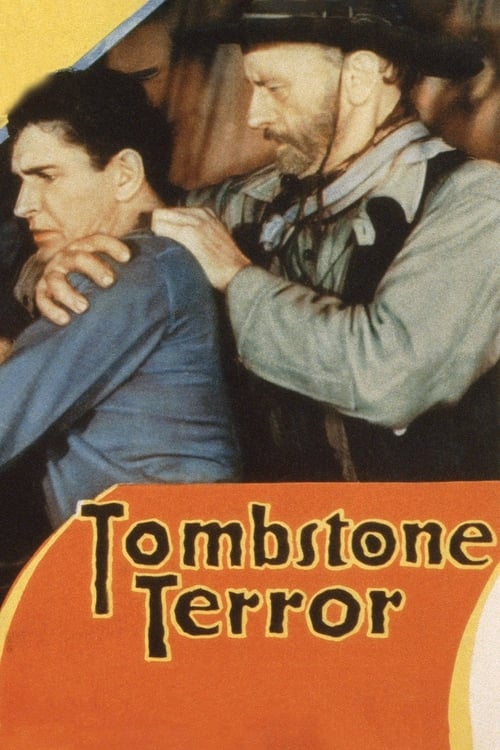
1935
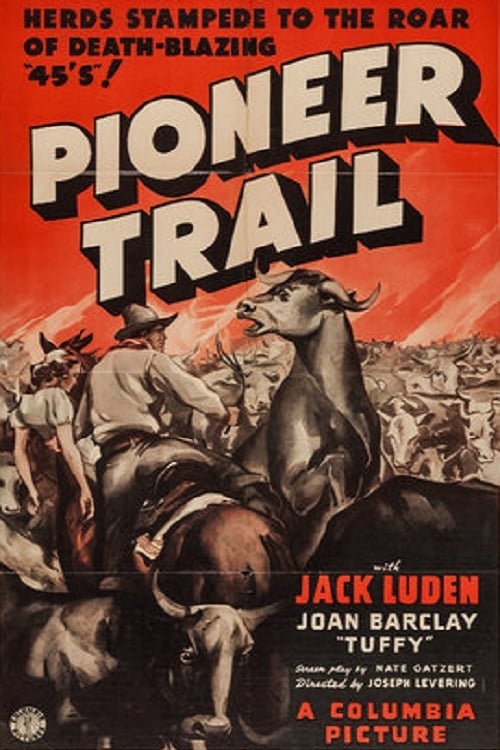
1938

1938
1938
1948
1950
No reviews yet. Be the first to share your thoughts on this movie!
Use the rating form above to leave a star rating and optional review.