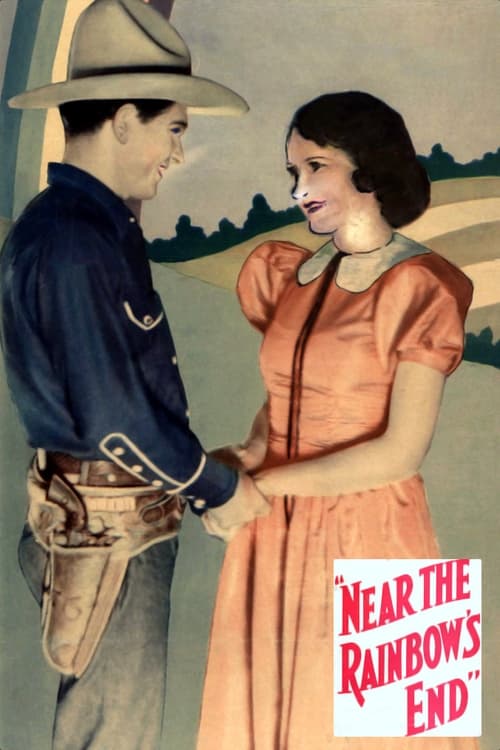
Near the Rainbow's End
1930
No user ratings available yet
Representation score: 1.1 out of 10
Representation Score
Minimal
1930
PassedDirector
Christy Cabanne
Runtime
66 minutes
Average Rating
No ratings yetNew Showbiz Analysis
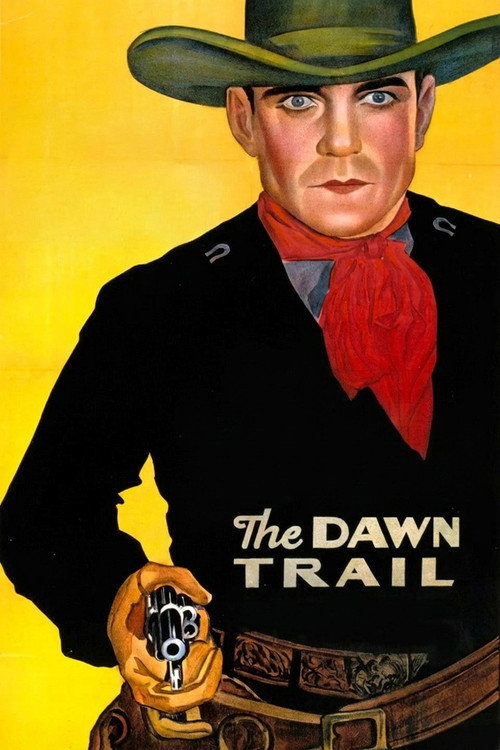
The Dawn Trail is a conventional Western that adheres to the genre clichés of the early 1930s. It emphasizes linear moral structures and traditional frontier conflicts over any systemic narrative deconstruction. The film centers on a conflict between cattlemen and sheepherders, highlighting themes of law, personal loyalty, and individual honor. These elements reinforce established social hierarchies rather than challenging them. Overall, the production offers little disruption to the demographic status quo, focusing on Anglo-centric expansion and traditional gender and social roles.
Category Breakdown
The film does not include any LGBTQ+ characters or narratives. The central romantic tension revolves around the engagement between the sheriff and the protagonist's sister.
Gender roles in the film follow traditional hierarchies. Male characters are the primary drivers of violence and authority, while June serves as an emotional link.
The narrative focuses on a homogeneous group of settlers. Despite the Osage County setting, there is no evidence of indigenous perspectives or non-white character's ability to drive the story.
The story explores traditional Western morality through themes of duty and honor. It focuses on the friction between competing economic interests like cattlemen and sheepherders.
There is no information available regarding the depiction of physical or neurodivergent disabilities in this film.
Present on Screen
Limited or Absent
Official Synopsis
Dissension arises between cattlemen in Osage County, Texas, and sheepherders who have settled there and use the same watering stream. Mart Dalton, son of a wealthy cattleman, quarrels with and kills one of the settlers, thus placing sheriff Larry Williams in a delicate position; for he is Mart's best friend and is engaged to Mart's sister June. However, sworn to do his duty, he arrests Mart, incensing the cattlemen, who help Mart escape, leaving Larry wounded.
1930
1940
1934
1930
1930
1943

1930
1930
No reviews yet. Be the first to share your thoughts on this movie!
Use the rating form above to leave a star rating and optional review.