In Early Arizona
1938
No user ratings available yet
Diversity score: 2.7 out of 10

1938
ApprovedDirector
Joseph Levering
Runtime
59 minutes
Average Rating
No ratings yetSynopsis
Heading up the Chisholm Trail with a small herd and just a few men, Breezy has his cattle rustled by Curley and his gang. Returning to Texas, Breezy convinces the ranchers to send their cattle north in one big herd guarded by a lot of men. Outnumbered, Curley has a plan to get the cattle.
Overall Score
Limited
Category Breakdown
LGBTQ+ Representation
The film focuses on a masculine-coded struggle between cattlemen and rustlers. There is no evidence of non-heteronormative identities or critiques of heteronormativity.
Gender Representation
Agency is concentrated entirely within male characters like Breezy and Curley. This suggests a traditional hierarchy where women likely occupy passive or domestic roles.
Racial & Ethnic Diversity
The narrative follows a settler-colonial framework typical of 1938 Westerns. It lacks specific evidence of diverse casting or race-bent roles.
Religious & Cultural Diversity
The story reinforces traditional Western values regarding property ownership and ranching. It emphasizes communal defense and the protection of established economic institutions.
Disability Representation
There is no indication that disability or neurodivergence serves as a narrative element. No characters are identified by such traits.
Strengths
Areas for Improvement
AI Analysis
Pioneer Trail is a conventional Western that prioritizes traditional genre tropes over social exploration. The plot centers on property rights and territorial disputes, specifically the protection of livestock along the Chisholm Trail. The film reinforces established social and gender hierarchies. It functions as a standard B-movie of its era, focusing on physical strength and the defense of economic assets rather than intersectional perspectives. Ultimately, the narrative architecture adheres to the period's standard, offering a homogeneous view of the frontier that lacks significant diversity or disruption of the status quo.
1938
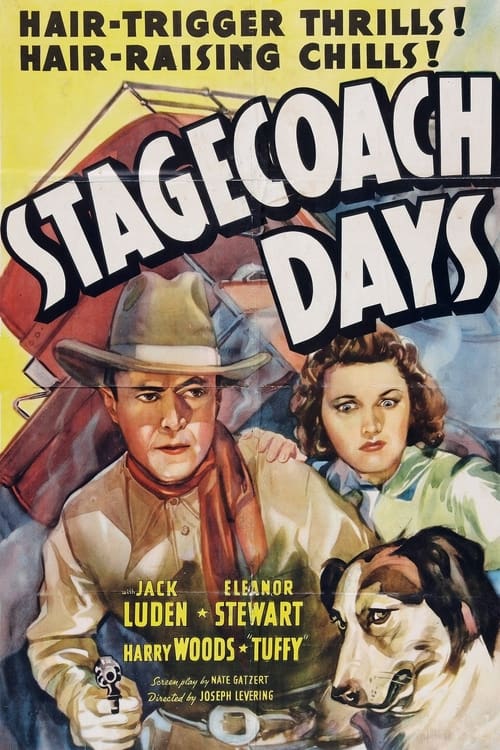
1938
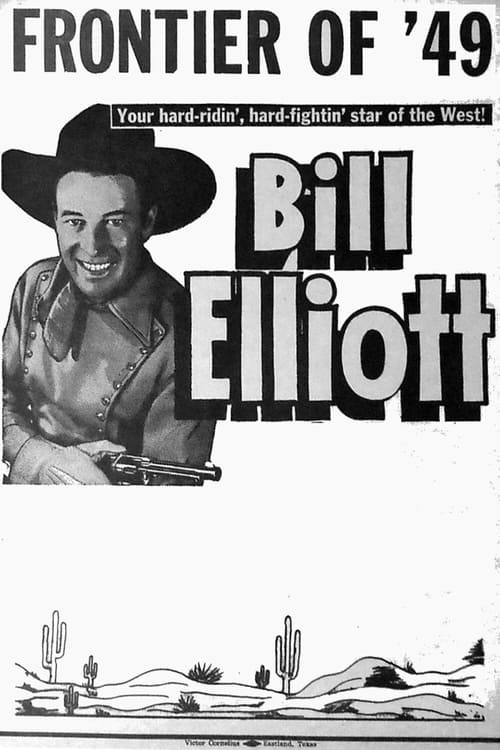
1939
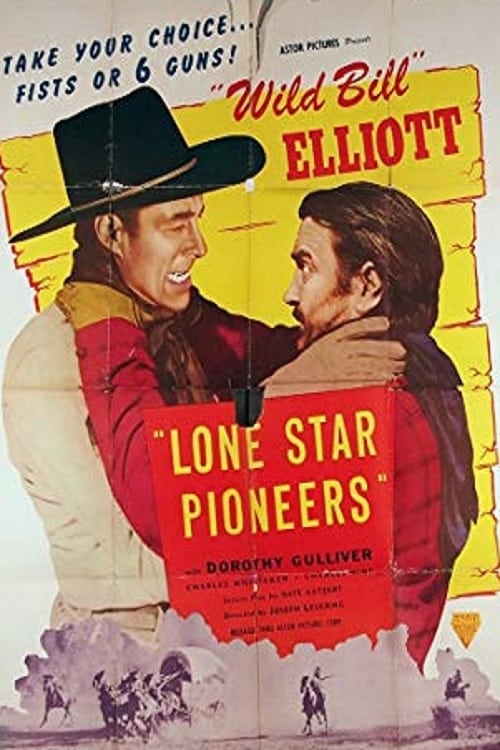
1939
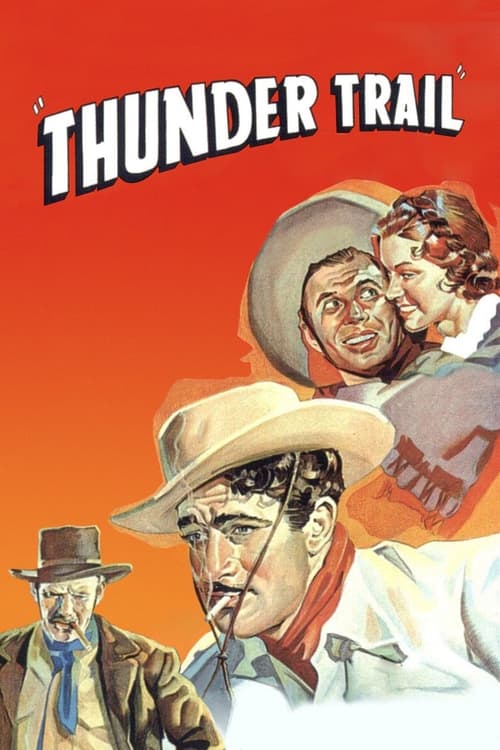
1937
1946
1948
1947

1944
1944
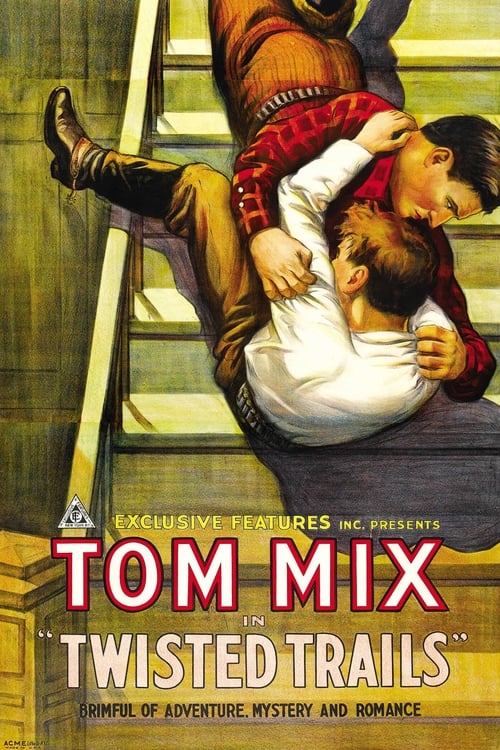
1916
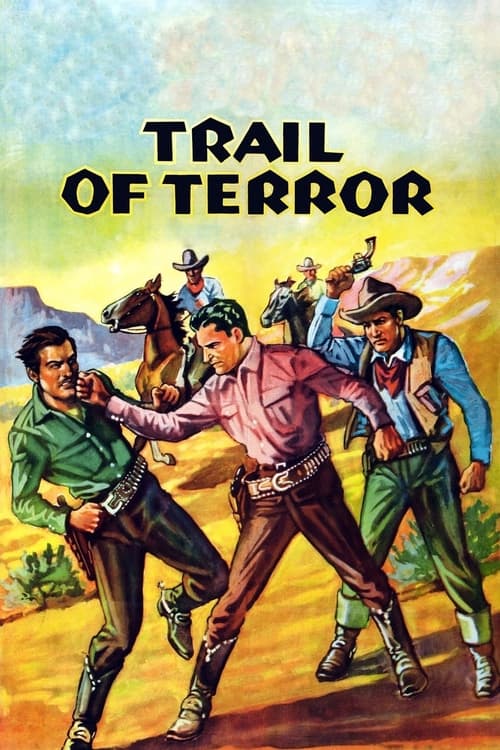
1935
No reviews yet. Be the first to share your thoughts on this movie!
Use the rating form above to leave a star rating and optional review.