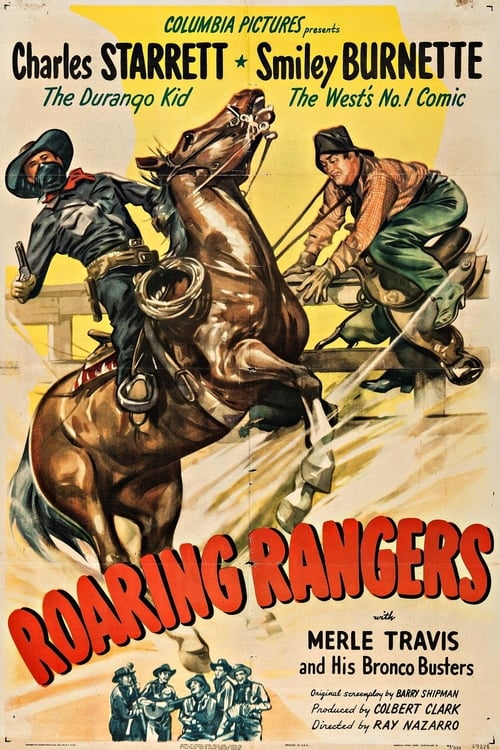
Roaring Rangers
1946
No user ratings available yet
Representation score: 1.1 out of 10

Representation Score
Minimal
1946
ApprovedDirector
Ray Nazarro
Runtime
54 minutes
Average Rating
No ratings yetNew Showbiz Analysis
Gunning for Vengeance is a product of its time, strictly adhering to the standardized narrative structures of 1940s B-movie Westerns. The film emphasizes traditional masculine archetypes and binary morality, focusing on the conflict between the Durango Kid and the new Marshal. Representation is limited, as the story centers on established genre clichés and the maintenance of the social contract. While Belle provides a female presence, her role is defined by her antagonism rather than structural leadership. Ultimately, the film offers little disruption to the social hierarchies of the mid-1940s, functioning as a traditionalist piece of genre cinema.
Category Breakdown
The film follows a traditional Western framework and does not depict any non-binary gender identities or same-sex relationships.
Belle, a saloon owner, holds local influence but acts as an antagonist. The story revolves around male archetypes of law enforcement and vigilantism.
The film uses a homogeneous cast typical of its era. Characters of color are not shown with significant roles or influence.
The story upholds mid-century American ideals of justice and civic duty, focusing on restoring order through the authority of the Marshal.
The film does not include any characters with visible or invisible disabilities.
Present on Screen
Limited or Absent
Official Synopsis
Steve Landry arrives as the new Marshal of a town that is having trouble with outlaws. When an outlaw escapes over the State line out of his jurisdiction, the Durango Kid brings him in. The Durango Kid then continues to break up the outlaw raids. But Belle, the saloon owner who is in cahoots with the outlaws, notices the the boot prints of the Durango Kid match those of the new Marshal and a trap is sent to get Durango.
1946

1945

1944
1946
1947
1949
1945
1945
No reviews yet. Be the first to share your thoughts on this movie!
Use the rating form above to leave a star rating and optional review.