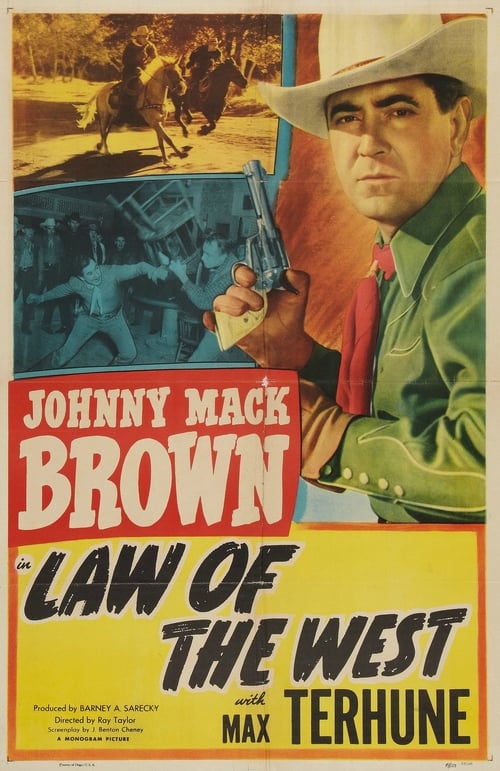
Law of the West
1949
No user ratings available yet
Diversity score: 1.4 out of 10

1948
ApprovedDirector
Ray Taylor
Runtime
56 minutes
Average Rating
No ratings yetSynopsis
Ann and Tom Howard arrive from the east to take up ranching. But Tom wants to return and forges his sister's name to the deed and sells it to Larson. Eddie knows there is silver ore in the area and that Lawson, who killed the Sheriff, is out to get all the ranches. When Lawson appoints himself the new Sheriff, Eddie organizes the ranchers to fight Lawson and his men.
Overall Score
Limited
Category Breakdown
LGBTQ+ Representation
The film lacks any indication of non-heteronormative identities or same-sex intimacy. The narrative focuses strictly on familial and property-based conflicts.
Gender Representation
Female characters like Ann and Tom's sister appear, but they serve primarily as secondary plot devices. Agency is concentrated in male characters like Eddie and Lawson.
Racial & Ethnic Diversity
The story centers on a conflict between settlers and local antagonists. There is no mention of non-Anglo-Saxon characters or a diverse cast.
Religious & Cultural Diversity
The film engages with traditional Western values regarding ranching and property rights. It follows classic frontier morality rather than critiquing Western institutions.
Disability Representation
There is no evidence regarding the portrayal of physical or neurodivergent disabilities within the narrative.
Strengths
Areas for Improvement
AI Analysis
The Westward Trail is a quintessential mid-century Western that adheres strictly to the genre conventions of its era. The plot revolves around land ownership, frontier justice, and the struggle between ranching families and lawless opportunists. Representation is heavily skewed toward traditional social hierarchies. The narrative is driven by male characters, while women function as secondary figures or catalysts for male-driven plot points. The lack of diverse ethnic or LGBTQ+ presence reflects the homogeneous depiction of the American frontier common in 1948. Ultimately, the film prioritizes standard Western tropes over any attempt at subverting historical norms or providing intersectional perspectives.
1949
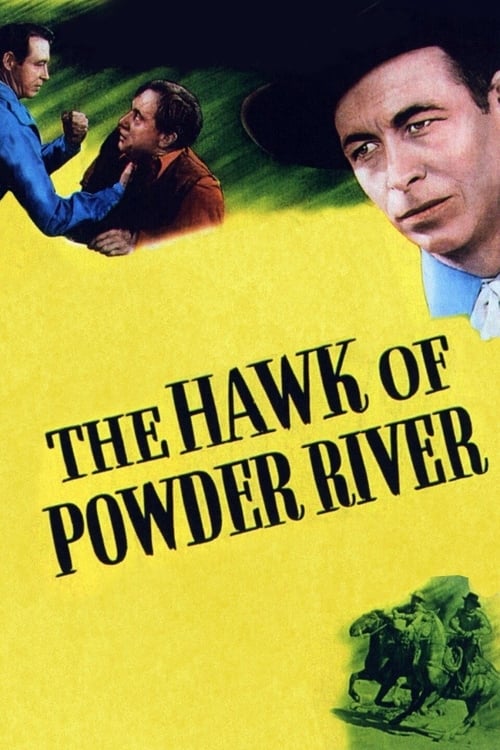
1948
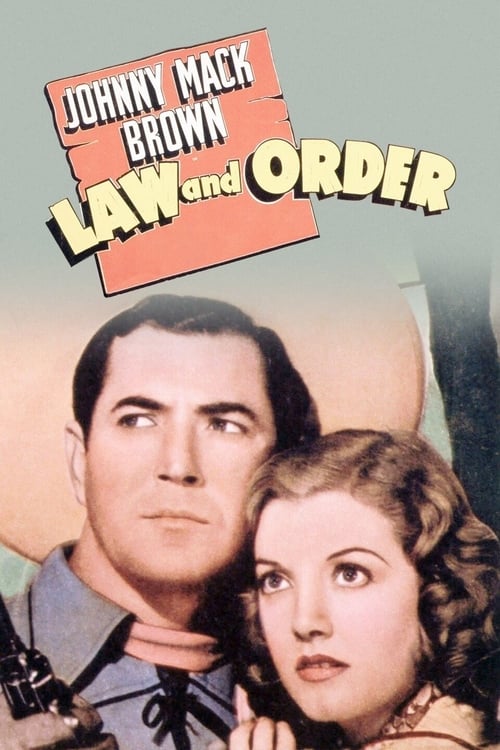
1940
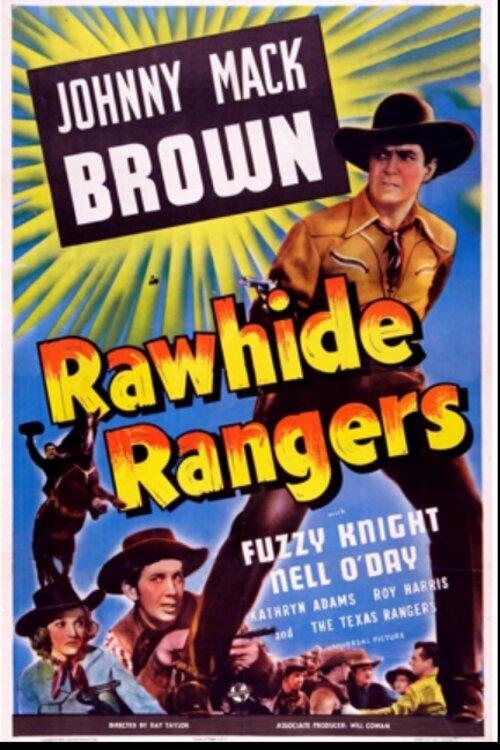
1941
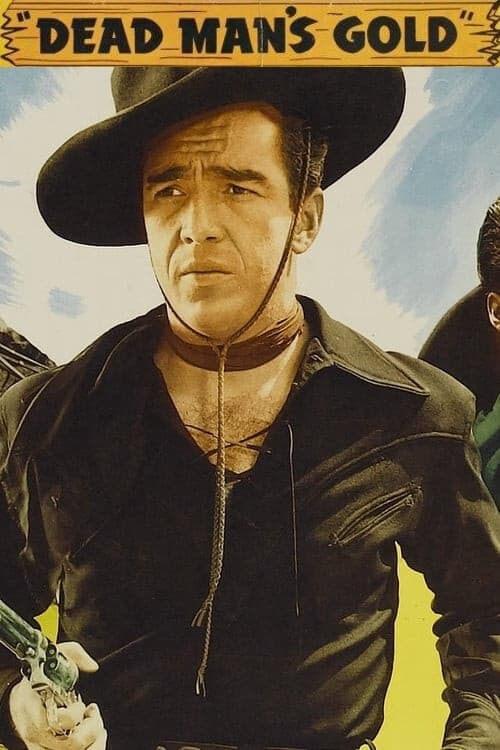
1948

1947
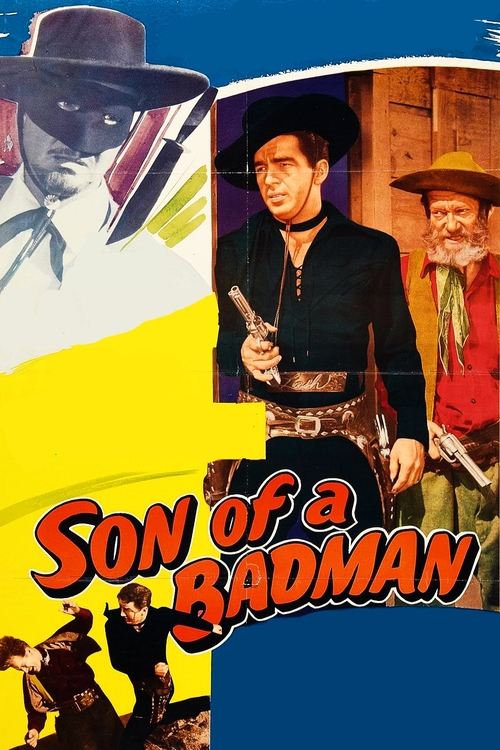
1949
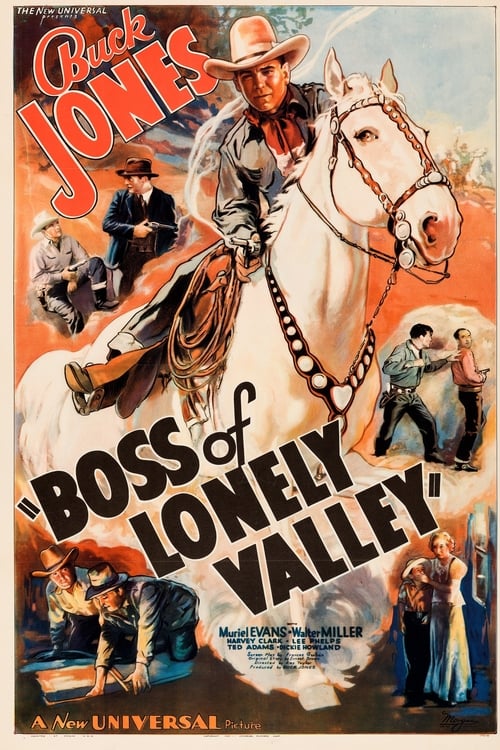
1937
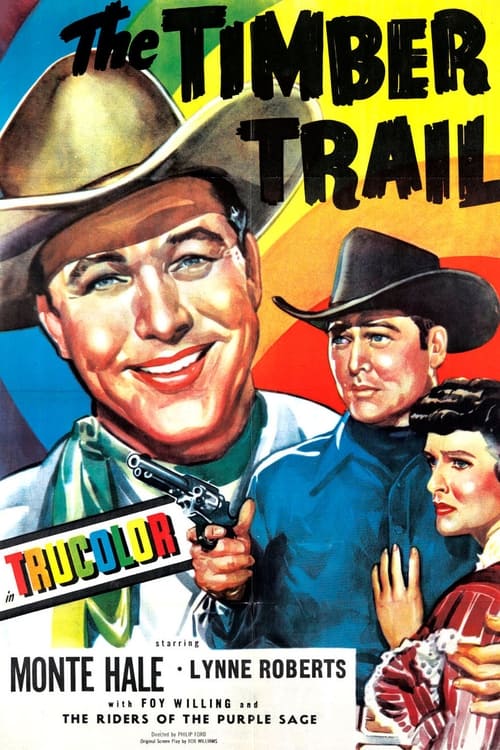
1948
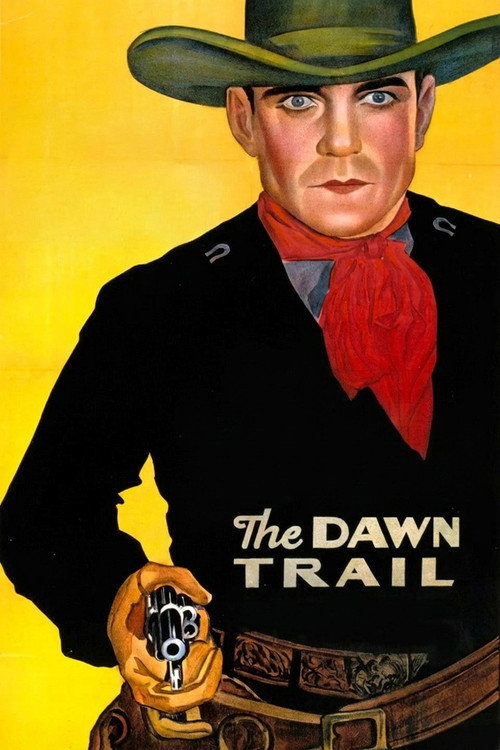
1930
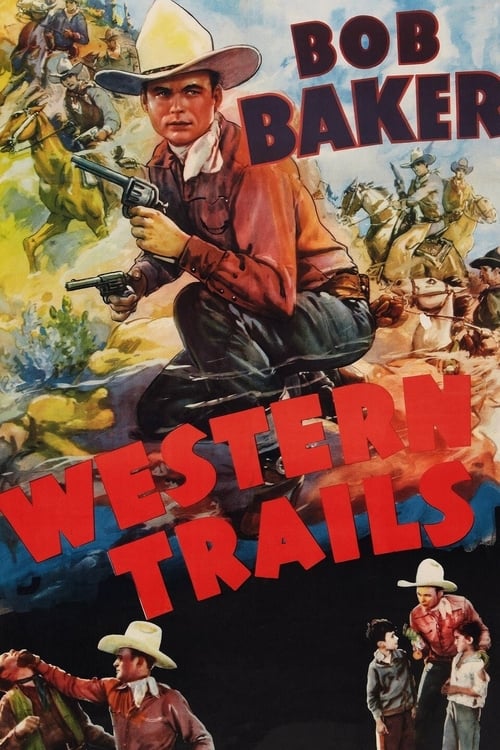
1938
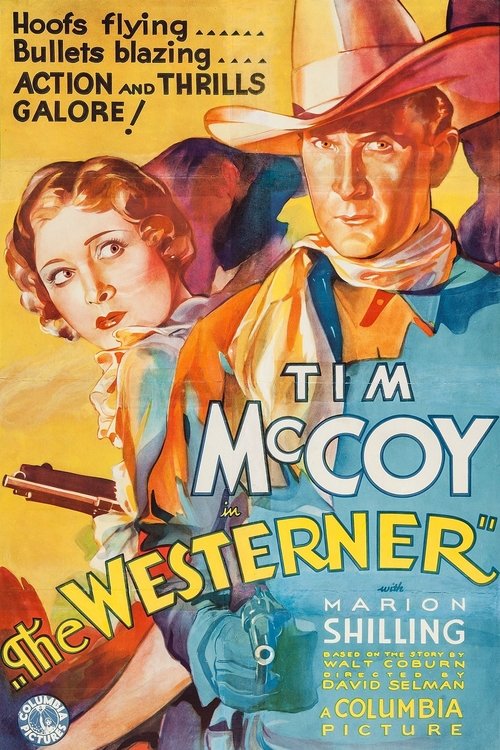
1934
No reviews yet. Be the first to share your thoughts on this movie!
Use the rating form above to leave a star rating and optional review.