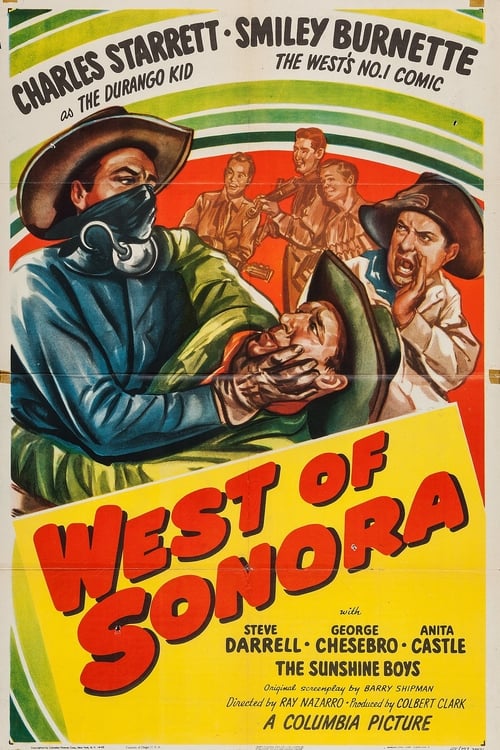
West of Sonora
1948
No user ratings available yet
Diversity score: 1.3 out of 10

1946
ApprovedDirector
Ray Nazarro
Runtime
54 minutes
Average Rating
No ratings yetSynopsis
Dakota Indian Agent Steve Reynolds receives a copy of the Bonanza City Nuggett from Jim Mallory and reads a story blaming the Durango Kid for recent gold mine raids.
Overall Score
Limited
Category Breakdown
LGBTQ+ Representation
The film operates within a strictly heteronormative framework. There is no presence of non-cisnormative gender identities or same-sex intimacy.
Gender Representation
Character agency is concentrated in male protagonists who drive the action and leadership. Women are relegated to supporting or domestic roles.
Racial & Ethnic Diversity
The narrative focuses on the settler experience and utilizes standard Western tropes. Indigenous peoples are likely portrayed through reductive archetypes.
Religious & Cultural Diversity
The story emphasizes frontier justice and westward expansionist ideals. It reinforces conventional views of Western institutions and communal stability.
Disability Representation
There is no evidence of characters defined by physical or neurodivergent disabilities. No such portrayals serve as narrative devices.
Strengths
Areas for Improvement
AI Analysis
Heading West is a conventional 1940s Western that prioritizes genre archetypes over social complexity. The film functions as a reflection of mid-century norms, adhering to established power dynamics and traditional character roles. The narrative lacks any engagement with queer themes or intersectional identities. It relies on a homogeneous social structure that centers the pioneer experience while offering little nuance to marginalized groups. Ultimately, the film reinforces the status quo of its era. It avoids subverting gender hierarchies or deconstructing the traditional morality often found in frontier stories.
1948

1952
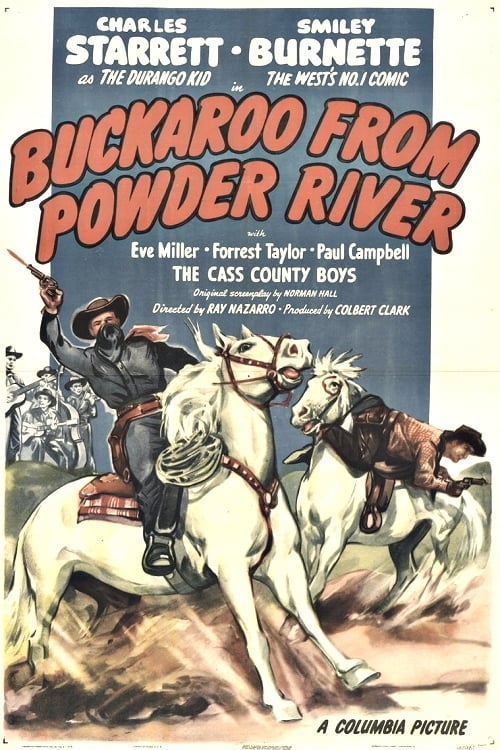
1947
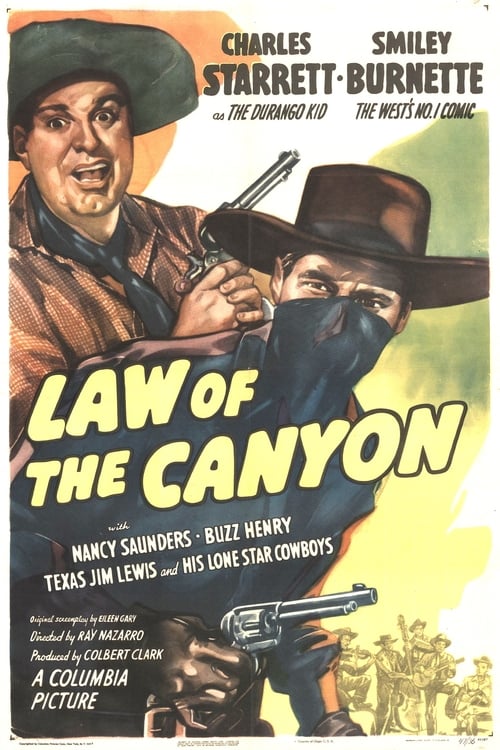
1947

1946
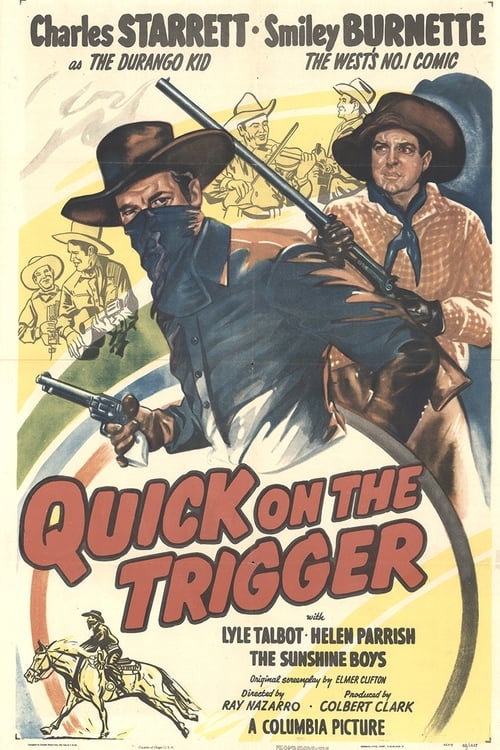
1948
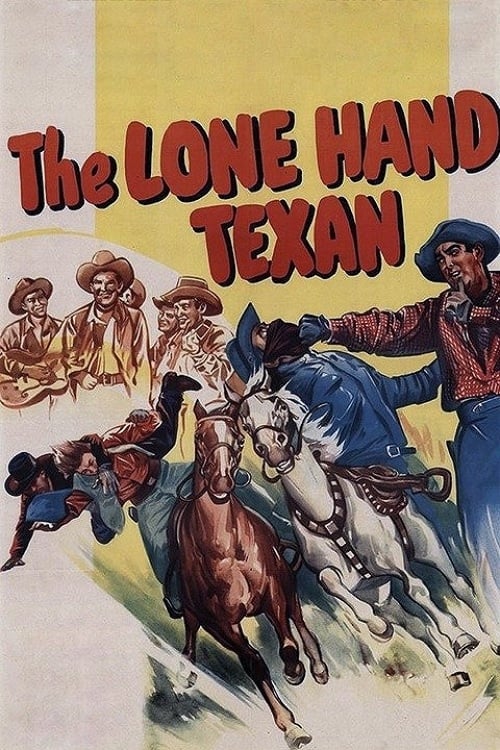
1947
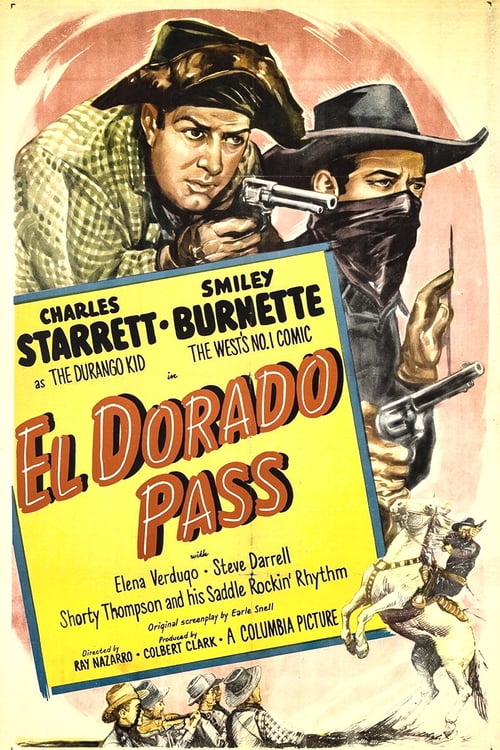
1948
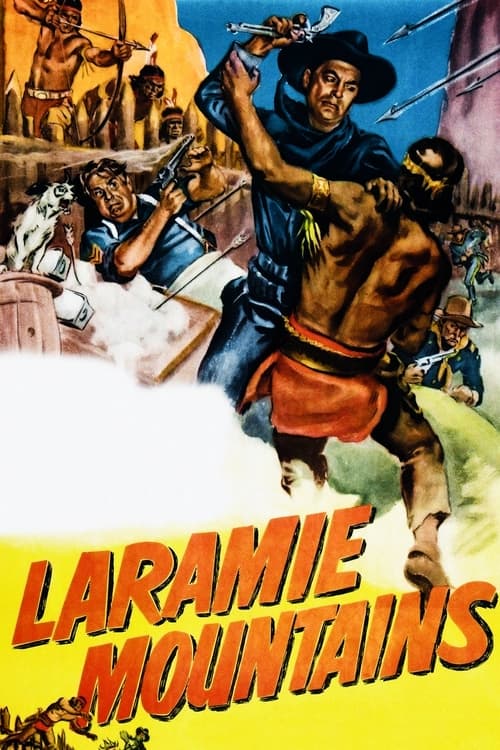
1952
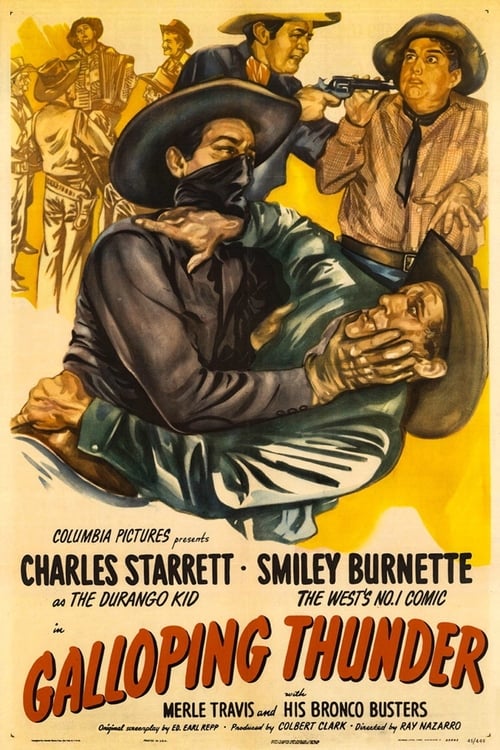
1946
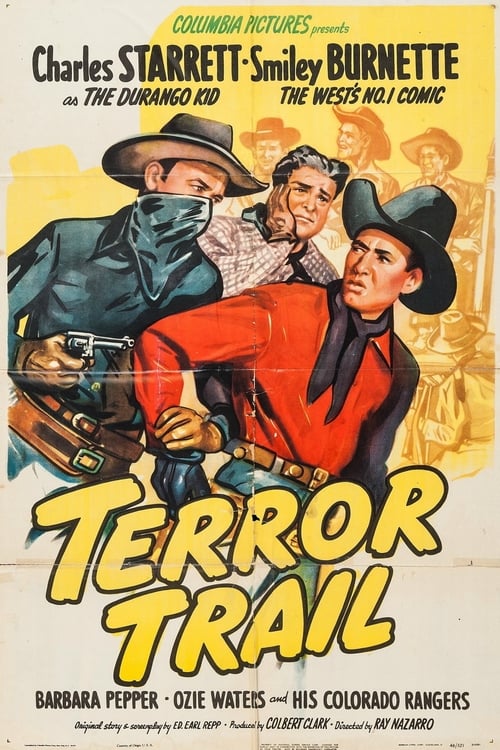
1946
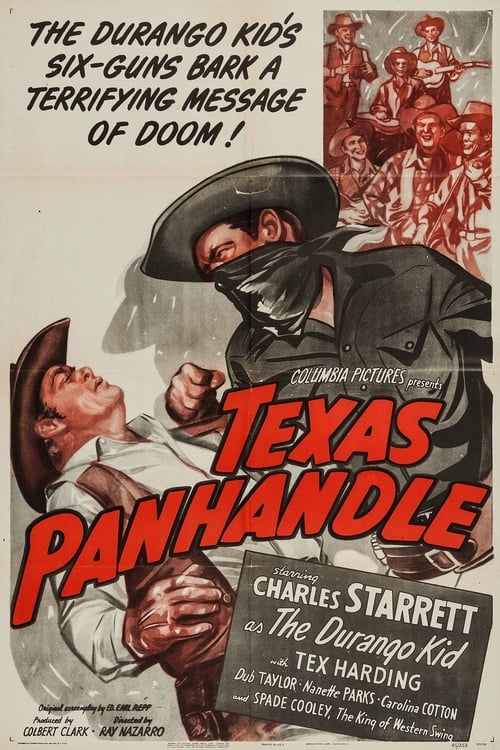
1945
No reviews yet. Be the first to share your thoughts on this movie!
Use the rating form above to leave a star rating and optional review.