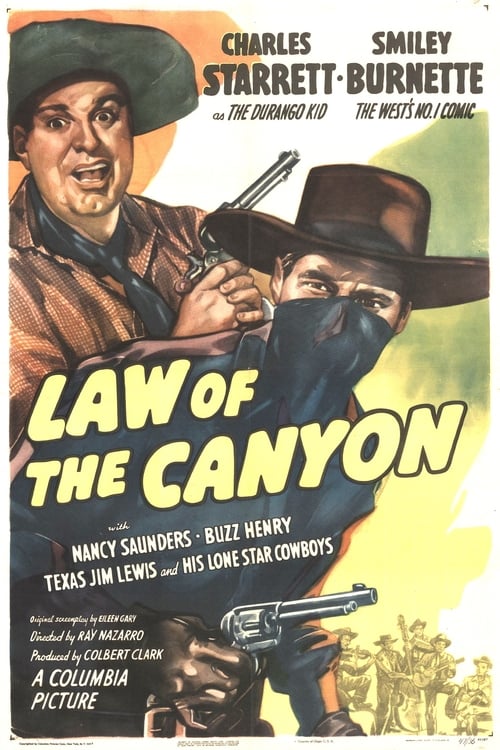
Law of the Canyon
1947
No user ratings available yet
Diversity score: 1.2 out of 10

1948
ApprovedDirector
Ray Nazarro
Average Rating
No ratings yetSynopsis
Quick on the Trigger was Charles Starrett's second "Durango Kid" picture for 1949. It all begins when ousted sheriff Steve Warren (Starrett) is put on trial for the murder of heroine Nora Reed's (Helen Parrish) brother. Steve is innocent, of course, but he doesn't stand a chance against prosecuting attorney Garvey Yager (Lyle Talbot) -- especially since Yager is the real killer.
Overall Score
Minimal
Category Breakdown
LGBTQ+ Representation
The film lacks any depiction of non-heteronormative identities or queer subtext. The narrative focus remains entirely on heterosexual romantic interests and traditional masculine camaraderie.
Gender Representation
The film reinforces traditional gender hierarchies. While Nora Reed serves as a plot catalyst, her agency is largely reactive within a male-centric conflict.
Racial & Ethnic Diversity
The film features a homogeneous cast typical of 1948 B-Westerns. There is no evidence of intersectional casting or visible racial complexity in the frontier narrative.
Religious & Cultural Diversity
The story emphasizes traditional Western values like law and individual innocence. It promotes a singular moral clarity without critiquing systemic foundations.
Disability Representation
There are no recorded instances of characters with visible or invisible disabilities. Disability is not utilized as a narrative device in this production.
Strengths
Areas for Improvement
AI Analysis
Quick on the Trigger is a quintessential B-Western that adheres strictly to the social hierarchies of the late 1940s. The narrative functions as a traditional morality play, focusing on the vindication of a wrongly accused hero through frontier justice. The film prioritizes clear-cut heroism and conventional social roles. It relies on established genre tropes where agency is concentrated within a masculine archetype, leaving little room for diverse perspectives or subversions of the era's norms. Ultimately, the production serves as a historical baseline for mid-century genre filmmaking. It reinforces the period's established cultural archetypes rather than attempting to deconstruct or expand upon them.
1947
1953
1948
1947
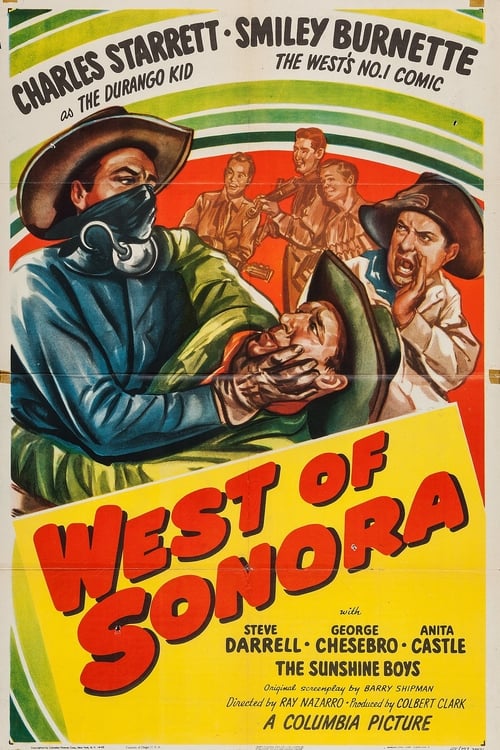
1948
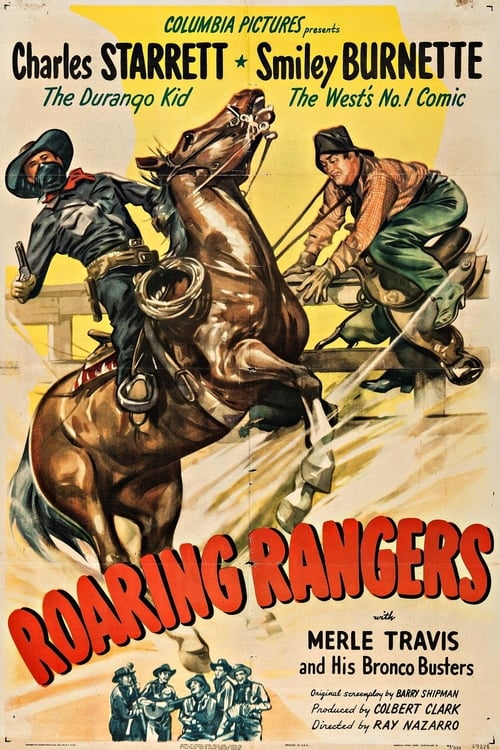
1946
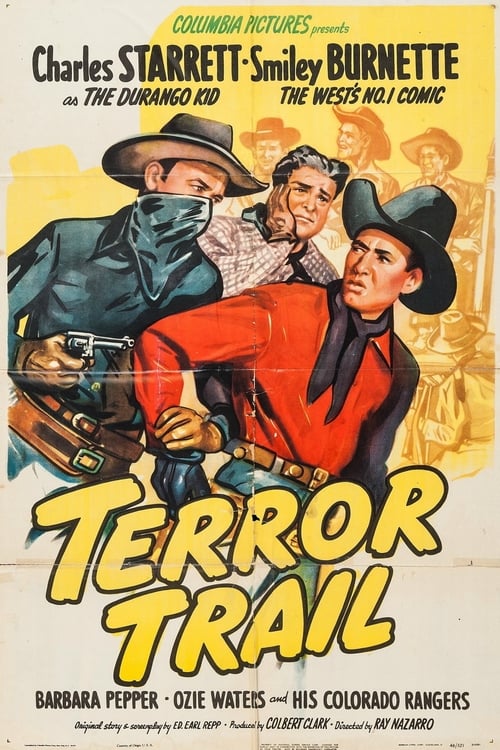
1946
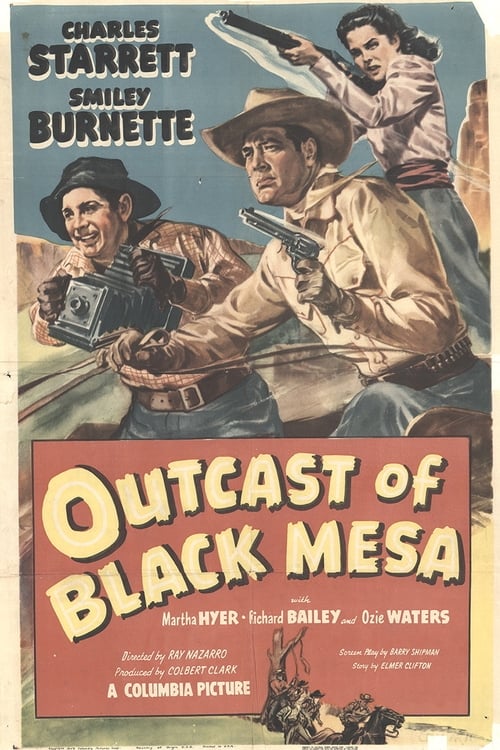
1950
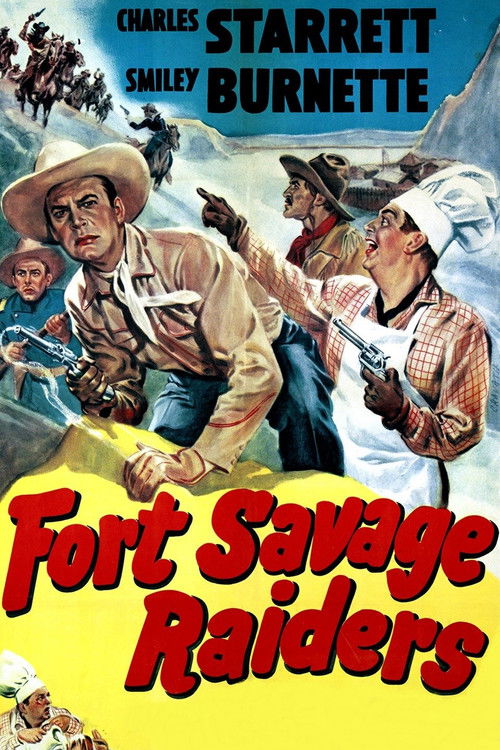
1951

1946
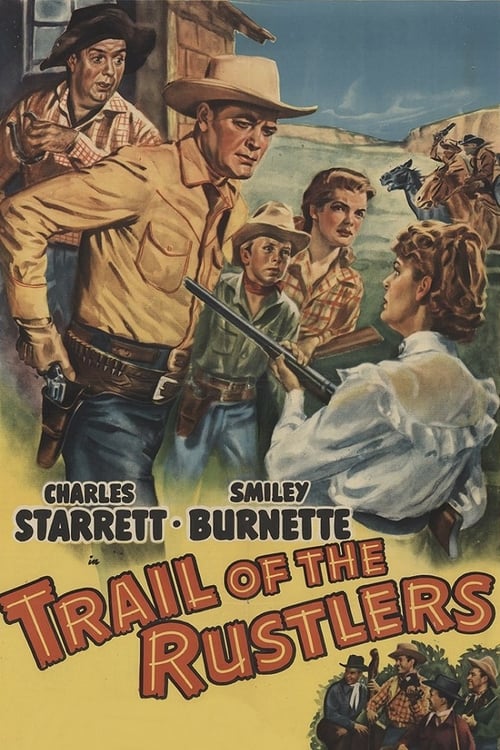
1950
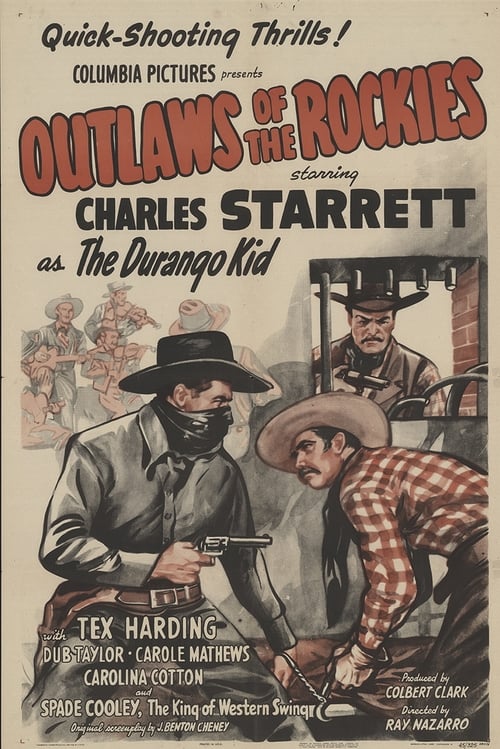
1945
No reviews yet. Be the first to share your thoughts on this movie!
Use the rating form above to leave a star rating and optional review.