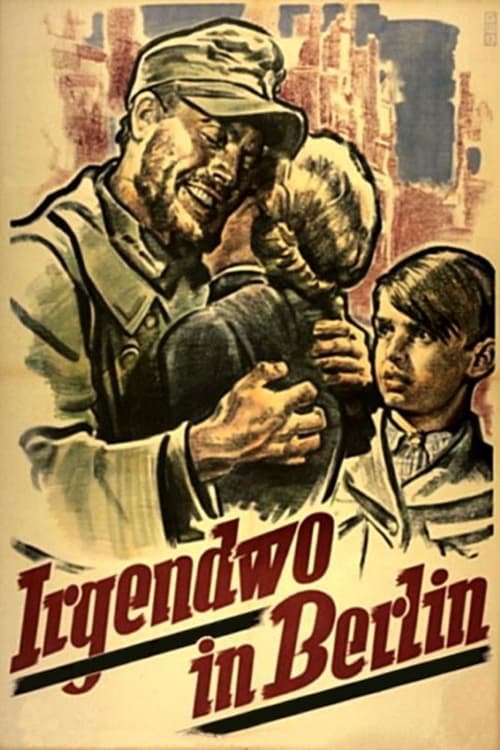
Somewhere in Berlin
1946
No user ratings available yet
Diversity score: 5.1 out of 10
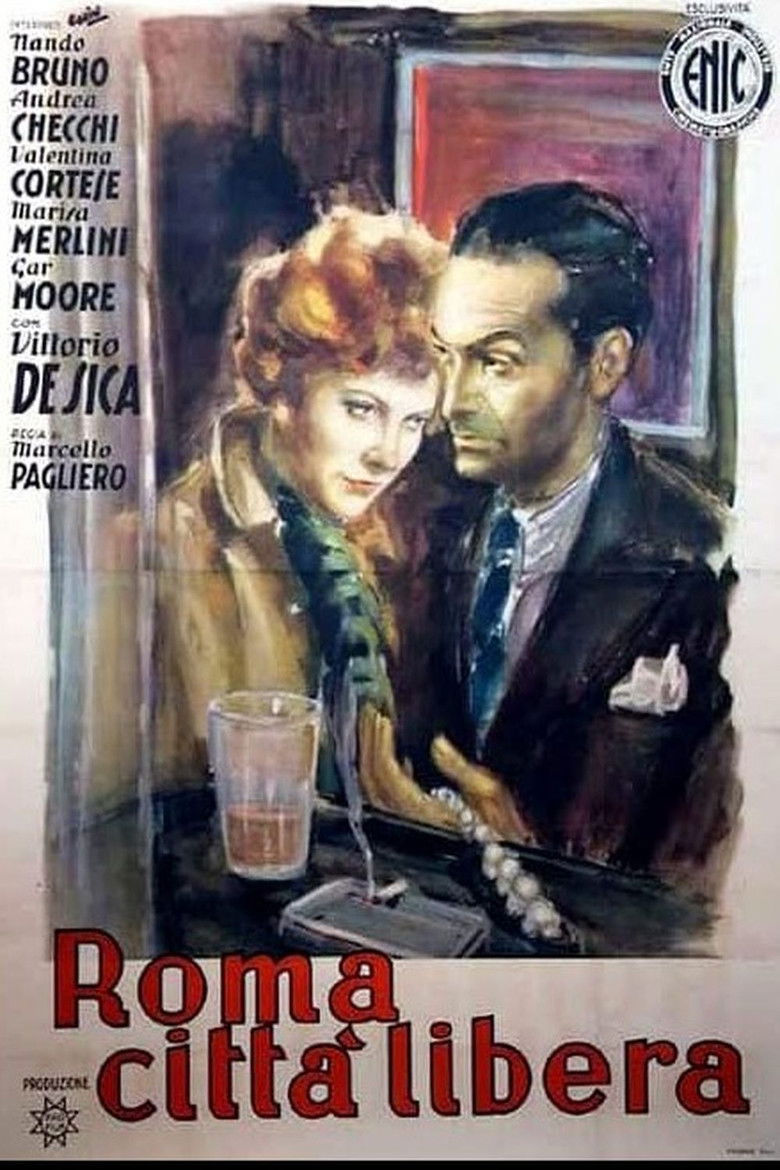
1946
Director
Marcello Pagliero
Runtime
81 minutes
Average Rating
No ratings yetSynopsis
In a post-war Rome (1946) a cat burglar inadvertently saves the life of a would-be suicide man who returns from the war to find that he has been betrayed by his fiancée while fighting in the war. From that moment the thief takes the ex-soldier under his wing. They leave house together for a night full of misadventures. In a streets of Rome they meet the struggling typist who can’t pay her rent and opts to street life; a wandering amnesiac who lost his memory and keeps asking everyone “Do you recognize me?”. Thieves, gamblers, hookers, policemen, soldiers and endless chain of cigarette-smoking and alcohol/espresso-drinking.
Overall Score
Fair
Category Breakdown
LGBTQ+ Representation
The film lacks explicit depictions of LGBTQ+ identities or non-heteronormative relationships. The central bond between the thief and the ex-soldier does not provide enough evidence to qualify as a queer narrative.
Gender Representation
A struggling typist provides a departure from domestic archetypes by choosing street life for survival. However, the narrative lacks broader depth for female characters to achieve a higher score.
Racial & Ethnic Diversity
The film captures a textured, populist Roman landscape rather than an upper-class one. While it lacks explicit non-white character details, it focuses on a diverse urban tapestry of marginalized citizens.
Religious & Cultural Diversity
The narrative critiques failing institutions by focusing on survival and systemic instability. It deconstructs idealized post-war reconstruction through a lens of vice, gambling, and moral relativity.
Disability Representation
A wandering amnesiac introduces themes of cognitive and psychological vulnerability. This character serves as a window into the widespread psychological trauma of the post-war era.
Strengths
Areas for Improvement
AI Analysis
Rome: Free City operates as a Neorealist study of post-war survival, prioritizing the lived experiences of the marginalized over idealized social structures. It succeeds in deconstructing traditional hierarchies by centering on characters like thieves, amnesiacs, and struggling workers. However, the film's diversity is limited by a lack of explicit representation for LGBTQ+ identities and a narrow focus on the localized Roman demographic. While it captures the grit of the urban underclass, it lacks broader character depth for women and explicit racial diversity. Ultimately, the film is a sophisticated critique of systemic failure, using the chaos of the city to highlight the vulnerability of those left behind by traditional institutions.
1946

1944

2001

1949
1966
1958

1974
1961

1950

1970

1954

2005
No reviews yet. Be the first to share your thoughts on this movie!
Use the rating form above to leave a star rating and optional review.