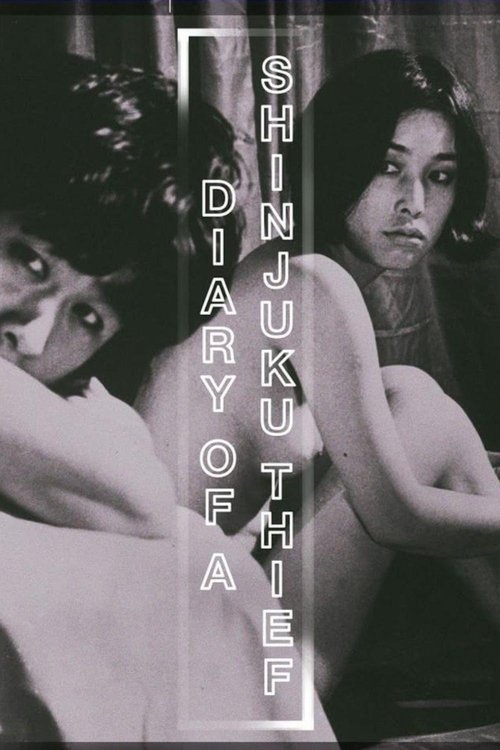
Diary of a Shinjuku Thief
1969
No user ratings available yet
Representation score: 7.4 out of 10
Representation Score
Excellent
1958
Director
Shōhei Imamura
Runtime
101 minutes
Average Rating
No ratings yetNew Showbiz Analysis
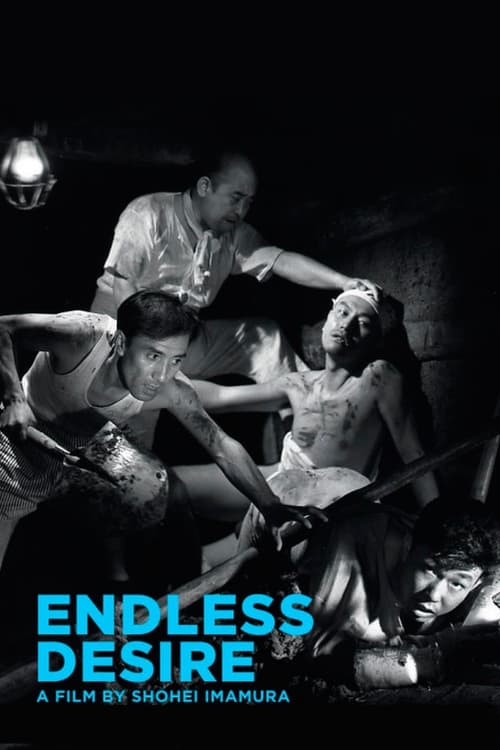
Shōhei Imamura’s direction offers a humanist perspective that centers on those typically sidelined by society. By focusing on characters who challenge conventional morality, the film dismantles established social hierarchies and institutional norms. The narrative effectively critiques societal stability, using a post-war backdrop to question economic and social structures. It replaces traditional moral frameworks with an unfiltered exploration of human nature and survival. However, the film does not explicitly represent diverse identities, such as LGBTQ+ characters or individuals with disabilities. The cast’s homogeneity limits its appeal to broader audiences with varied ethnic or neurodivergent backgrounds.
Category Breakdown
The film examines complex relationships and intense desires among a small group. Although specific LGBTQ identities are not mentioned, the story hints at breaking away from strict sexual norms.
A woman is featured in a tough survival scenario alongside four men. This portrayal contrasts with earlier views of submissive femininity by giving her a strong role in a challenging situation.
The cast is predominantly Japanese, focusing on the post-war experience rather than showcasing multiple ethnicities. The film highlights the local context without broadening its scope to include various ethnic backgrounds.
The storyline dismisses traditional family and religious morals, emphasizing a raw, secular outlook. Characters embody a cynical, anti-institutional worldview, rejecting conventional moral frameworks.
The film does not depict physical or cognitive disabilities. Instead, it emphasizes psychological tension and character interactions.
Present on Screen
Limited or Absent
Official Synopsis
Set in post-war Japan, a group of five, four men and one woman, gathers in the basement of a butcher shop to dig up a cache of morphine buried during the war. A grimly humorous tale of twisted relationships as one by one each of the group is eliminated.
1969
1959

1992

1973
1968

2018
1959
1964
No reviews yet. Be the first to share your thoughts on this movie!
Use the rating form above to leave a star rating and optional review.