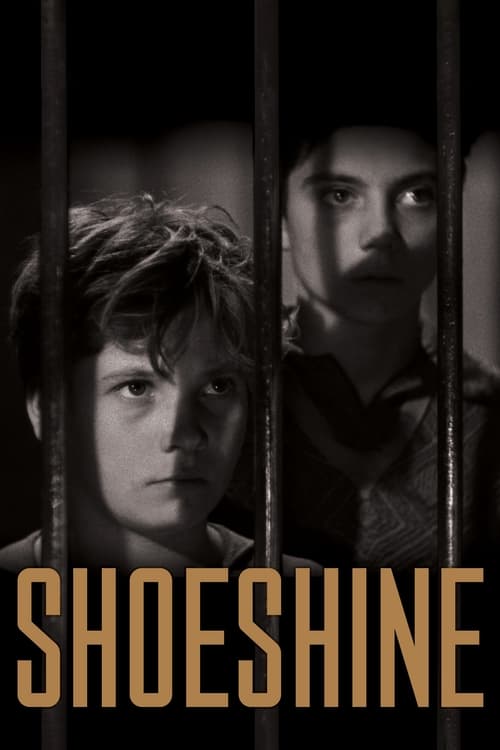
Shoeshine
1946
No user ratings available yet
Representation score: 4.8 out of 10
Representation Score
Good
1943
NRDirector
Vittorio De Sica
Runtime
84 minutes
Average Rating
No ratings yetNew Showbiz Analysis
Vittorio De Sica’s early work bridges traditional storytelling with the critical approach of Italian Neorealism. By focusing on the breakdown of the family unit, the film challenges the era's idealized domestic themes. It replaces the idea of a stable home with an exploration of emotional and social instability. Though the film lacks modern markers of racial or LGBTQ+ diversity, it excels in its psychological depth. Using a child's perspective, it exposes the failures of adult social structures. This approach offers a nuanced view of how systemic issues affect individuals. Ultimately, the film's strength lies in its willingness to question traditional institutions. It presents a raw, human-focused look at the consequences of adult mistakes.
Category Breakdown
The film doesn't show non-binary or same-sex relationships explicitly. It focuses on the breakdown of traditional families rather than identity issues.
The story challenges traditional gender roles by highlighting the emotional work within homes. It shifts attention from male providers to the psychological dynamics of the household.
Reflecting 1940s Italy, the film shows a homogeneous population. It avoids racial stereotypes but doesn’t have the diverse range seen in more recent films.
The film offers a critique of Western institutions by showing the family as a place of disintegration. It emphasizes personal truth over idealized social or religious morals.
There is no specific depiction of physical or neurodivergent conditions. However, the film effectively highlights the psychological struggles of the characters as a central theme.
Present on Screen
Limited or Absent
Official Synopsis
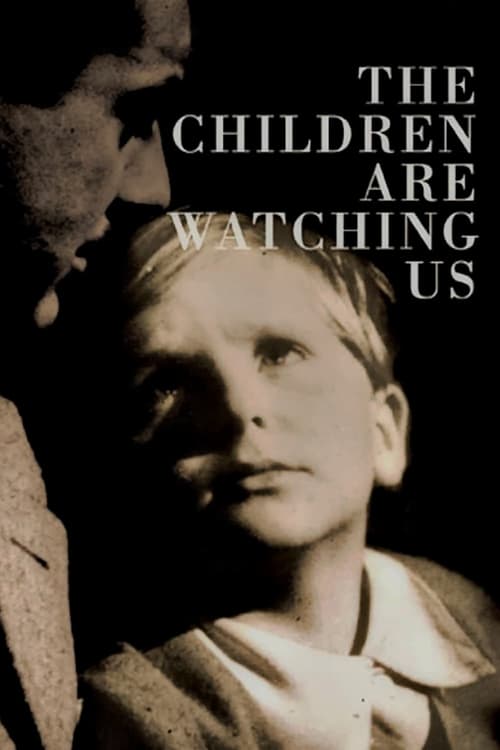
In his first collaboration with renowned screenwriter and longtime partner Cesare Zavattini, Vittorio De Sica examines the cataclysmic consequences of adult folly on an innocent child. Heralding the pair’s subsequent work on some of the masterpieces of Italian neorealism, The Children Are Watching Us is a vivid, deeply humane portrait of a family’s disintegration.
1946

1948

1954
1945
1952

1962

1960
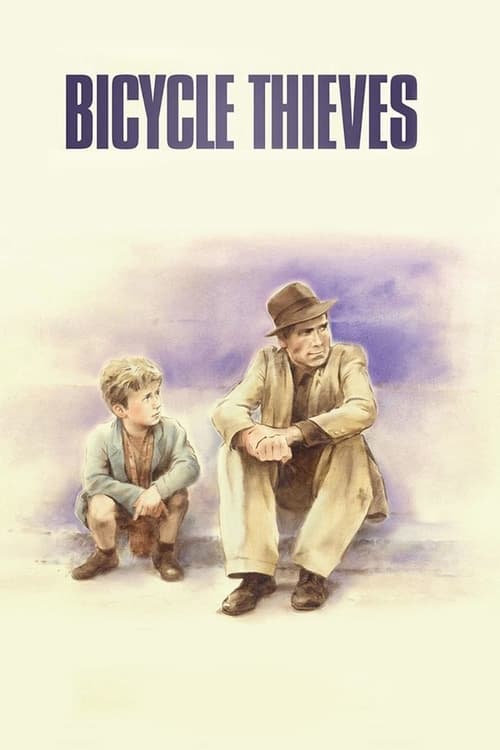
1948
No reviews yet. Be the first to share your thoughts on this movie!
Use the rating form above to leave a star rating and optional review.