The Real End of the Great War
1957
No user ratings available yet
Representation score: 7.4 out of 10
Representation Score
Good
1970
Director
Andrzej Wajda
Runtime
109 minutes
Average Rating
No ratings yetNew Showbiz Analysis
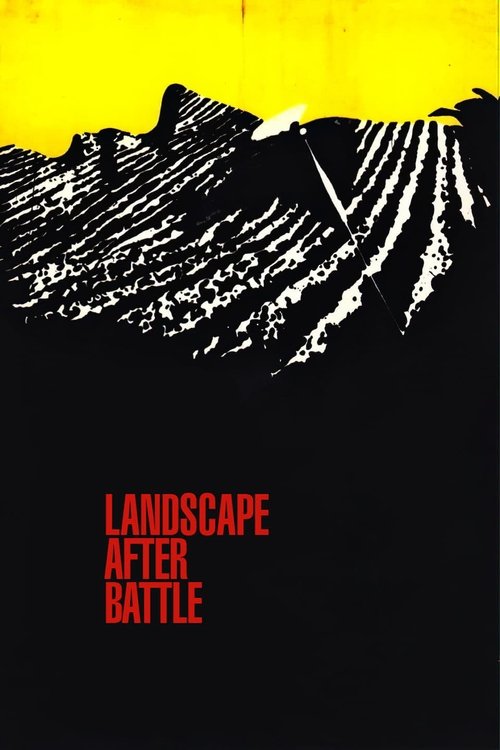
Landscape After Battle avoids the sanitized, heroic clichés of traditional war cinema, offering a gritty, unromanticized look at the chaos following liberation. It focuses on the psychological fragmentation of survivors. The film's strength lies in its critique of institutional authority and traditional patriotic narratives. However, it lacks explicit representation of non-traditional gender identities and specific disability narratives.
Category Breakdown
The film focuses on the aftermath of concentration camp liberation, showing physical and psychological trauma but does not include non-traditional gender identities or same-sex relationships.
The story revolves around a male poet dealing with masculine aggression, while the female lead demands a future in the West, showing ability to act despite the male-centric conflict.
A Jewish female character explores ethnic identity and shared trauma, offering a nuanced perspective on survival and displacement.
The film deconstructs traditional institutions and avoids glorifying patriotism, portraying a morally relative world where traditional morality fails due to systemic chaos.
The narrative examines collective mental health crises through pervasive psychological trauma, but characters are more symbolic of suffering than individuals with specific disabilities.
Present on Screen
Limited or Absent
Official Synopsis
Film opens with the mad rush of haphazard freedom as the concentration camps are liberated. Men are trying to grab food, change clothes, bury their tormentors they find alive. Then they are herded into other camps as the Allies try to devise policy to control the situation. A young poet who cannot quite find himself in this new situation, meets a headstrong Jewish young girl who wants him to run off with her, to the West. He cannot cope with her growing demands for affection, while still harboring the hatred for the Germans and disdain for his fellow men who quickly revert to petty enmities.
1957

1950
1964
1948

1946
1959

1969
1968
No reviews yet. Be the first to share your thoughts on this movie!
Use the rating form above to leave a star rating and optional review.