
Memories They Told Me
2013
No user ratings available yet
Diversity score: 6.5 out of 10
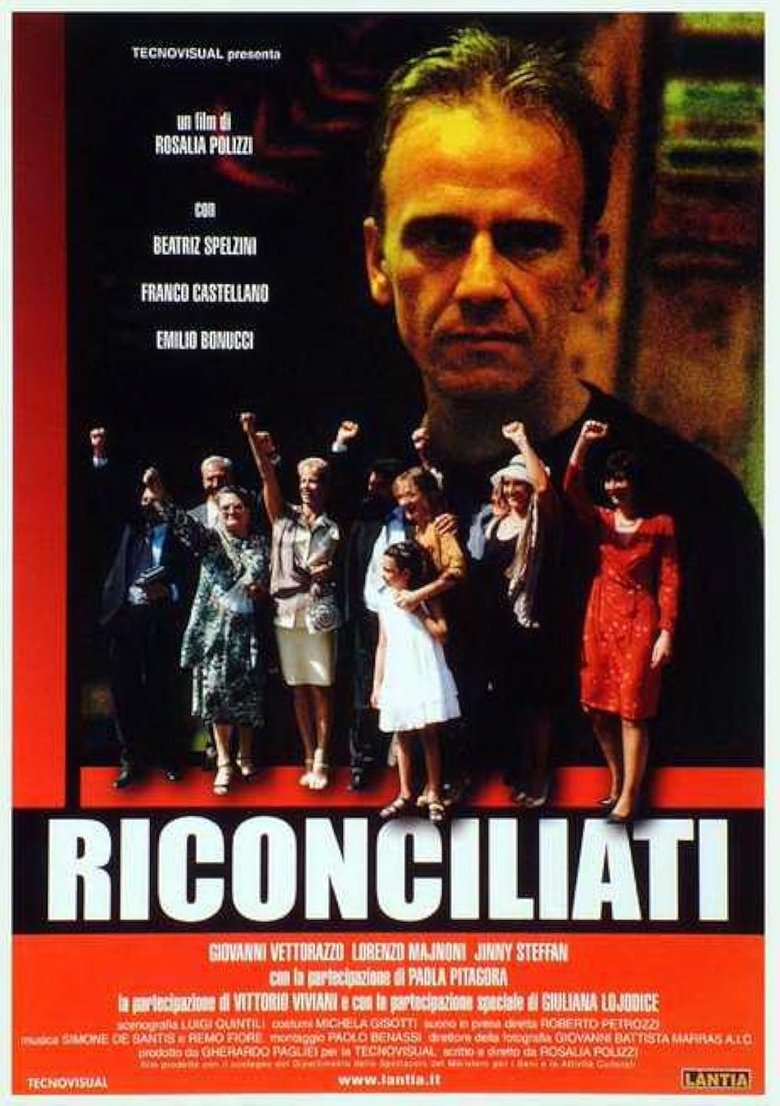
2002
13Director
Rosalia Polizzi
Runtime
90 minutes
Average Rating
No ratings yetSynopsis
Over a long weekend, a group of friends gathers together, a diverse representation of the last twenty-five years of the Italian left. Some of them haven't seen each other in a long time; the occasion is the release from prison of a former friend and comrade, accused of killing a judge in the 1980s. Roberto Ferro is on parole and wants to know which of his former comrades reported him. Among the friends, some have achieved privileged positions; others, like Nanni and Malena, have adapted to a more modest life and have retained, at least in part, the ideals of their youth. Malena, an Argentine exile who experienced torture at the hands of the military, had a love affair with Roberto and, before that, a strong bond with a disappeared comrade. Roberto's return reignites personal and political conflicts within the group.
Overall Score
Good
Category Breakdown
LGBTQ+ Representation
The film centers on traditional romantic and political bonds, specifically the history between Roberto and Malena. There is no evidence of non-cisnormative identities or explicit LGBTQ+ character arcs.
Gender Representation
Malena disrupts traditional hierarchies by serving as a catalyst for conflict. Her agency is defined by her survival of political torture rather than a submissive role.
Racial & Ethnic Diversity
The inclusion of Malena, an Argentine exile, provides a non-European perspective. This adds intersectional depth to the group dynamic by introducing an international identity.
Religious & Cultural Diversity
The narrative critiques state power and institutional stability through the lens of the Italian left. It prioritizes subjective morality over state-sanctioned justice.
Disability Representation
Trauma from state-sponsored torture is present through Malena's history. However, these elements serve as political markers rather than centered explorations of disability agency.
Strengths
Areas for Improvement
AI Analysis
Riconciliati offers a sophisticated look at the intersection of personal intimacy and sociopolitical history. It succeeds by integrating international political trauma into a localized Italian drama, moving beyond a purely homogeneous Western lens. The film's strength lies in its critique of state power and its ability to center characters marginalized by institutional violence. By focusing on the fallout of political conflict, it challenges conventional social hierarchies. However, the film remains somewhat limited by its reliance on traditional romantic structures. While it explores deep psychological trauma, it lacks specific representation of neurodivergent or visible disability-centric character arcs.
2013

1989

2004

2001

2018

2001

2021

2017

2020

1998

2021

2021
No reviews yet. Be the first to share your thoughts on this movie!
Use the rating form above to leave a star rating and optional review.