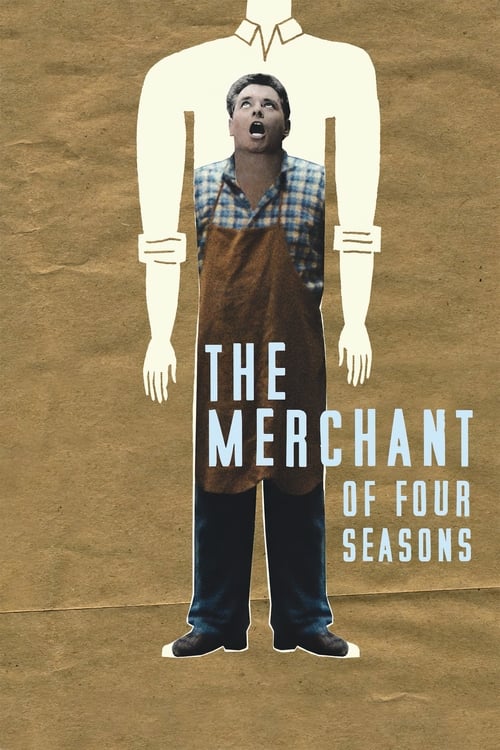
The Merchant of Four Seasons
1972
No user ratings available yet
Representation score: 6.2 out of 10

Representation Score
Good
1975
Director
Rainer Werner Fassbinder
Runtime
108 minutes
Average Rating
No ratings yetNew Showbiz Analysis
Fassbinder’s work excels at deconstructing social hierarchies and critiquing bourgeois morality. This film specifically uses a Marxist lens to examine how capitalist economic pressures dismantle human empathy and communal cohesion. While the film lacks diverse ethnic or LGBTQ+ representation, it achieves progressive impact through its rigorous examination of systemic oppression. It challenges traditional formulas by showing how society fails the individual. The narrative's strength lies in its refusal to validate the status quo, focusing instead on the psychological alienation of the protagonist within a fractured, indifferent society.
Category Breakdown
The film does not focus on LGBTQ+ identities. Instead, it centers on the domestic and communal struggles of a working-class matriarch.
Emma Küsters provides intellectual and moral leadership, challenging traditional hierarchies. The film highlights the exhaustion and marginalization of women within a working-class structure.
The cast is largely uniform, reflecting the socioeconomic realities of 1970s West German working-class life. It lacks diverse ethnic representation due to its specific historical context.
The narrative uses a Marxist lens to critique capitalist pressures, portraying communal morality as self-serving rather than inherently virtuous.
No characters are defined by visible or invisible disabilities. The film explores psychological alienation and social isolation within a callous system.
Present on Screen
Limited or Absent
Official Synopsis
Frau Emma Küsters prepares dinner late one seemingly-ordinary afternoon in her seemingly-ordinary Frankfurt kitchen. She wants to add canned sausages to the stew; her irritating daughter-in-law thinks otherwise. But the point is moot: Ernst Küsters has not only murdered the personnel director at the soap factory where he's employed but succeeded that by committing suicide.
1972

1963

1991

1979
1970

1977

1967

1969
No reviews yet. Be the first to share your thoughts on this movie!
Use the rating form above to leave a star rating and optional review.