
Class Relations
1984
No user ratings available yet
Diversity score: 5.1 out of 10

1999
Director
Jean-Marie Straub, Danièle Huillet
Runtime
66 minutes
Average Rating
No ratings yetSynopsis
A man returns to visit his native Sicily after living in New York for a long time. He learns about the Sicilian way of life from stylized conversations with an orange picker, his fellow train passengers, his mother, and a knife-sharpener.
Overall Score
Fair
Category Breakdown
LGBTQ+ Representation
The film contains no LGBTQ+ characters or narratives. It focuses exclusively on the material conditions and socio-economic realities of the Sicilian peasantry.
Gender Representation
Women are depicted through domestic and labor-based roles tied to the era's social structures. The film functions as a sociological study rather than a critique of gender hierarchies.
Racial & Ethnic Diversity
The work achieves ethnic authenticity by using local Sicilian actors and non-professionals. This context-aware casting centers the Mediterranean working class through a specific regional lens.
Religious & Cultural Diversity
The narrative provides a profound critique of Western power structures through class struggle. It prioritizes a materialist view of history over religious or nationalist sentiment.
Disability Representation
There is no discernible focus on visible or invisible disabilities. The film's preoccupation with labor and land precludes disability as a narrative device.
Strengths
Areas for Improvement
AI Analysis
Sicilia! is a rigorous, minimalist study of labor and geography. It succeeds by grounding its characters in the authentic, ethnically specific reality of the Sicilian working class, avoiding homogeneous casting in favor of regional truth. However, the film lacks engagement with identity-based narratives outside of class. It offers no representation for LGBTQ+ identities or specific explorations of disability, remaining strictly focused on materialist and socio-economic conditions. While the film avoids traditional heroic tropes, its depiction of gender remains tied to existing agrarian social structures. It observes these roles sociologically rather than actively subverting them through character agency.
1984

2001

2011

1994

1992

1985

2017

1949

1999
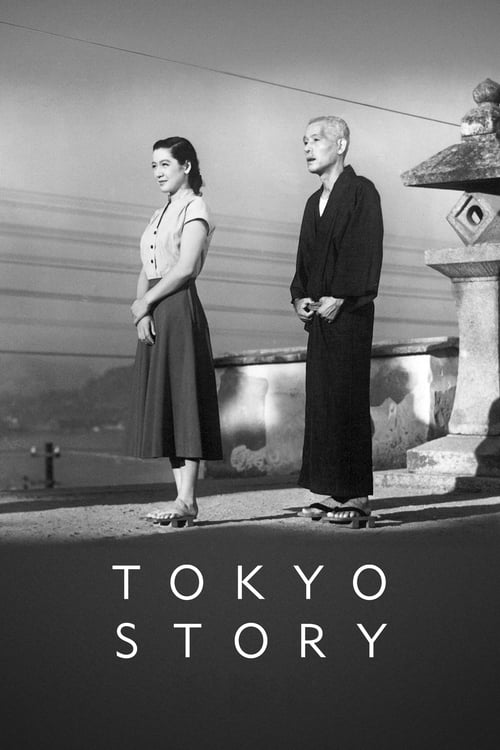
1953

1950

1977
No reviews yet. Be the first to share your thoughts on this movie!
Use the rating form above to leave a star rating and optional review.