
The Cure
1917
No user ratings available yet
Diversity score: 2.6 out of 10

1915
TV-GDirector
Charlie Chaplin
Runtime
26 minutes
Average Rating
No ratings yetSynopsis
The Little Fellow finds the girl of his dreams and work on a family farm. He helps defend the farm against criminals, and all seems well, until he discovers the girl of his dreams already has someone in her life. Unwilling to be a problem in their lives, he takes to the road, though he is seen skipping and swinging his cane as if happy to be back on the road where he knows he belongs.
Overall Score
Limited
Category Breakdown
LGBTQ+ Representation
The film lacks LGBTQ+ characters or non-cisnormative identities. Romantic elements focus on traditional courtship dynamics without critiquing heteronormativity.
Gender Representation
Female characters primarily serve as catalysts for the protagonist or objects of comedic interaction. The narrative lacks agency-driven subversion of gender hierarchies.
Racial & Ethnic Diversity
The cast is largely homogeneous, reflecting the era's production. There is no evidence of racial blending or ethnic intersectionality in the film.
Religious & Cultural Diversity
The story critiques Western socioeconomic structures by centering on economic hardship. It uses comedy to deconstruct rigid class systems and social etiquette.
Disability Representation
The protagonist's idiosyncratic gait and clumsiness function as comedic tropes. These traits are used for situational humor rather than exploring lived disability experiences.
Strengths
Areas for Improvement
AI Analysis
The film is a product of its era, focusing heavily on socioeconomic status rather than modern demographic diversity. While it lacks representation for LGBTQ+ and diverse racial identities, it offers a foundational critique of class hierarchies. The narrative prioritizes the dignity of the marginalized individual against rigid social structures. Chaplin uses slapstick to highlight the friction between the working class and institutional authority. Ultimately, the film's strength lies in its cultural commentary on economic pressure, even as it relies on period-typical gender roles and comedic tropes for physical movement.
1917
1918
1916
1921

1921
1928

1923

1917
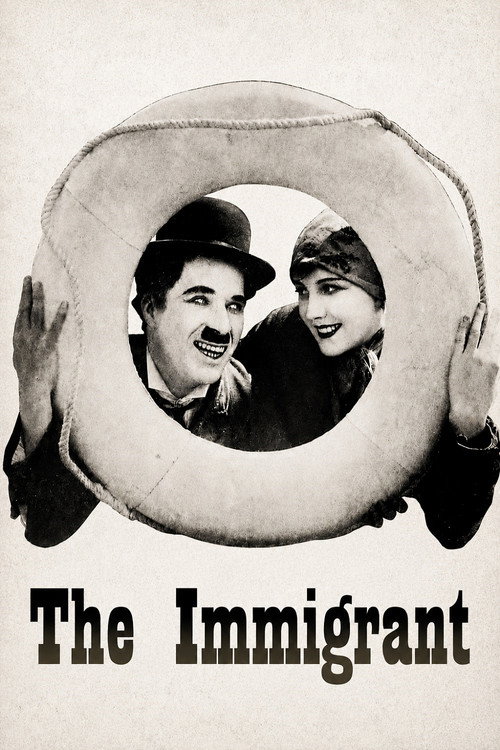
1917
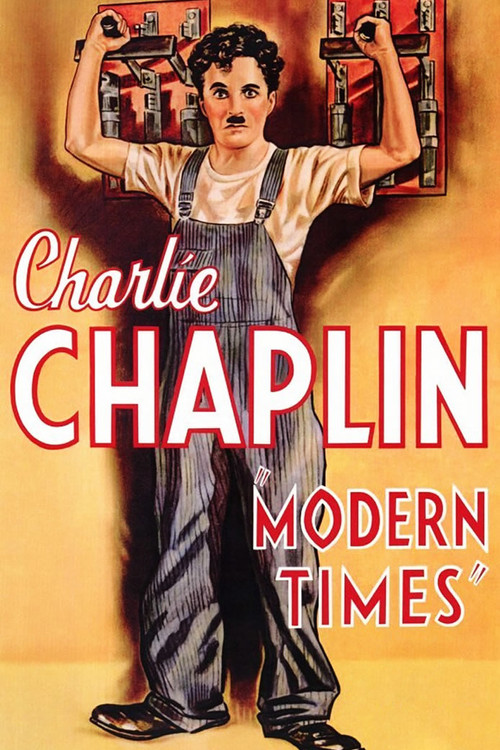
1936
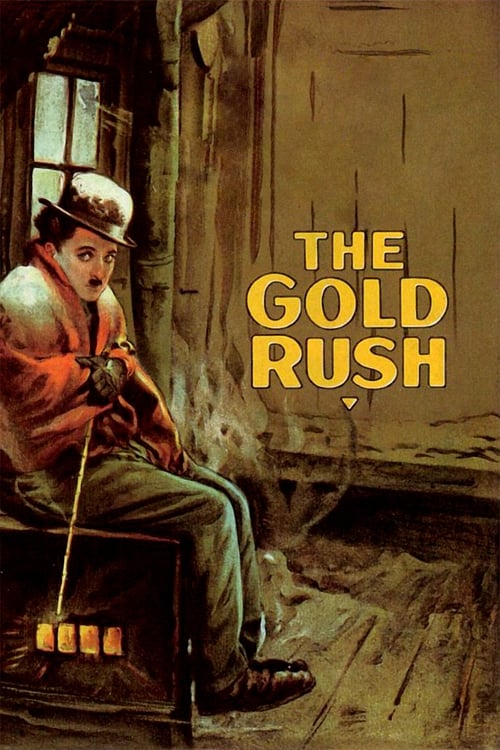
1925
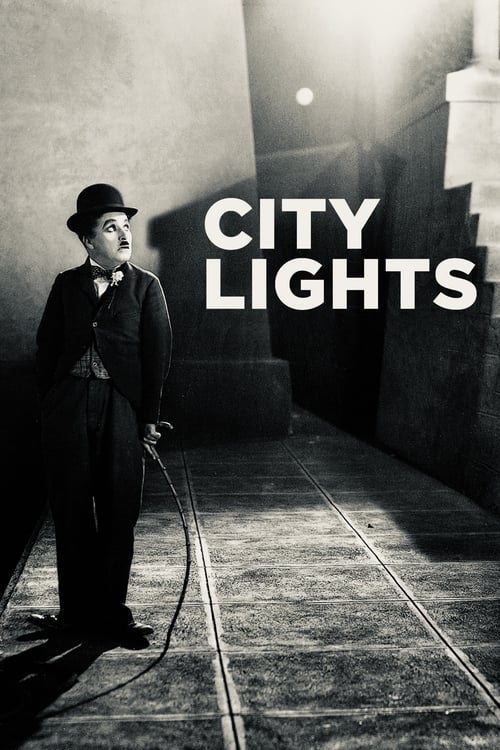
1931
No reviews yet. Be the first to share your thoughts on this movie!
Use the rating form above to leave a star rating and optional review.