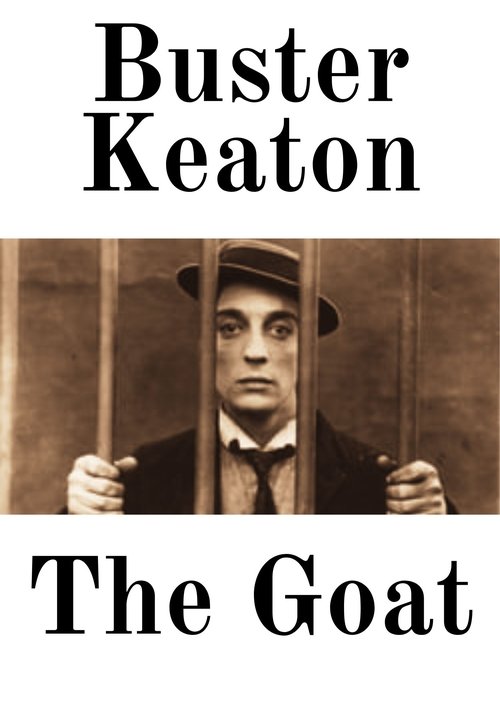
The Goat
1921
No user ratings available yet
Representation score: 0.9 out of 10

Representation Score
Minimal
1923
NRDirector
Charlie Chaplin
Runtime
47 minutes
Average Rating
No ratings yetNew Showbiz Analysis
The Pilgrim is a foundational silent comedy that navigates complex socioeconomic hierarchies using slapstick humor. While it adheres to the demographic constraints of the 1920s, it remains progressive by centering the perspective of the underrepresented. The film's primary strength lies in its critique of class-based power structures. However, it lacks diversity in terms of gender, race, and LGBTQ+ representation, maintaining a largely homogeneous social landscape.
Category Breakdown
The film does not depict any non-straight relationships or queer narratives. It focuses on traditional social structures and gendered interactions typical of the silent era.
Women play minor roles and are mostly part of the village setting rather than active drivers of the plot. The narrative emphasizes male-driven conflict and physical comedy.
Casting is consistent with the homogeneous demographics of early 20th-century Western cinema. The film presents a largely uniform social landscape with no evidence of intentional racial blending.
The film critiques established social institutions by presenting the underdog against pompous authority figures, challenging the perceived moral superiority of the upper class.
No specific characters with visible or invisible disabilities are central to the narrative arc. No instances of disability are used as a plot device or for mockery.
Present on Screen
Limited or Absent
Official Synopsis
The Tramp is an escaped convict who is mistaken as a pastor in a small town church.
1921

1925

1917
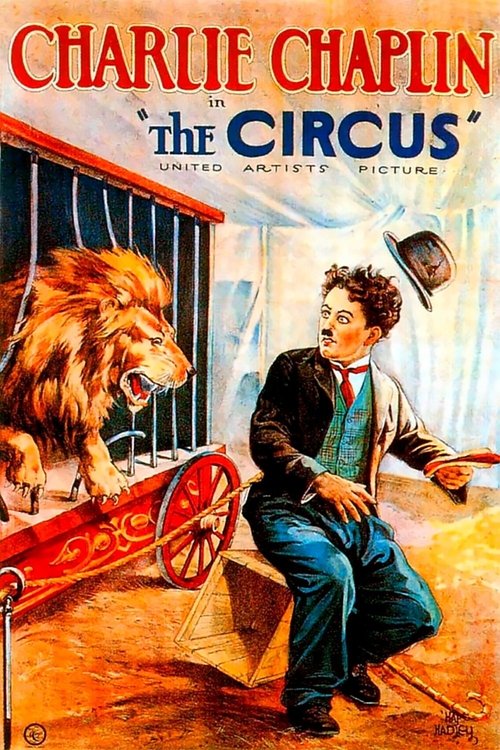
1928
1930
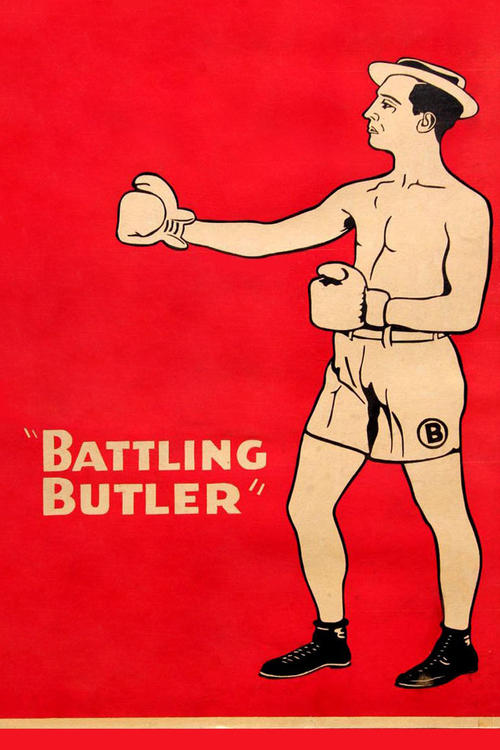
1926

1915
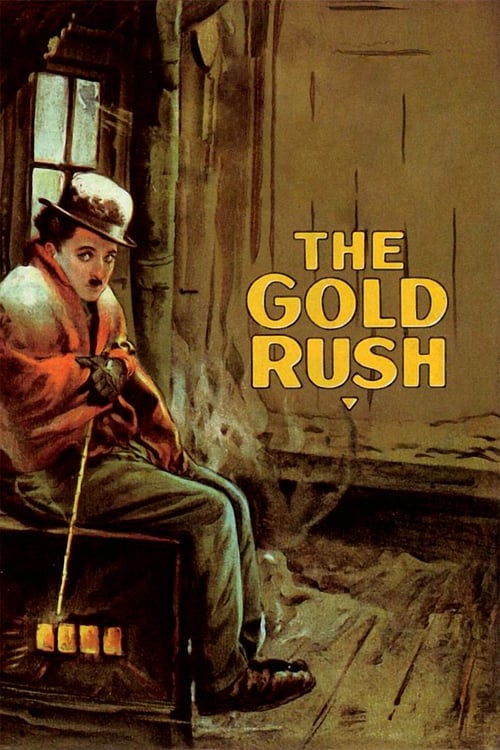
1925
No reviews yet. Be the first to share your thoughts on this movie!
Use the rating form above to leave a star rating and optional review.