
The Tramp
1915
No user ratings available yet
Diversity score: 3.5 out of 10
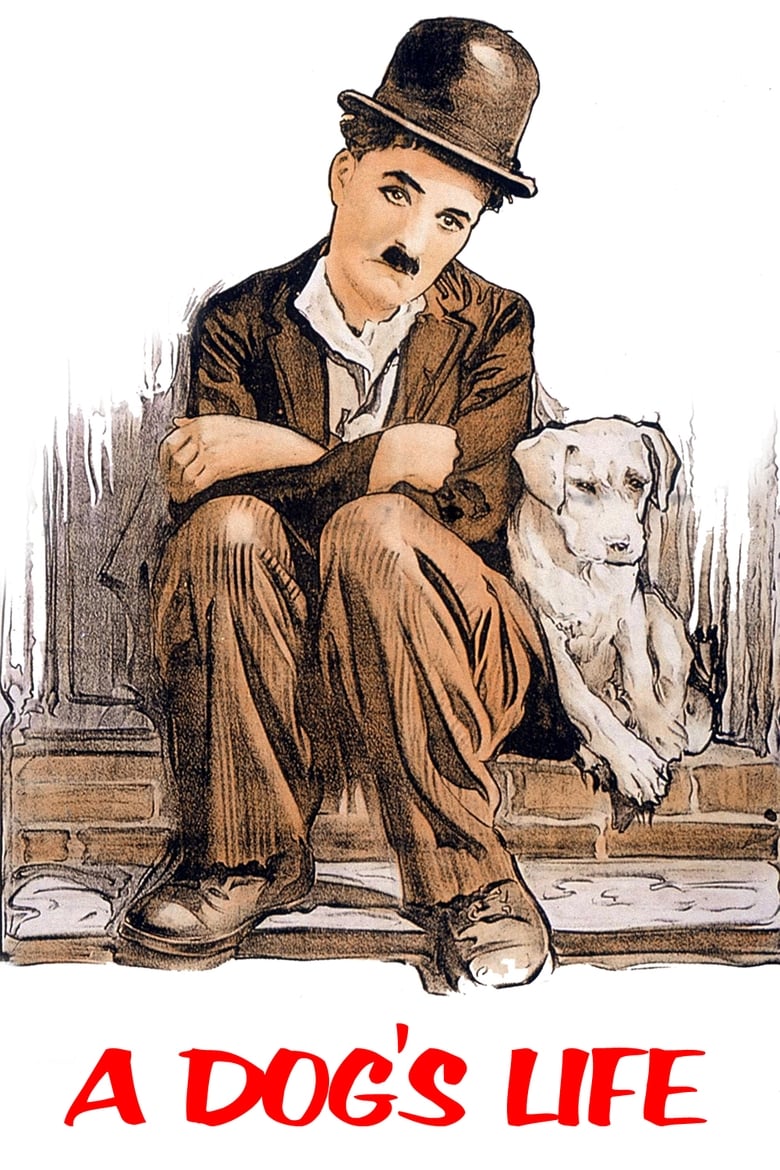
1918
NRDirector
Charlie Chaplin
Runtime
34 minutes
Average Rating
No ratings yetSynopsis
The Tramp and his dog companion struggle to survive in the inner city.
Overall Score
Limited
Category Breakdown
LGBTQ+ Representation
The film lacks any discernible LGBTQ+ characters or narratives. The romantic subplot focuses entirely on a traditional courtship between the Tramp and a female character.
Gender Representation
The story follows standard era-specific gendered archetypes. While the female flower girl shows agency in her commerce, the plot is primarily driven by the Tramp's pursuits.
Racial & Ethnic Diversity
The cast is largely homogeneous, reflecting the demographic constraints of 1918 urban depictions. There is no evidence of diverse ethnic identities within the primary narrative arc.
Religious & Cultural Diversity
The film offers a subtle critique of capitalist structures and property-based hierarchies. It highlights the precariousness of housing and the instability of economic institutions for the working class.
Disability Representation
No characters are portrayed with visible or invisible disabilities. The film focuses on the metaphorical vulnerability of poverty rather than character-driven disability or neurodivergence.
Strengths
Areas for Improvement
AI Analysis
A Dog's Life is a character study of the urban poor that finds its strength in socioeconomic commentary. Chaplin uses the Tramp's struggle to critique systemic inequities and the indifference of institutional hierarchies. However, the film is limited by the era's lack of intersectional casting. It lacks representation for LGBTQ+ identities, diverse ethnic groups, and specific disabilities, remaining largely homogeneous in its character composition. Ultimately, the film's diversity is found in its class-based perspective rather than identity-specific representation, focusing on the agency of the disenfranchised against a rigid social backdrop.
1915
1928
1936

1917
1925
1931

1916
1919

1919
No reviews yet. Be the first to share your thoughts on this movie!
Use the rating form above to leave a star rating and optional review.