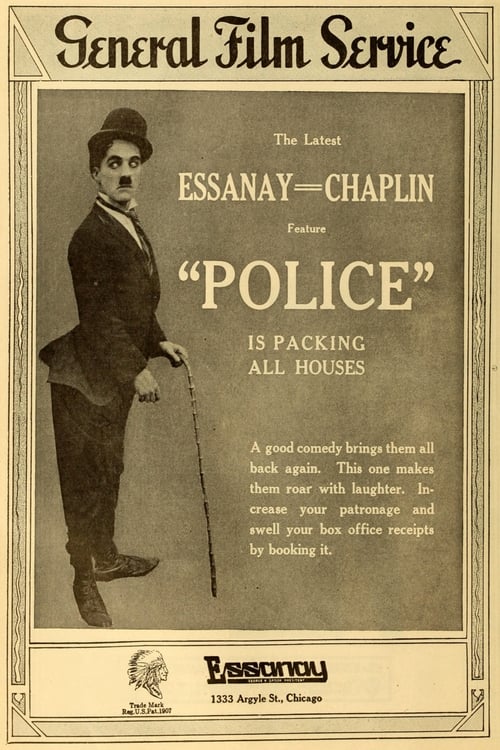
Police
1916
No user ratings available yet
Representation score: 0.9 out of 10

Representation Score
Minimal
1917
UnratedDirector
Charlie Chaplin
Runtime
26 minutes
Average Rating
No ratings yetNew Showbiz Analysis
Easy Street is a product of its time, emphasizing slapstick humor and social satire rather than contemporary issues of identity. While it lacks representation for LGBTQ+ and diverse ethnic identities, it excels in social commentary. The film centers on the protagonist's journey from poverty to a policing role, critiquing the performative nature of social respectability and the obstacles in urban settings. Ultimately, it serves as a study of class conflict rather than a diverse ensemble piece, reflecting the narrow social scope of early 20th-century cinema.
Category Breakdown
The film focuses on a typical heterosexual relationship where the protagonist is attracted to a church pianist, creating a conventional romantic storyline.
Female characters play minor roles, mainly serving as catalysts for the protagonist's social advancement. The plot emphasizes traditional masculinity through the protagonist's efforts to act like a gentleman.
The setting depicts a uniform urban area without much diversity. The story highlights socioeconomic differences without delving into racial or ethnic backgrounds.
The film provides a detailed look at the tension between systemic poverty and the strict expectations of social respectability within institutions. It critiques the rigid class structures and the performance of social respectability.
The film does not include any representations of physical or neurodivergent disabilities. Such traits do not play a central role in the plot or character development.
Present on Screen
Limited or Absent
Official Synopsis
A derelict, huddled under the steps of a missionary church, feels enlightened by the sermon of a passionate preacher and infatuated by the beauty of the congregation's pianist, in such a way that he tries to improve his life of poverty by becoming a policeman. His first assignment will be to patrol along Easy Street, the turf of a vicious bully and his criminal gang.
1916

1923

1915
1924
1918
1928

1917

1928
No reviews yet. Be the first to share your thoughts on this movie!
Use the rating form above to leave a star rating and optional review.