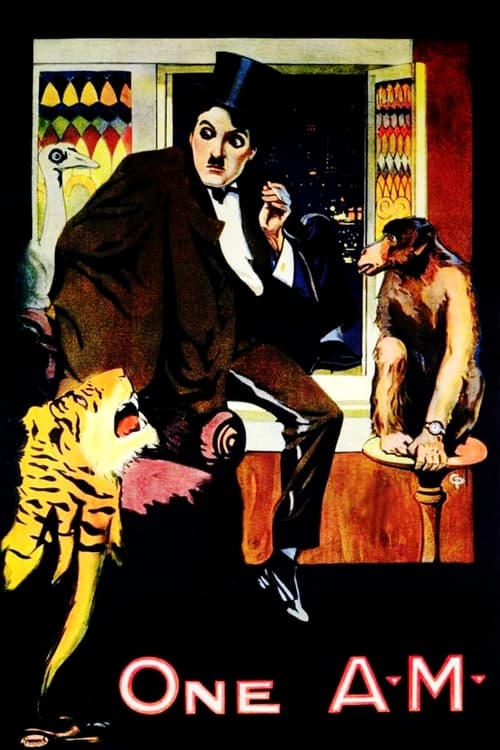
One A.M.
1916
No user ratings available yet
Representation score: 0.4 out of 10

Representation Score
Limited
1917
UnratedDirector
Charlie Chaplin
Runtime
26 minutes
Average Rating
No ratings yetNew Showbiz Analysis
Charlie Chaplin's *The Cure* is a classic silent comedy that emphasizes physical humor over identity-focused narratives. The film's energy comes from the disruption of a controlled environment by a socially unconventional protagonist, but this disruption is centered on individual eccentricity. The work reflects the era's limitations, featuring a homogeneous cast and a heavy reliance on male-centric humor. While the protagonist's struggle with substance use provides the central conflict, it is used for comedic effect rather than to delve into the complexities of addiction or disability. Ultimately, the film serves as a character study of individual dysfunction within a social context. It lacks the multi-layered representation or systemic critique needed to go beyond the conventional comedic archetypes of the early 20th century.
Category Breakdown
The film does not include any LGBTQ+ characters or explore non-straight identities. The story revolves around the protagonist's battle with substance abuse and his interactions within the spa.
The comedy focuses almost entirely on male-driven physical humor. While not overtly sexist, the film lacks strong female characters who play significant roles in driving the story.
The cast appears predominantly white, reflecting typical casting practices of the early silent film era. There is no indication of diverse casting or non-white majority ensembles.
The film offers a light-hearted critique of institutional order by disrupting the stability of a health spa. However, it does not provide a sustained critique of capitalist or religious systems.
Alcoholism drives the plot, but it is portrayed through slapstick humor rather than a nuanced exploration of chronic illness. The condition is used to create chaos rather than to highlight character's ability to drive the story.
Present on Screen
Limited or Absent
Official Synopsis
An alcoholic checks into a health spa and his antics promptly throw the establishment into chaos.
1916

1923
1921

1928
1914
1925

1915
1932
No reviews yet. Be the first to share your thoughts on this movie!
Use the rating form above to leave a star rating and optional review.