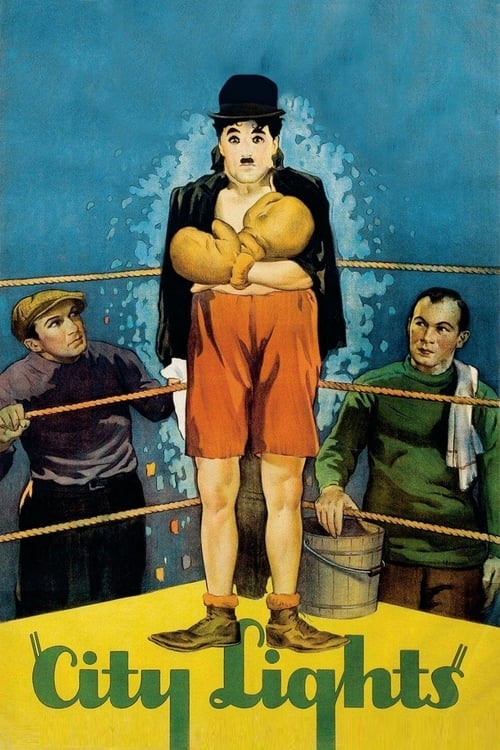
City Lights
1931
No user ratings available yet
Representation score: 5.3 out of 10
Representation Score
Limited
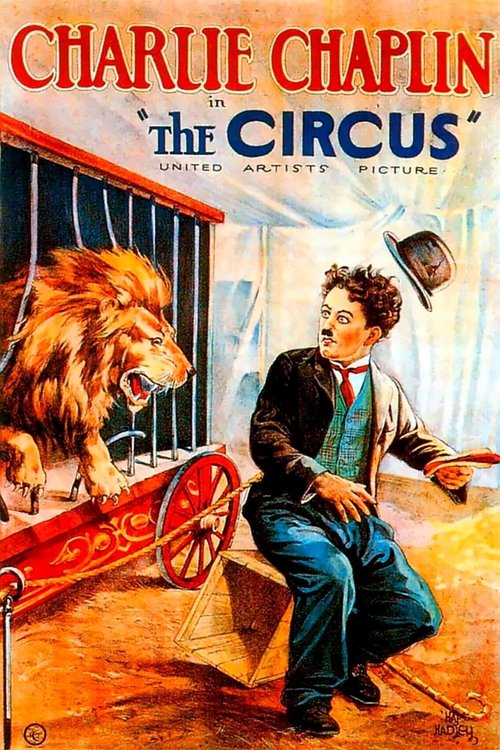
1928
GDirector
Charlie Chaplin
Runtime
72 minutes
Average Rating
No ratings yetNew Showbiz Analysis
The Circus is a period-specific character study that centers on the main character's experiences within a structured social environment. While it doesn't have modern multi-layered complexity, it finds depth in its portrayal of class struggles and the dignity of working-class individuals. The film aligns with the social norms of the silent era, focusing on traditional romantic pursuits and physical comedy. It serves primarily as a comedy of manners and economic uncertainty rather than a vehicle for identity-driven narratives. Ultimately, the work reflects its time, prioritizing situational irony and the human condition over a strong push for diverse representation.
Category Breakdown
The film doesn't include any LGBTQ+ characters or non-straight relationships. The love story follows a typical romance between the main character and the circus owner's stepdaughter.
The female lead is a skilled circus performer, but the story focuses mainly on the male protagonist's journey. It follows common romantic comedy formulas without challenging traditional gender roles.
The casting mostly sticks to traditional period stereotypes rather than diverse ethnic backgrounds. Race isn't used as a key element in the plot.
The film provides a detailed look at class struggles and economic hardships. It highlights the perspective of the working class over the circus hierarchy without emphasizing religious themes.
Physical accidents are used for slapstick humor rather than exploring disability seriously. The film doesn't give characters with disabilities much beyond what's needed for comedic purposes.
Present on Screen
Limited or Absent
Official Synopsis
Charlie, a wandering tramp, becomes a circus handyman - soon the star of the show - and falls in love with the circus owner's stepdaughter.
1931
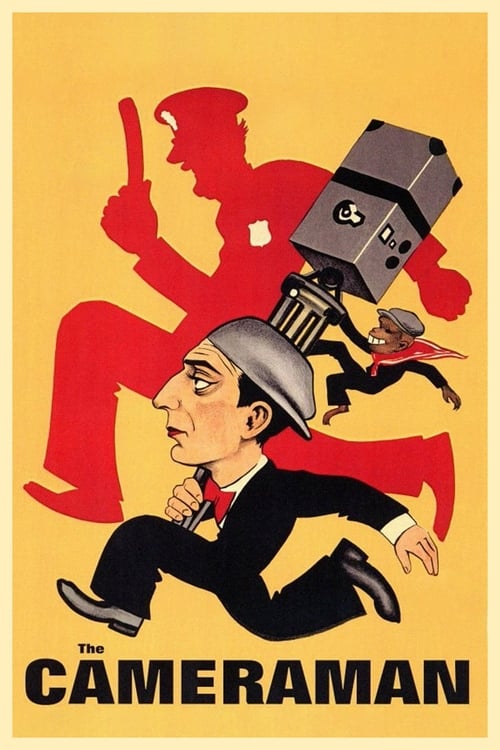
1928

1928
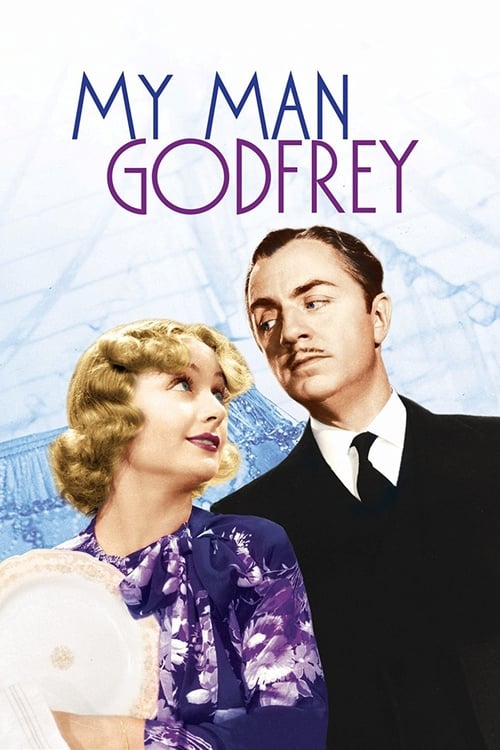
1936

1917
1939

1915

1924
No reviews yet. Be the first to share your thoughts on this movie!
Use the rating form above to leave a star rating and optional review.